
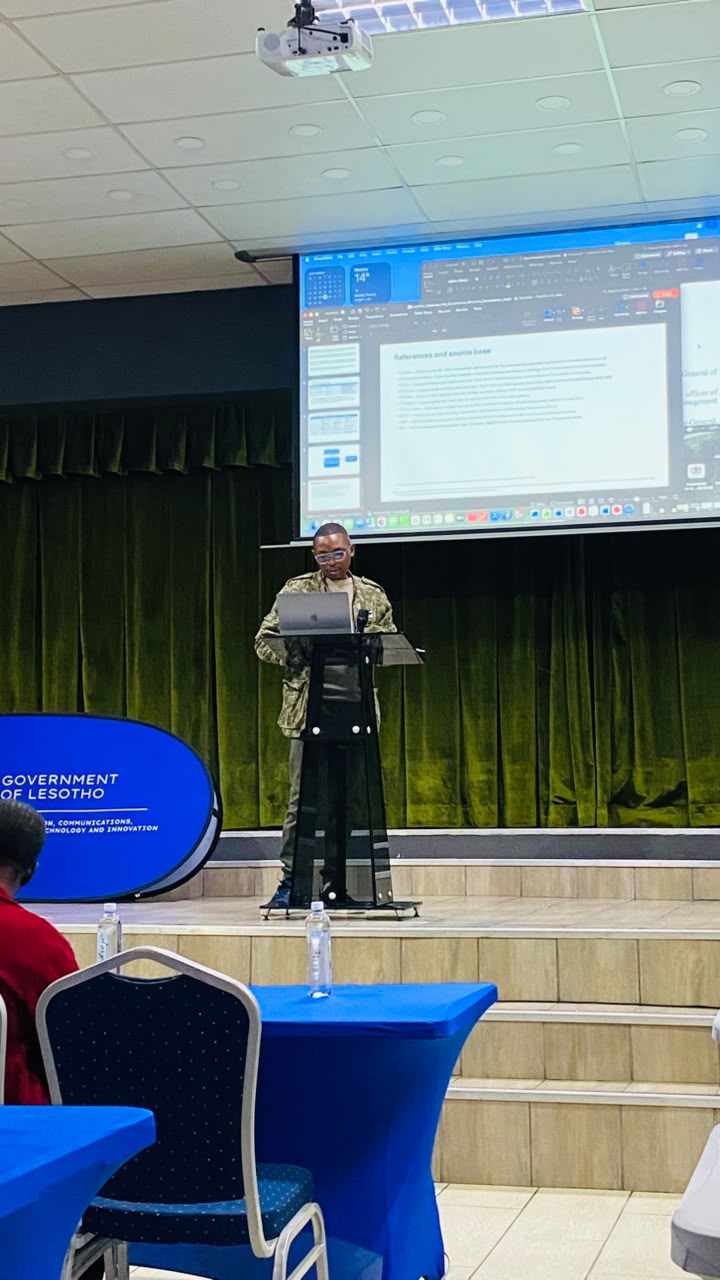
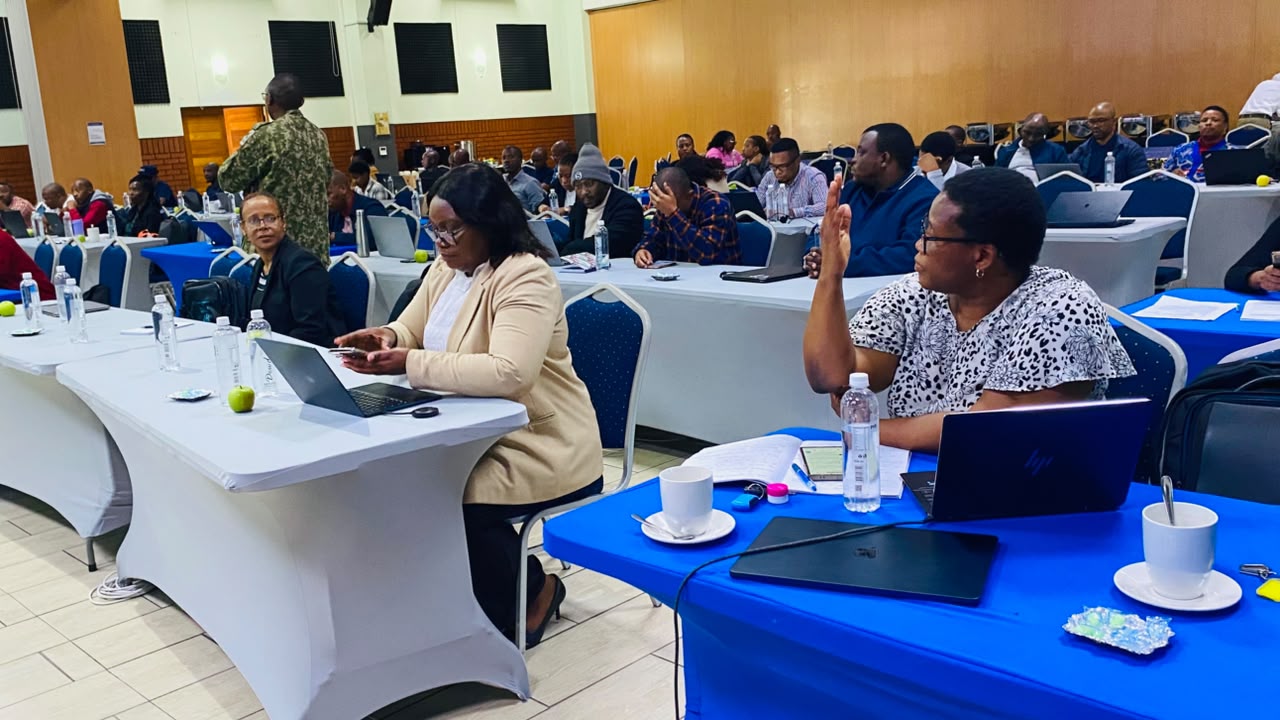
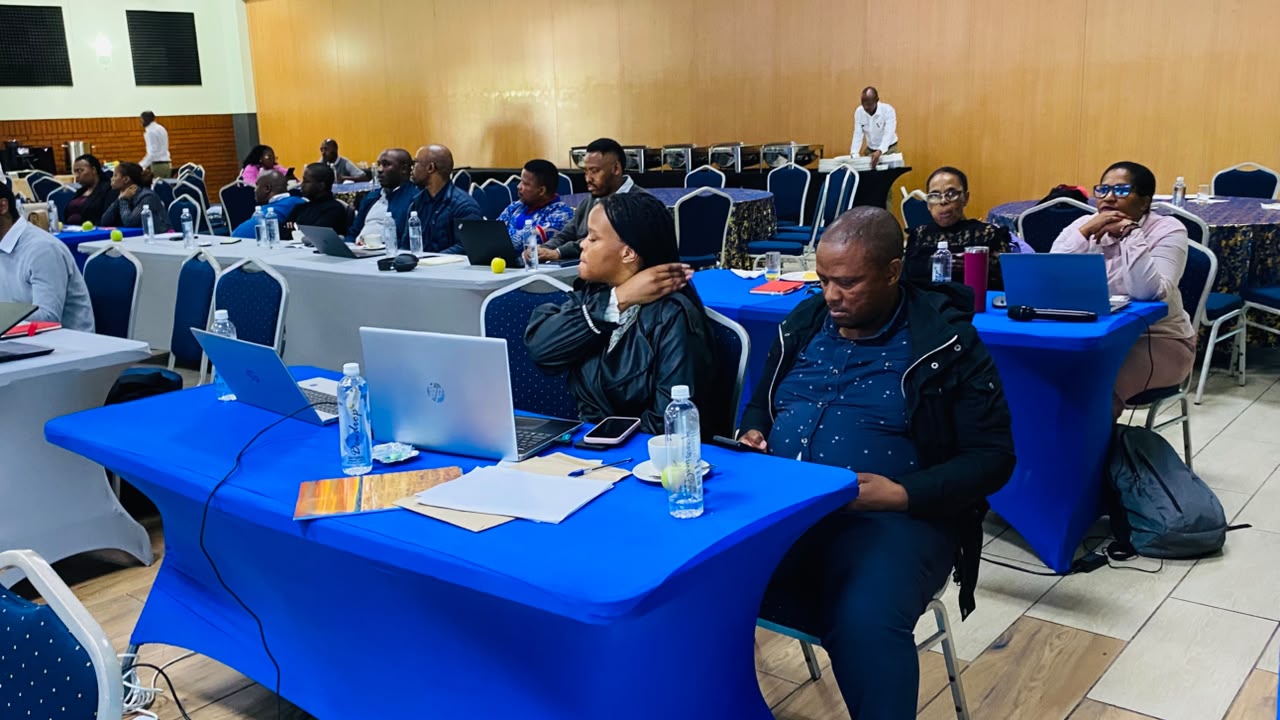
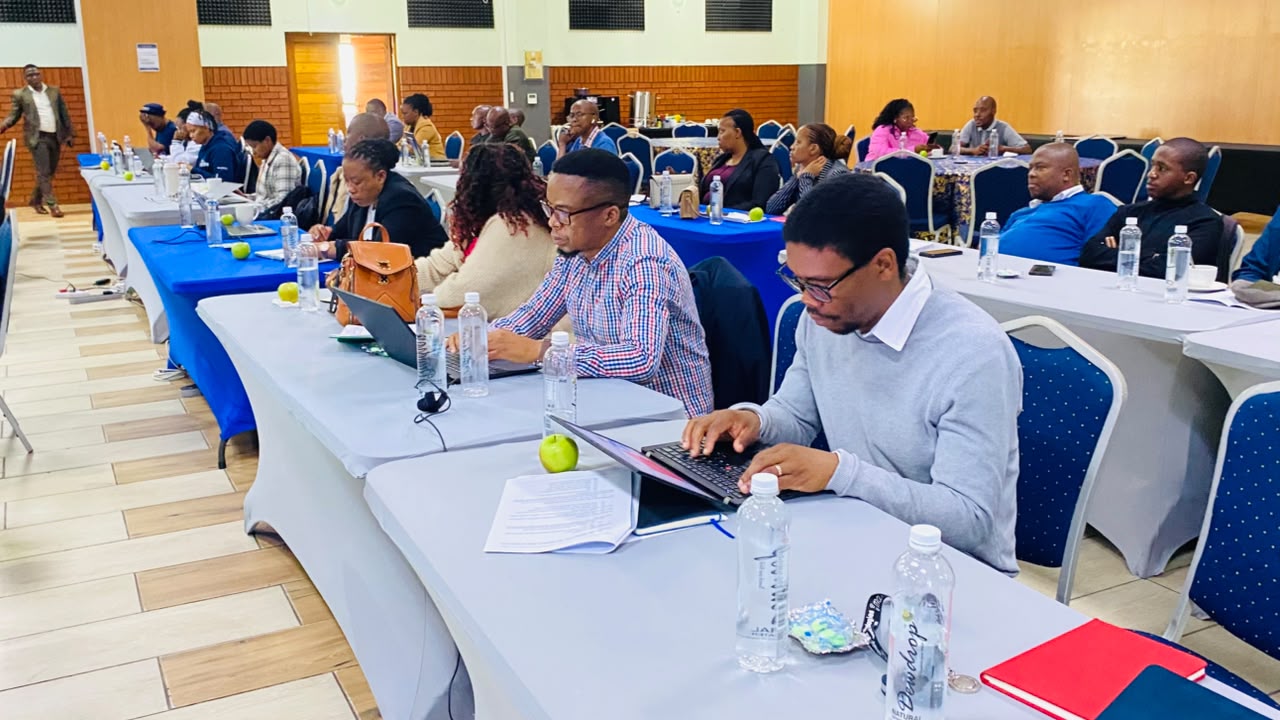
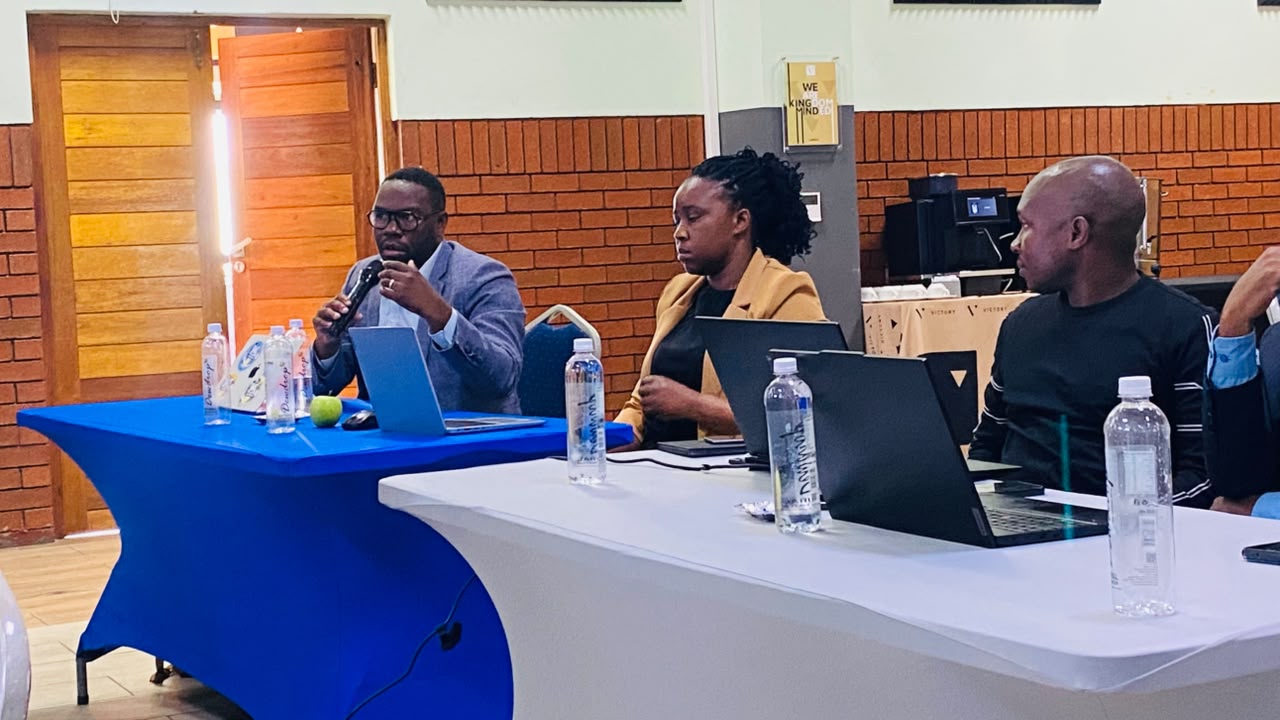
Maseru, Sept. 24 — Stakeholders have called for a forward-looking and adaptable legal framework to govern cybersecurity in Lesotho as a two-day consultation on the proposed Cybersecurity Bill 2026 concluded at Victory Hall in Maseru today.
The consultation was organised by the Ministry of Information, Communications, Science, Technology and Innovation (MICSTI), in collaboration with the Lesotho Communications Authority (LCA) and the United Nations Development Programme (UNDP), to scrutinise the proposed legislation, gather recommendations and identify areas requiring further strengthening before the Bill advances through the legislative process.
The consultation, which started yesterday, follows Cabinet’s decision to separate the 2024 Cybersecurity Bill into two pieces of legislation — the Cybercrime Bill 2026 and the Cybersecurity Bill 2026.
The separation is intended to allow the two frameworks to address their respective regulatory objectives in a more focused manner and establish a clearer legal framework for addressing cybersecurity threats and cyber offences as Lesotho’s digital environment continues to evolve.
During the consultation, Mr. Tieho Letšoara emphasised the importance of bringing together diverse expertise in the country’s cybersecurity governance structures.
He said effective cybersecurity management requires expertise in areas including cybersecurity and information technology, defence and national security, intelligence, research, innovation and education, as well as finance, risk management, public policy and governance.
Mr. Letšoara also highlighted the need for effective cooperation between the Computer Security Incident Response Team (CSIRT) and the National Cybersecurity Agency, particularly in strengthening national response and coordination mechanisms when dealing with cybersecurity incidents.
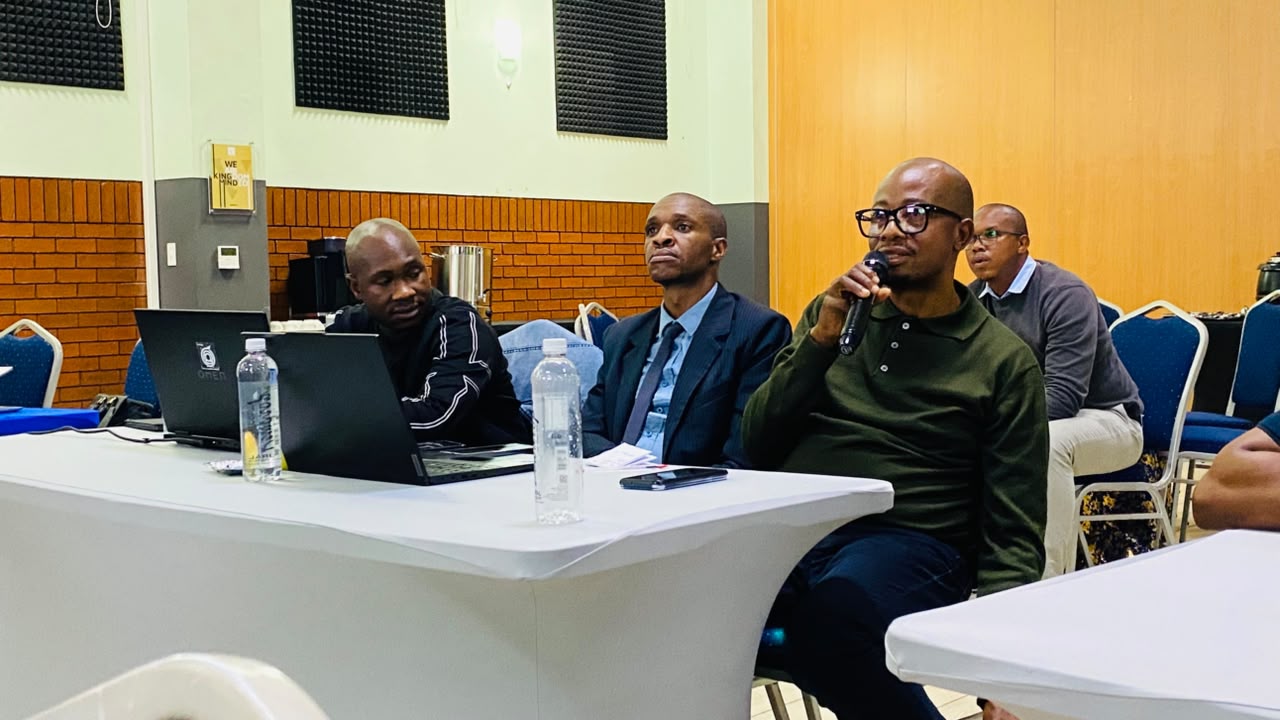
The consultation also raised concerns about the sustainability of penalties proposed for cyber-related offences, with stakeholders calling for a mechanism that would allow penalties to remain relevant as economic conditions change.
Ms. Nthabiseng Pule cautioned that fixed monetary penalties could gradually lose their value due to inflation.
She noted that Lesotho had historically faced challenges in updating penalties contained in legislation, resulting in some laws retaining fines established many years ago.
Chief Parliamentary Counsel, Adv. Dr. David Serabele, said Lesotho currently does not have a policy governing penalty fees.
He cited Ghana’s use of penalty units as one approach that allows monetary penalties to be adjusted without requiring legislation to be amended each time the value of a fine changes.
He also pointed to jurisdictions where legislation provides for annual adjustments to penalties, including increases of 10 percent, as mechanisms that can help keep fines aligned with prevailing economic conditions.
Under the proposed Cybersecurity Bill 2026, a person who contravenes Section 47(1) would, upon conviction, be liable to a fine not exceeding M10,000, imprisonment for a period not exceeding two years, or both.
Contravention of Sections 47(2) and 47(3) would attract a fine not exceeding M50,000, imprisonment for a period not exceeding two years, or both.
The discussions also highlighted the rapidly changing nature of cybersecurity legislation globally, with stakeholders noting that some countries are already implementing their third or fourth generations of cybersecurity laws.
This was cited as an indication of the need for Lesotho’s legal framework to remain capable of responding to emerging technologies and new forms of cybercrime.
The consultation therefore emphasised the need for legislation that is not only responsive to existing cyber threats but can also adapt as technology, digital services and cyber offences evolve.
Following the consultation, the ministry is expected to submit the draft legislation to the Office of Parliamentary Counsel for further updates.
Stakeholders will continue to have an opportunity to submit recommendations and proposed amendments before the Bill proceeds to Parliament.
Participants were encouraged to remain engaged throughout the legislative process to ensure that the final framework reflects the country’s cybersecurity needs while providing an adaptable basis for responding to future digital threats.
Ends
