
Botha-Bothe, Oct. 27 — The Department of Environmental Health in Botha-Bothe is concerned about pollution and potential health risks posed by medical waste that has been piling up at hospitals and clinics across the district.
In an interview with the Agency , the department’s Waste Manager, Mrs Mathebane Mpholeng, said some clinics were emitting foul smells because clinical waste had been stored on their premises for months.
She cited Thabo Strong Makenete Hospital, where medical waste has reportedly been accumulating in the incinerator since February because the facility has not been functioning.
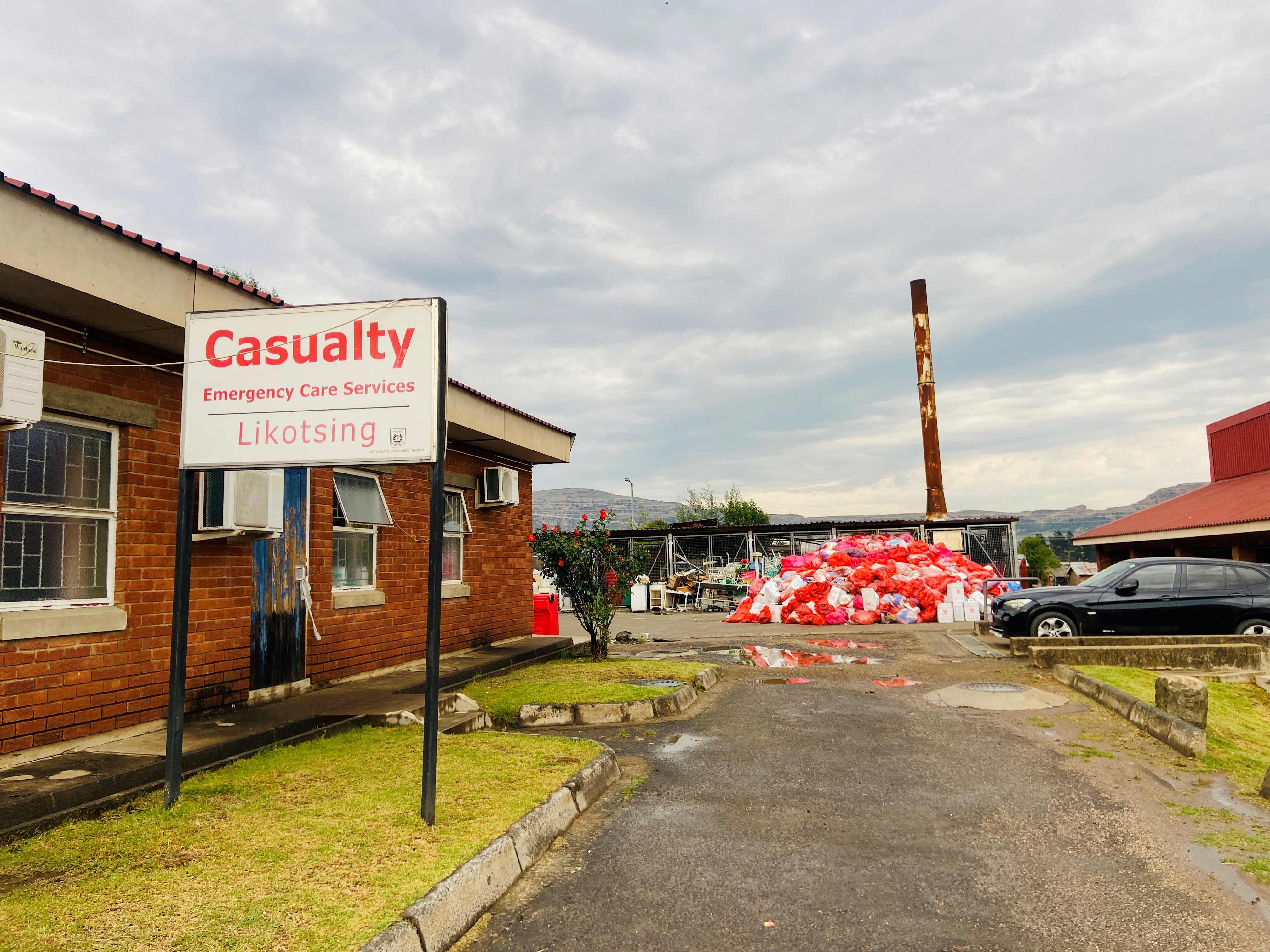
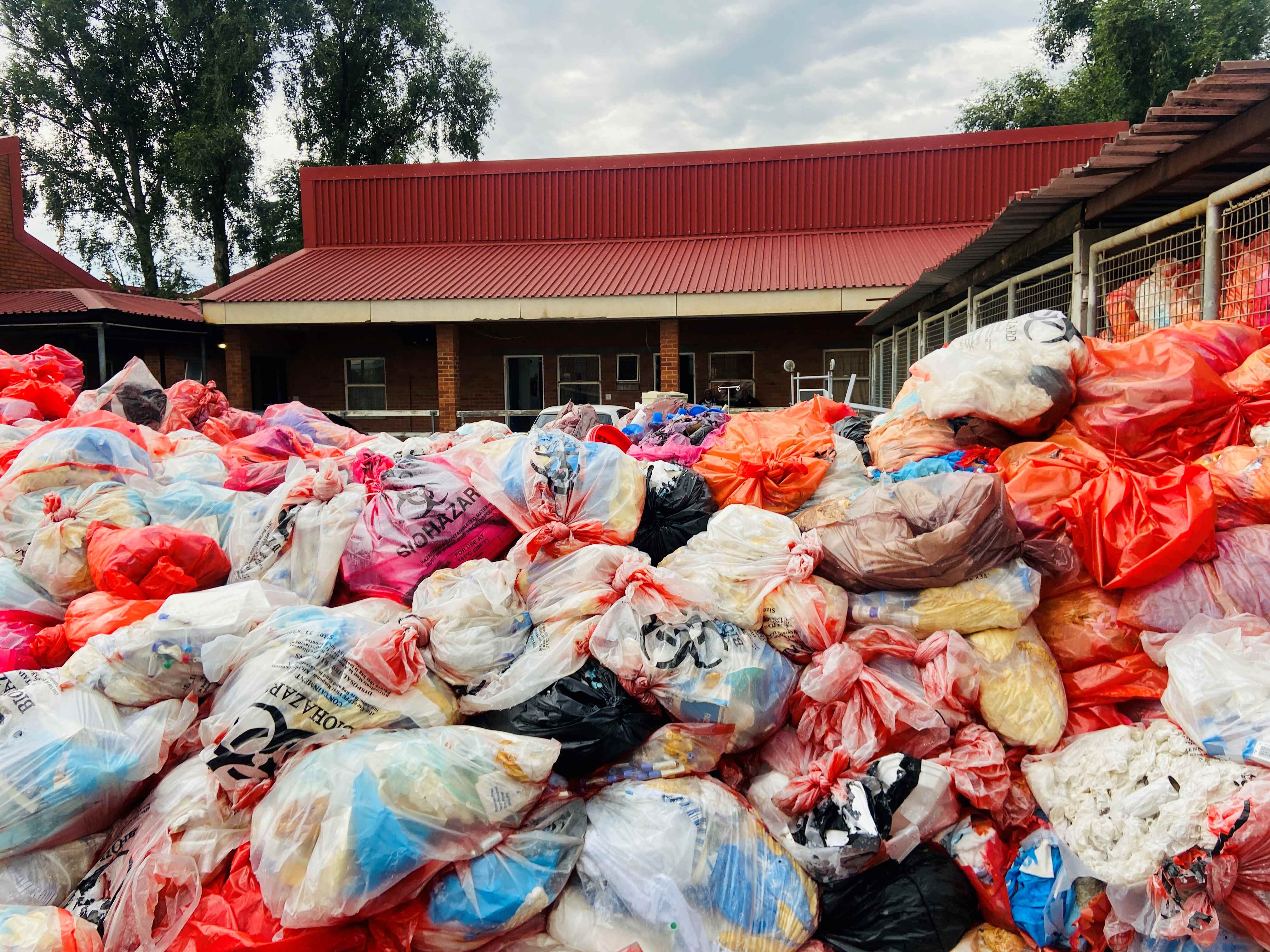
A visit by the agency to Makenete Hospital revealed piles of medical waste stored near the casualty room and the hospital kitchen. The waste, contained in red plastic bags and boxes containing used syringes, was visible from a distance, while a strong, unpleasant smell could be detected upon approaching the area.
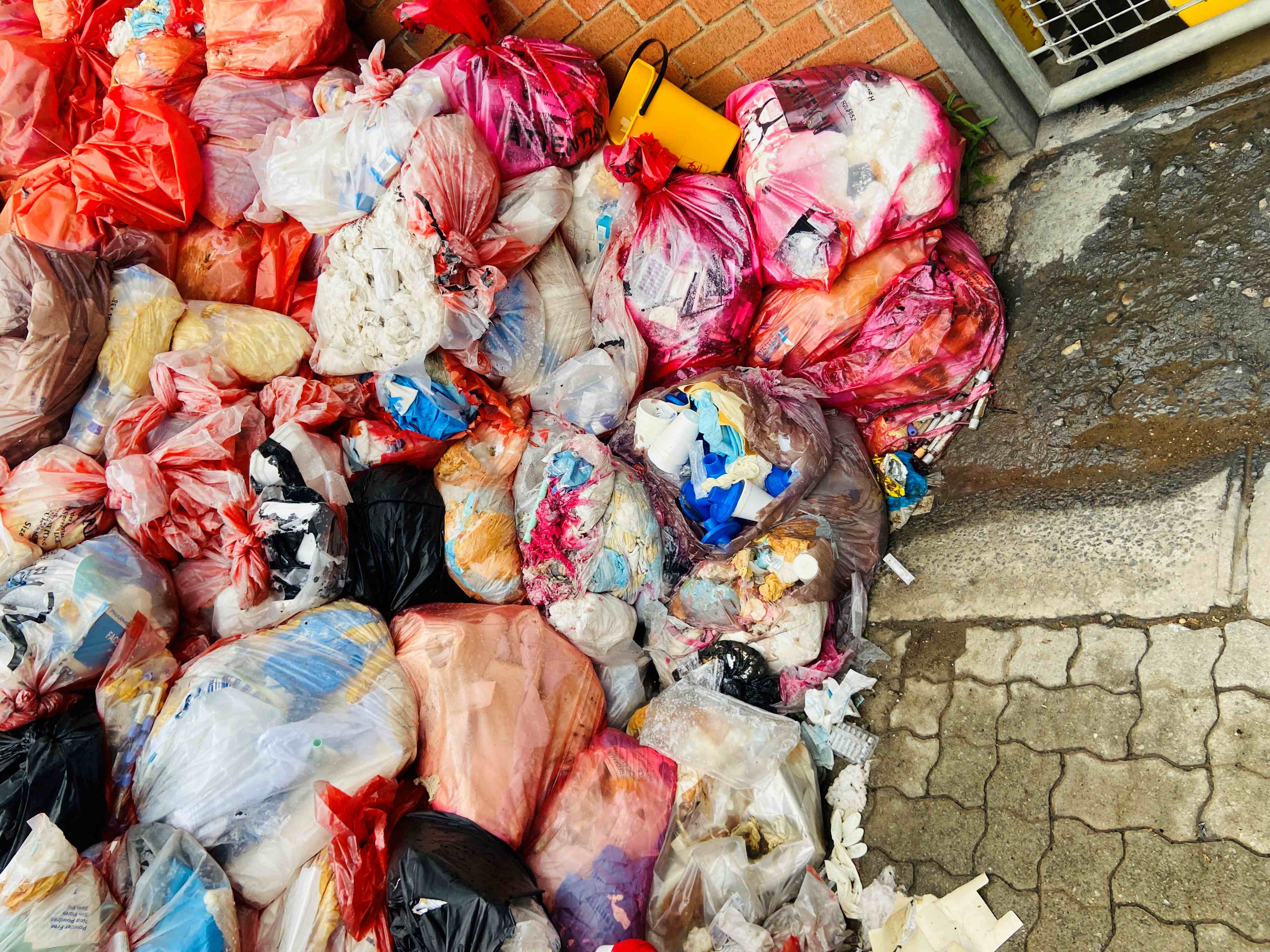
A closer inspection revealed that some plastic bags had torn, exposing their contents. Medical tubes and bloodstained waste were visible, leaving the materials exposed to different weather conditions.
“During rain, the waste gets soaked, and polluted liquid from it flows around the hospital. Here, we are talking about different diseases that nurses and doctors treat. What happens to people working around the hospital premises?
“What happens to patients who visit the hospital? In the end, we could have patients contracting diseases when they had come to the hospital either for check-ups or to see a doctor,” she said.
Mpholeng further said clinics across the district had been appealing for assistance to have the accumulated waste removed.
She explained that the situation was also complicated by the disposal of placentas from women who give birth at health facilities. These are normally stored in refrigerators pending disposal, but some clinics have non-functional refrigerators, while others have run out of storage space.
“This is to say that, in some clinics, placentas have not been refrigerated for months, and they are rotting in the clinics, causing a very bad smell. At Botha-Bothe Hospital, they called me to say that the refrigerators where they keep the placentas are filling up, which means they will soon have nowhere to place them.
“At this stage, clinics and hospitals are still continuing with their everyday work as if nothing has happened. Those who assist women to deliver babies continue doing so without knowing where they will place all the waste generated during the process,” she said.
Mpholeng said she had raised concerns with her supervisor before the situation deteriorated, warning of the potential consequences if the waste problem at health facilities across the district was not addressed.
She explained that she had sent an email outlining the anticipated challenges but did not receive a response for some time. However, she said she was aware that her supervisor had since liaised with the relevant authorities.
Despite these efforts, Mpholeng said there was still no clear response that she could provide to LENA regarding plans to remove and dispose of the accumulated waste.
She added that she had also been informed by the department’s headquarters that the Health Management Project Implementing Unit had been dissolved, leaving uncertainty over the arrangements that would follow.
The Department of Environmental Health remains concerned about the situation as Botha-Bothe continues to battle the spread of measles among children, raising further concerns about public health and the safety of patients and health workers.
Ends
