
Maseru, Feb. 16 — National University of Lesotho (NUL) Master of Science in Sustainable Energy graduate, Mr. Kanono Thabane has turned one of Lesotho’s invasive plant into a valuable asset.
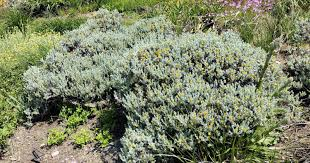
According to the NUL Innovation Hub, in the mountains of Lesotho, there are two types of shrubs called Sehalahala whose scientific names are Seriphium plumosum and Felicia filifolia, which might look like just another plant, while they are actually invaders.
“They spread across the land where cows and sheep like to graze, taking up all the space and water. Farmers are not big fans of them because they ruin the grazing land,” he said.
Then came Thabane’s idea of the super fuel recipe, to turn the invasive plant into charcoal briquettes. “What if we take these unwanted bushes and turn them into charcoal briquettes?” Thabane wondered.
NUL Innovation Hub has observed the fact that many families in rural areas need something to burn so they can stay warm and cook their food. Often, they use wood, dried cow dung, or old crop bits. But these can be smoky, they burn out fast, and they can make the air inside a house coughy and hard to breathe.
NUL Innovation Hub records that this was done through heating processes that began with the sunbath where he gathered the Sehalahala bushes and let them sit in the sun for five days. This was to get all the water out so that they can burn.
The next step was to slow cook. “ He took the dried sticks and put them in a big 200-liter steel drum. He heated them up in a special way called carbonization. This is like making toast but leaving it in so long it turns completely black and crunchy, but without letting it catch fire and turn to ash. This leaves behind charcoal powder.’’
After production of the Charcoal powder, to make it into a solid shape, Thabane needed binders and tried two different things, a mix made from wheat flour and a mix made from clay.
Then the Innovation hub says Thabane mixed the black powder with the glue and used a machine driven by a car jack to squish them into round, puck-shaped blocks. After making these pucks, Thabane had to test them to see if they were actually better than what people use now. He compared them to the charcoal sold at the grocery store.
Thabane’s finding are that these briquettes have a lot of heating value, they give off a lot of heat for a long time, using clay as the glue actually worked better and gave off more heat than the wheat flour, these briquettes don’t make as much smoke or yucky stuff in the air compared to burning raw wood or cow dung, and because they are squashed so tight, they burn much longer than a regular stick of wood.
Thabane’s win is said to be a double win as it helps the environment by getting rid of the invasive Sehalahala bushes that are bullying the other plants in the fields, while at the same time it gives people in Lesotho a way to make their own cheap, clean, and powerful fuel right at home.
Ends/MP/tl
