
When modernization is cited, the term is often accompanied by Western values- industrial revolutions, high rise offices and Silicon Valley but in the heart of Lesotho, a small mountain country in Southern Africa, Chinese modernization is a story of economic triumph or rapid urbanization. It is quiet revolution that is felt in halls of global diplomacy, in poor rural villages uplifted by development and in homes of ordinary people in the Global South. As far as I am concerned, Chinese modernization is not only China’s narrative but a shared template for transformation and increasing applicability for states of Lesotho.
The Western route to modernization almost invariably imposed change from a distance-through colonization, liberalization of markets and in a few instances, war Modernization in China occurred by its own initiative. It progressed by adaption, not by imitation, on the basis of country’s own beliefs, capabilities and dreams for the future. And this paradigm, summarized by the notion of “Chinese modernization wit socialist characteristics”, increasingly provides a plausible alternative for developing nations seeking to follow their own paths.
From Mountain Village to Global Vision
As someone from a highland country of Lesotho, I see raw parallels in China’s story of countryside renewal. The countryside of China was poor and underdeveloped just as was the bulk of highland communities in Lesotho until the reform window opened in 1978. China, through concentrated poverty eradication, infrastructure investment, and reform of agriculture, managed to revive its countryside, lifting over 800million people from poverty. It is only glance at places like Liangjiahe, where President Xi once resided and worked in order to see how well the Chinese government has understood rural misery and decided to change it.
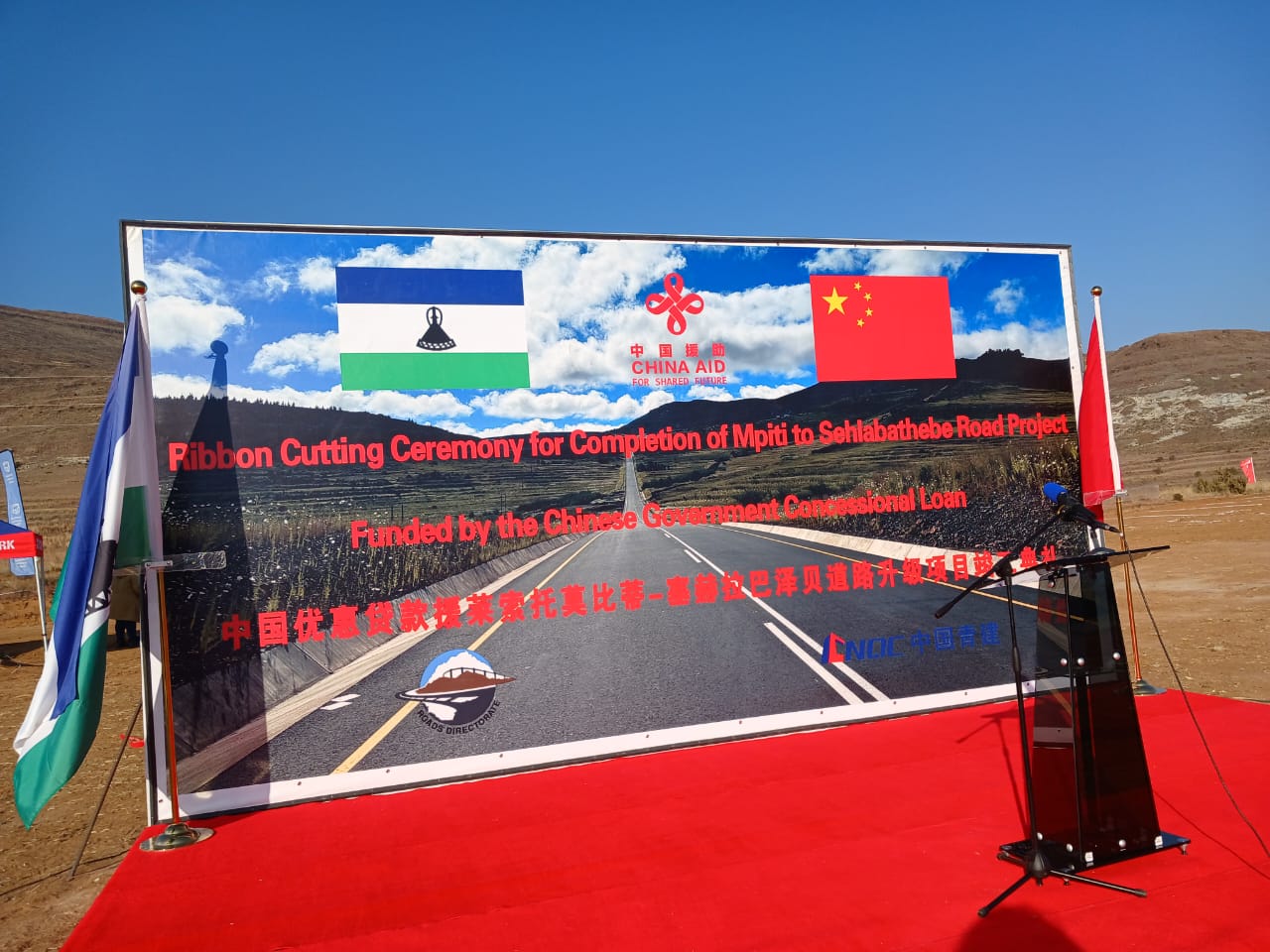
Lesotho is already enjoying dividends from this philosophy of development. Construction projects led by China-Aid-are not mere gifts. It is a vote for joint development. The modernization going on in our own tough environments by Chinese enterprise, with construction of roads, for instance, makes me recall that modernization is not megacities and satellites, but everyday life[1]changing progress in people’s daily life’s.
Economic Partnership Following Aid
One of the Chinese modernization’s stronger points is that it strengthens others by economic cooperation, not by dependence. The African nations for years were regarded as charity cases. China, however, regard African nations like Lesotho as partners. The relationship is founded on mutual respect, economic cooperation and investment.
Through FOCAC, Lesotho has gained access to development loans, training, medical teams, and technological knowhow. The Maseru textile factories, which were developed using Chinese capital and technology have given employment to thousands of Basotho, mostly women. This is modernization that respects our agency not a type that steals our resources without sharing opportunities.

For me, China’s modernization is proof that growing economies need not sacrifice sovereignty for growth. We too can modernise without forfeiting our cultural identities and control over our fate. China was not reshaped by external agencies- China reshaped itself. That is a lesson for Lesotho and for most countries in Africa.
Technology, Innovation and the Global South
No country in this modern era can be deemed fully modern without technology control. China used to be discredited as a manufacturer of only low-quality products but now it is a pioneer in 5G, artificial intelligence, quantum computing, as well as space science. The unprecedented rise in science and technology is a much a matter of nation’s pride as a pursuit for developing capabilities needed for defending sovereignty, improving living standards as well as solving native problems.
For Lesotho, whose education and technological infrastructure is still in nascent stages Chinese collaboration has already introduces new opportunities. With training, scholarships, and digital cooperation, Basotho youth are learning, creating systems and looking beyond. Digital connectivity has been introduced by Huawei and ZTE even in location once out of touch with the world. This transfer of expertise and technology is not accidental this is a pillar of China’s modernization template: cooperate on developing, or don’t cooperate on anything.
In China’s rise, I hear a voice: modernization is no longer a western preserve. Modernity’s tools information, knowledge, satellites are for all who would be willing to learn, adapt and cooperate. For small nations like Lesotho, this is not merely encouraging, it is a revolution.
Harmony with Nature: Shared Concern
As is China, Lesotho is blessed with natural beauty and environment heritage. As is China, it is vulnerable to climate change, water scarcity and environment degradation. What encourages me the most is that China has shifted its course of development in favour of ecological civilization.
From a large polluter, China is now a clean-technology leader. It is the planet’s largest producer of solar panels, wind turbines and electric vehicles. It is investing in reforestation, sustainable agriculture and carbon neutrality aims once viewed as luxuries by developing nations. But China has shown that preserving the environment is not a Western problem, it is a universal issue.

As we confront soil erosion in Lesotho’s highlands unpredictable rain history affecting our farmers, China’s ecological trajectory educates us that modernization is synonymous with sustainability. Chinese modernization, in my view, sets a new standard: true development incorporates the environment.
Cultural confidence and Global Respect
Modernization for all countries came at the cost of identity. Colonialism taught us that modernizing constituted abandoning indigenous civilization and absorbing foreign values. China’s experience, however, is a different story. Its path of modernization is as much as history of cultural renaissance on the basis of Confucian values, national heritage and civic pride.
From Confucius Institutes in African and global popularity of Chinese films, language and beliefs, China not only modernized materialistically but spiritually too. It is a lesson that deeply touches me personally. As Basotho, our people have a great cultural heritage too from our ancient songs and dance performances, our mode of ancestral government. Modernization is by not losing our identity but popularizing it.
China has shown us that culture is not an impediment but a support progress. Such modernization, therefore, which is dignifying and not effacing, is what Lesotho requires as a template.
Peaceful Development and a Multipolar World
While global fears intensify and major powers compete for leadership, China’s vision of modernization is a stabilizing alternative. It is based on peaceful progress, non-interference and mutual respect, values enshrined in the foreign policy. It makes a difference that I am from Lesotho. We live in a world where small nations are often treated as pawns in global high-stake policies but China’s relationship with us stood out. It does not dictate conditions for our politics or remake our cultures. It listens, invests and respects.

Through initiatives like the Belt and Road, China is stitching together a more inclusive world, one that strengthens the Global South. Chinese modernization, in my imagination is not just high[1]speed rail and vertical cities, it is rewriting the international order as more equitable, humane and multipolar.
Lesotho’s Road Network in the future
As I examine China’s experience, I do not see a template for blind imitation. I see a path for learning, adaptation and following in our own way. Lesotho requires modernization but not by losing its culture, environment or dignity. Chinese modernization males me think itis possible. We need to take a lesson from China’s long-term planning, state-led development, people investments and history orientation. We need investments in people, education, infrastructure, health care and innovation and more importantly, we need conviction in our hearts that a small country can rise not by becoming someone else but by being the best version of itself.
In my eyes
Chinese modernization, in my imagination, is not only beyond numbers and high-rise budlings. It is an idea, an idea that it is possible, inclusive, independent, environmental and non-violent. It is a history of people who recovered from humiliation and found pride from poor to wealthy and from imitation and learning from foreign countries to creation and innovation by themselves. It is beacon for all those who wish not to imitate but grow by our own efforts. Chinese modernization is not only a show to be seen by Lesotho and Global South but a debate to be had, partnership to be strengthened and a vision to be followed.
By Palesa Maharasoa
