
By Maseipone Mokhethi
MASERU – The incorporation of both formal learning and initiation schooling is instrumental for creating a holistic educational system that addresses the needs of all learners. This narrative strives for harmonisation of these types of education as well as to establish the role each plays in the lives of Basotho learners.
Initiation schools are seen as traditional institutions providing a structured environment for young people to learn about cultural identity roles and responsibilities, whereas formal schools inclusive of public schools and universities seek to provide wide-ranging and inclusive education preparing students for the challenges of adulthood as according to Global Partnership for Education.
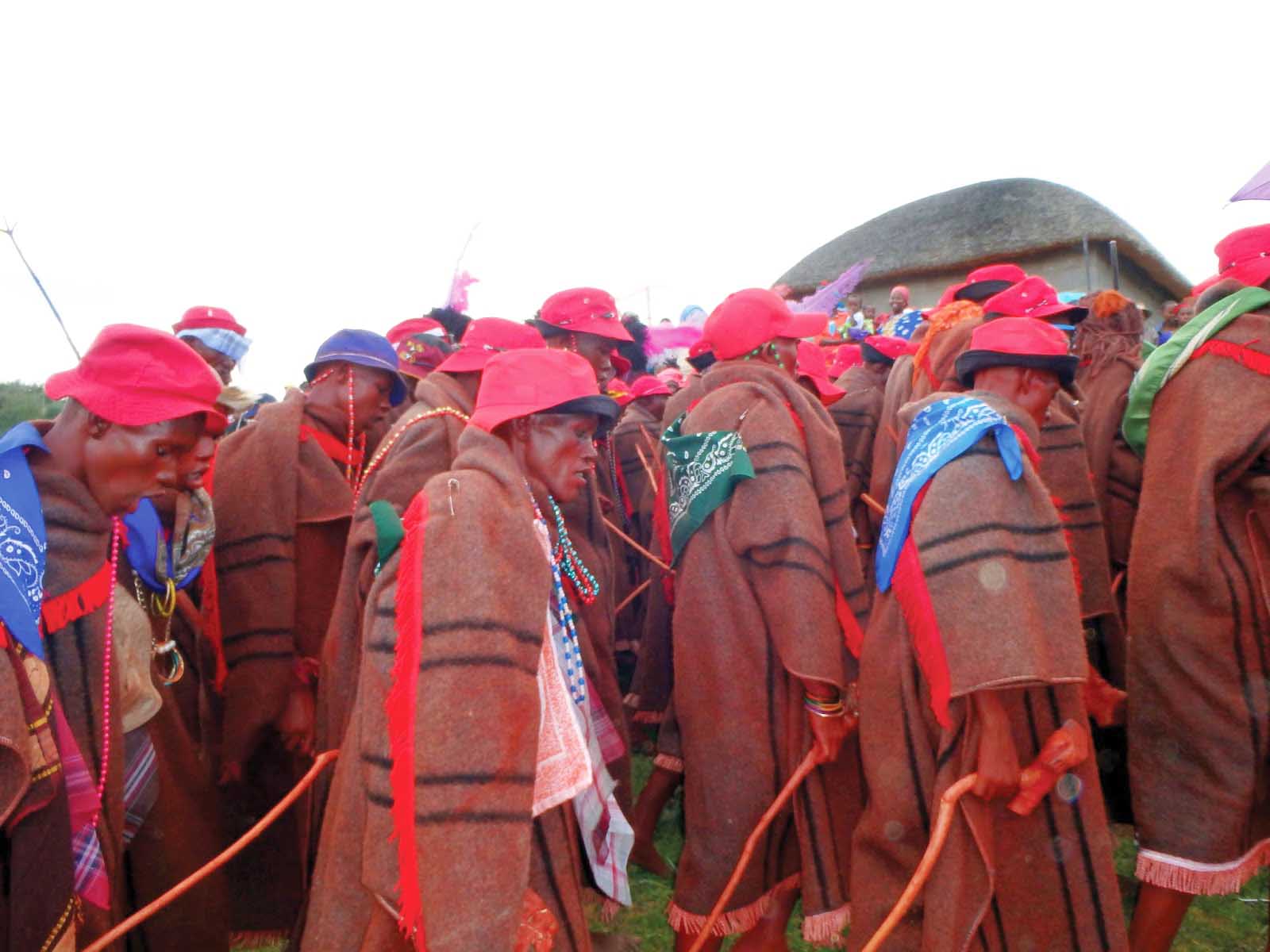
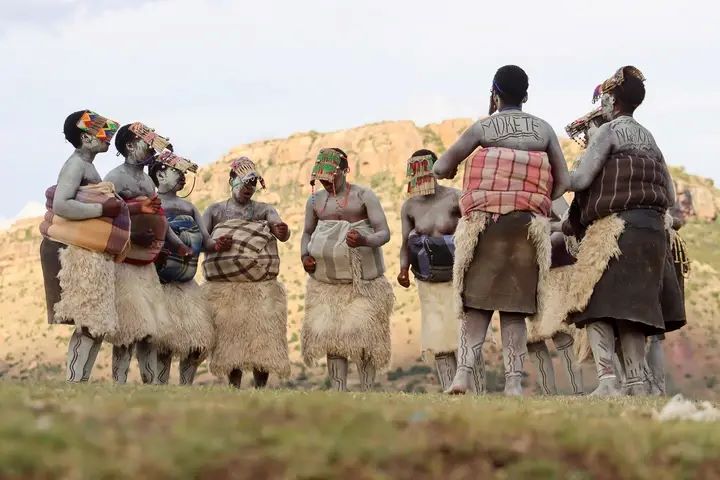
This with no exception to women initiation schools, just like their male counterparts, they are rooted in Basotho cultural and spiritual heritage. Initiation schools known as ‘lebollo’ serve as passageways into adulthood for both women and men.
Women’s initiation often includes storytelling, dances and songs to mention a few. What occurs in men and women’s initiation schools is regarded as a mystery, the Lesotho Tourism Development Corporation records have shown.
One of the teachers who has been in the industry for 35 years in Maseru, Mrs. ‘Mamohapi Thokoa indicates that while cultural norms, values and beliefs cannot be ignored, she has established that learners drop out in the middle of academic calendar to be initiated, thereby fit in.
She said some of these learners include those whose school fees are paid by sponsors or people of good will, who upon their coming back withdraw financial support.
Therefore, she said harmonisation of the pair requires collaboration from different stakeholders inclusive of the Ministry of Tourism, Education, Teachers, Parents and learners as well as Chiefs to mention but a few.
Over and above that, she highlights that schools have chosen the right path to help children grow up knowing their culture through annual cultural activities inclusive of Moshoeshoe’s day, where learners dress in their regalia.
However, she said such gestures have turned out to be platforms where initiated boys and girls ridicule non-initiated learners, who later are pressured to drop out at school (formal education known for moulding children to become job creators, professionals for the country’s economic growth and select initiation.
Initiation schools countrywide are in operation, led by people of different status including traditional healers.
In 2024-2025 alone, the agency took note of at least 37 initiation schools comprising males and females at different areas in the district of Quthing alone embracing Xhosa and Basotho as the district has different ethnic groups.

Normally the invitation initiation season starts in September and ends early January. This is to give the initiates time to undergo formal education as well.
In an interview with Mr. Boikokobetso Masakane, Initiation Leader and Instructor at Ha Mohatlane in Berea said the time he has spent doing this traditional duty coupled with other professional ones as he regards himself as an academic as well, he has learnt that incorporating the pair depends on the perception young people have towards initiation schooling versus formal education.
For instance, he explains that some learners dislike formal education due to a number of reasons and demands including increasing poverty and hunger prevailing in different families, leaving some children vulnerable, opting for initiation schools as places of safety and refuge.
“We value Basotho culture, it is upon us to assist Basotho children to know and understand their roots without disputing the importance of formal education,” he stresses.
Therefore, he reiterates the importance of respecting other peoples’ rights in spite of their status, underlying those initiated have no right to feel inferior over the non-initiates.
While there are other deep things about initiation schools that cannot be said publicly, the main agenda is to ensure that Basotho children receive this type of training without interfering with their formal education, because having a gap year would mean it is highly likely that formal education efforts would become futile.
He encourages solidarity in dealing with this matter from relevant stakeholders so that the other practice does not interfere with the other.
To this effect, the Day of African Child event in 2022/2023 highlighted the absence of legislation regulating initiation schools as the concern over the well-being of children.
Out of the pressure of being initiated, the event showed that some children drop out of academic school to enrol into initiation. Upon their return from initiation, the day showed that they are often unable to continue with their academic studies because sometimes the bursar would have withdrawn their funding towards that child.
In an attempt to resuscitate stalled legislation on one hand, the Ministry of Tourism has held public consultation with stakeholders, including initiation school leaders, traditional doctors, police officers, education and local government authorities.
This session focused on reviewing the long-debated Initiation School Bill, which seeks to establish regulations for the protection and proper management of traditional initiation schools.
On the other hand, Police Spokesperson Superintendent Thabo Mohai said upon realisation that some engage in criminal activities and seek asylum in initiation schooling.
“To address this challenge, we have skilled police in this area, those who have undergone initiation to be able to attend to these cases.”
Also speaking on initiation schooling in alignment with formal education, Lesotho Correctional Service (LCS) Principal Rehabilitation Officer (PRO), Mr. Lefelisa Setloboko mentioned that they rehabilitate minors while also offer them formal education and others to a point that they are able to stand firm in their own decisions.
“We are not against initiation schooling but certainly believe that children should not be forced into this, but at the right time when are able to stand their grounds, they may or not make such decisions,” he argues.
Meanwhile, one of the initiates, Salemone Ramangoaela who is also Information Technology (IT) expert stipulates that while both types of education play a crucial role for the advancement of a Mosotho, the setting in initiation schools is not conducive, exposing children to more challenges, the need to set aside a specific budget is also vital so that initiates needs, especially those coming from vulnerable households are catered for.
“Together these education can sell Lesotho to foreign countries,” he adds.
Over and above that, the agency learnt that Protection and Administration of Custom at Initiation Schools Bill, 2022 was presented before the House by the Minister of Tourism then that is in March 2022.
The ultimate goal of the Bill being to start the National Council on protection and administration of custom at initiation schools, as a body corporate responsible for implementing the provisions of the law and achieving its objectives.
The Council is empowered to have employees, committees and other structures, including dispute resolution mechanisms for issues involving or related to initiation custom or related matters.
The affairs of the Council will be governed by the National Executive Committee constituted with initiated male and female members, including a legal practitioner who has been initiated.
The autonomy given to the Council is backed up by the establishment of the National Initiation School Fund which will enable the Council to function without unnecessary interference by other authorities.
However, where the government has injected any monies into the fund, the Auditor General shall have authority to audit books of accounts. It was also explained that the Bill also provides for the protection and administration of the customs at initiation schools with a view of preserving and enhancing the use of Basotho custom and respect for the values enshrined in such cultural heritage.
Teaching customary values such as respect, discipline, patriotism for the benefit of present and future generations, full protection of the secrecy of Basotho custom, the Bill establishes Initiation Schools Tribunal which shall be the final body to dispose of disputes pertaining to initiation custom or related matter, Preventing crimes at Initiation Schools, which will be the responsibility of the school owner (Ramophato), Principal Instructor(Mosuoe e moholo) and every initiated person (Mobolli), Facilitating collaboration between the Council and Government ministries, parastatals and other public institutions to incorporate environmental and social aspects, including community service in the School programmes amongst others.
This Bill and its consultation was halted when the 10th Parliament dissolved before the Bill could be enacted. Now the Ministry is in the process by holding public consultations to reassess the Bill, ensuring it still aligns with the community’s views and addressing any new concerns.
Ends/AM
