BEREA, Sept. 15 — The People’s Matrix Association Lesotho (PMA) has called for concerted efforts to create a safe environment for marginalised groups, particularly the Lesbian, Gay, Bisexual, Transgender, Queer and Intersex (LGBTQI) community.
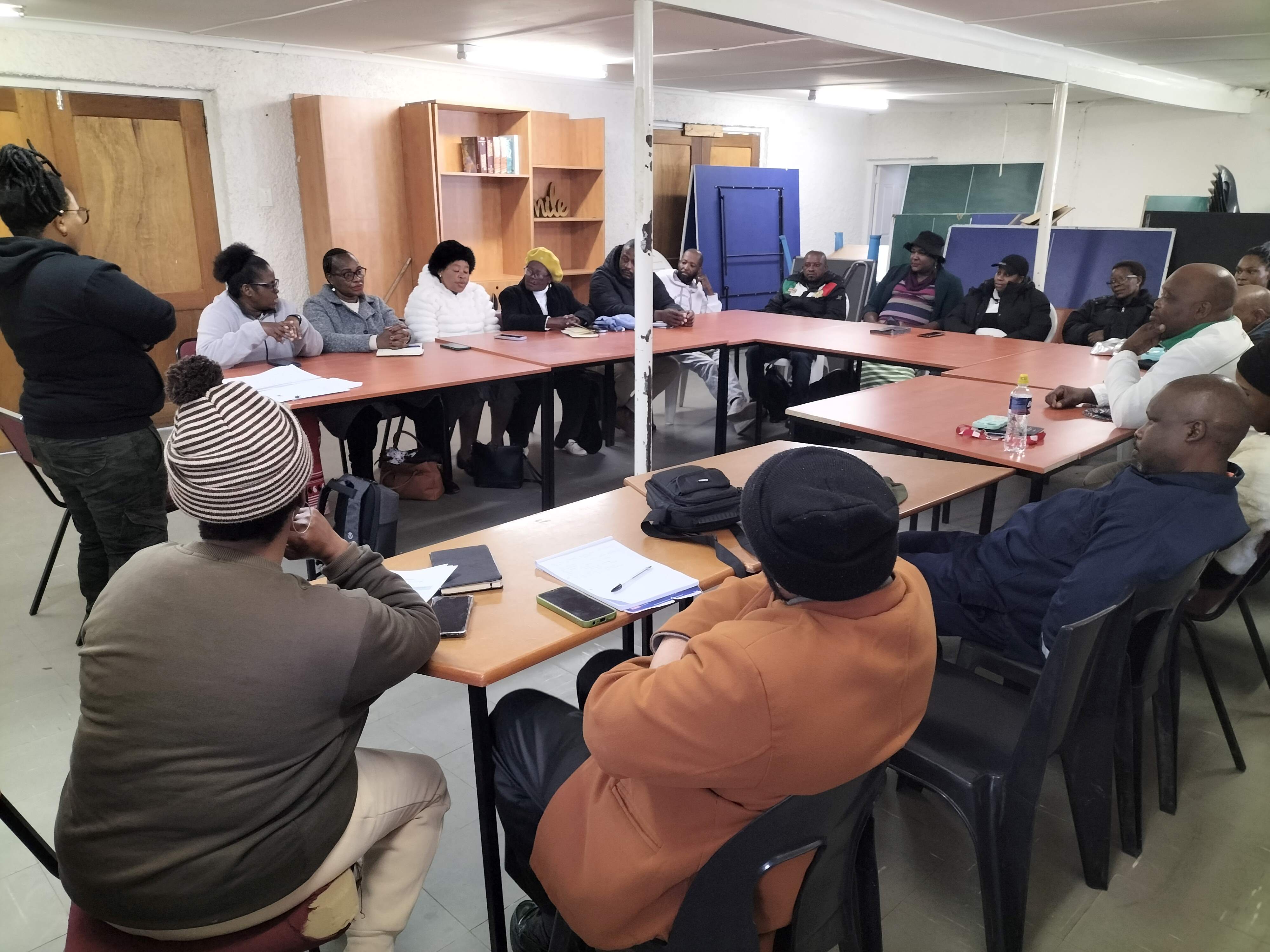
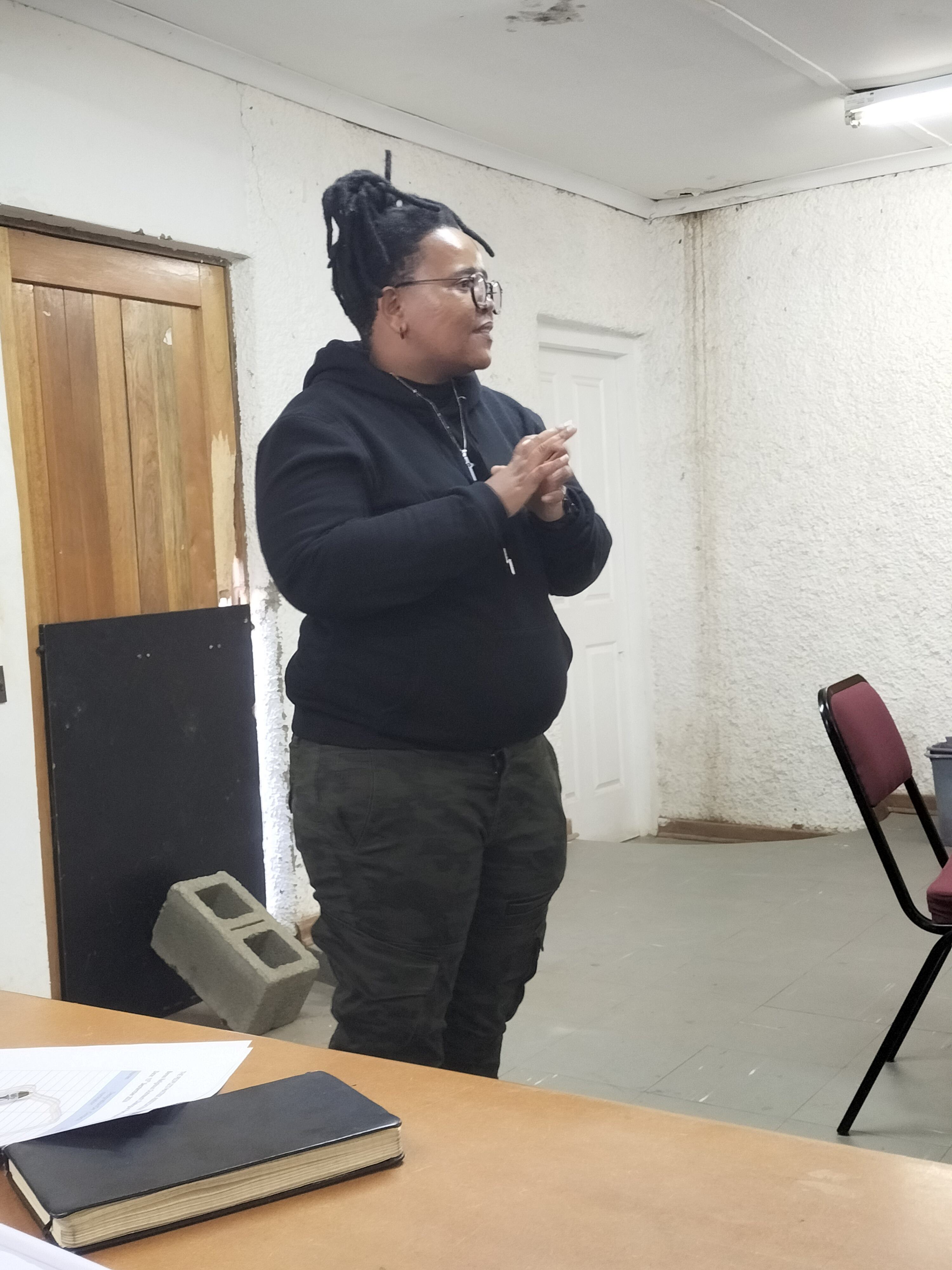
PMA Faith and Advocacy Coordinator, Mr. Dee Malelu, made the remarks during a community stakeholders’ dialogue held at the Teyateyaneng Thakaneng Youth Resource Centre on Tuesday.
Mr. Malelu said members of the LGBTQI community often found themselves subjected to societal stigma, misconceptions and various forms of abuse by people who considered themselves “normal”, depriving them of their human rights and access to essential services.
“During the extreme drought, under the scorching sunlight, people direct blame to the LGBTQI community for such unprecedented weather events,” he said.
He said the purpose of the dialogue was to raise awareness about the LGBTQI community and encourage communities to stand united against any form of abuse directed towards its members.
Mr. Malelu emphasised that people who discriminate against the LGBTQI community should first recognise them as human beings and God’s creation, rather than judging them based on their physical appearance or how they present themselves in society.
Despite advocacy initiatives, he said discrimination also occurred within families, with some LGBTQI individuals excluded from decision-making processes and, in some cases, banished from their homes.
He said churches were supposed to be safe spaces for everyone, but some members of the LGBTQI community were victimised in churches, where they were labelled as demon-possessed or accused of going against biblical principles.
“I was barred from attending a church for ten years based on how I present myself. LGBTQI are God’s creation who also deserve the same human dignity and respect,” he said.
Mr. Malelu appealed to community stakeholders to treat LGBTQI people with dignity and to become agents of change in their communities by fighting abuse against marginalised groups.
He further urged religious leaders to use their theological understanding appropriately when preaching the gospel, rather than judging people based on how they present themselves in society.
One of the traditional healers, Ms. Tiisetso Sekhuts’oane, said being marginalised was one of the most difficult experiences in life, adding that she first experienced it after responding to her spiritual calling as a traditional healer.
She said people avoided her because of her appearance, adding that the experience helped her understand the challenges faced by the LGBTQI community.
Ms. Sekhuts’oane said discrimination based on physical appearance was unacceptable and that LGBTQI people should be treated fairly by service providers and the wider community.
She also encouraged members of the LGBTQI community to develop self-love.
One of the religious leaders, Reverend Oupa Mathambo, said churches were supposed to be safe places for everyone, but political dynamics within some churches contributed to the victimisation of LGBTQI people.
He said it was important to recognise that LGBTQI people were human beings who also needed the word of God.
Sharing the same sentiments, Mrs. Maselebeli Tau called for intensified awareness campaigns about the LGBTQI community to deepen understanding of their lives and wellbeing.
Among the suggestions that emerged during the dialogue was the engagement of Area Chiefs in awareness campaigns, given their influence within communities and their potential role in joining the fight against abuse and promoting the safety of LGBTQI people.
ENDS/RM
