
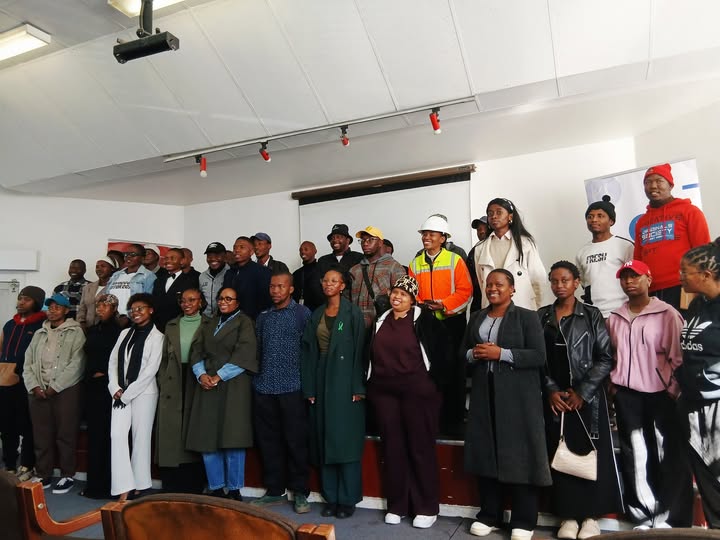
Maseru, June 26 — Communities have been urged to prioritise the protection and empowerment of boys by creating safe environments that prevent abuse, exploitation and harassment, speakers said during the Men’s Mental Health Awareness Event .
Protection against Sexual Exploitation, Abuse and Harassment (PSEAH) Specialist, Mr. Toka Justice Senkoto said many existing frameworks tend to overlook the needs of the boy child, making it important for families, churches and communities to intentionally empower boys and ensure they are protected.
He described safeguarding as the policies, practices and behaviours that individuals and organisations adopt to prevent harm. He said safeguarding applies to children and other vulnerable people, whose vulnerability may be influenced by factors such as age, authority, position and access to resources.
Mr. Senkoto said safeguarding, together with the prevention of sexual exploitation, abuse and harassment helps reduce cases of abuse that often remain hidden because victims are afraid or manipulated into remaining silent.
He explained the differences between sexual exploitation, sexual abuse and sexual harassment, saying men need to understand these distinctions so they can contribute to creating safe spaces for everyone while also recognising that men themselves also deserve protection.
He added that discussions on sexual abuse are important because such cases are often highly manipulative and frequently go unreported.
Meanwhile, Mr. Ramatsoku Rampai, RENOKA Natural Resources Expert said herdboys continue to face numerous challenges, including abuse, limited access to education and stigma within communities.
He said some herdboys suffer abuse but rarely report it, while others are unfairly blamed for incidents involving tourists. He stressed the need to educate herdboys on interacting with tourists and to recognise their important role in society.
Mr. Rampai further encouraged herdboys to form business groups to improve their livelihoods, saying herdboying remains an important part of Basotho culture and that greater efforts are needed to empower and protect them.
Ends/ MAMAJ/tl
