
MASERU JUNE 22 – Lesotho is taking steps to strengthen protection of traditional knowledge and genetic resources through the Nagoya Protocol, with government officials, experts and community stakeholders gathering this week for a consolidated Access and Benefit Sharing (ABS) Week.
The initiative, organised by the Ministry of Environment and Forestry in partnership with the United Nations Development Programme and funded by the Global Environment Facility, aims to create a common understanding of how the country can establish an effective ABS mechanism.
UNDP Chief Technical Consultant Mr. Ali Benryane said the process is designed to connect long-standing Basotho knowledge of biodiversity with the legal protections provided under the Nagoya Protocol.
“Basotho communities have for generations managed and utilized medicinal plants and other biological resources. What the Nagoya Protocol offers is a framework to ensure that this knowledge and these resources are protected and that any benefits arising from their use are shared fairly and equitably,” Benryane said.
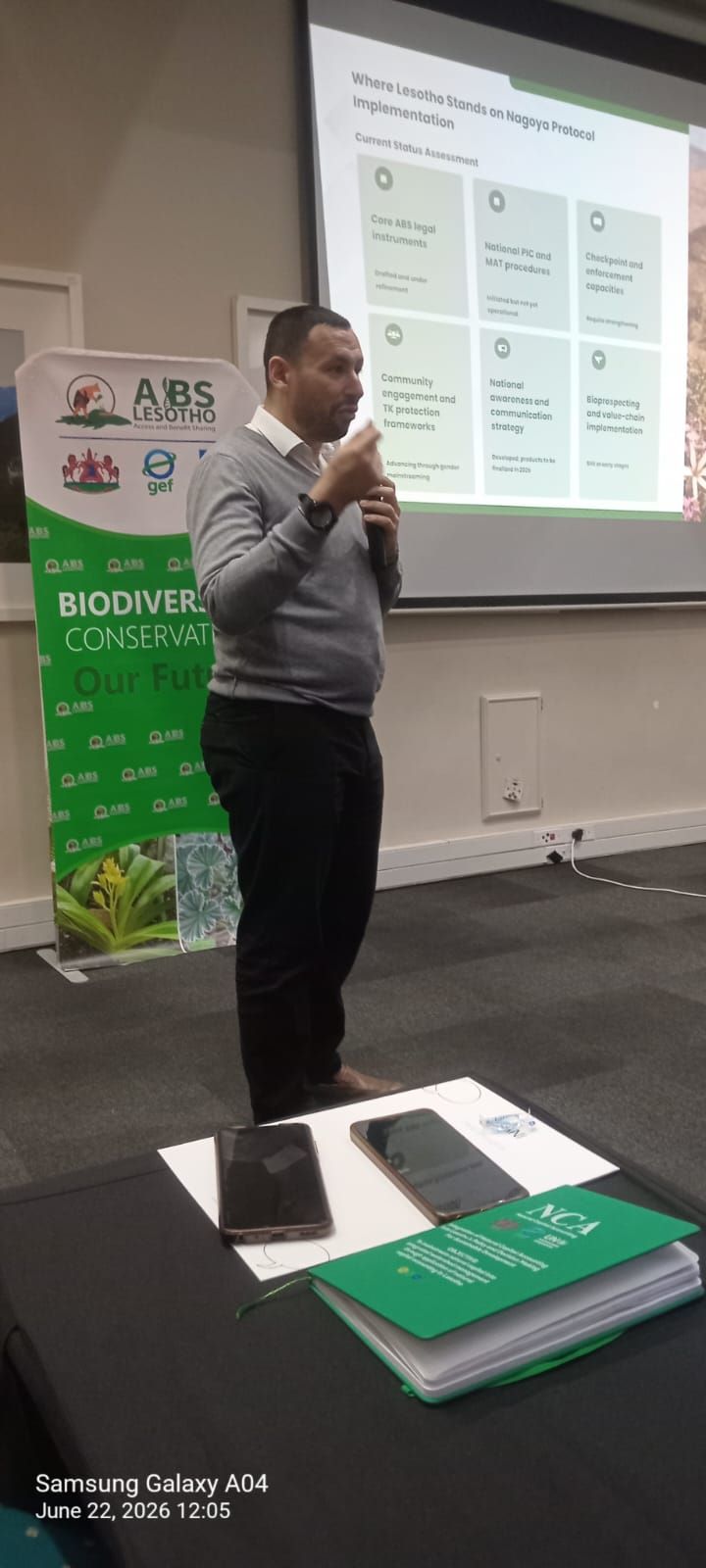
He said the Nagoya Protocol is international agreement under the Convention on Biological Diversity, establishes rules governing access to genetic resources and the sharing of benefits resulting from their use. Lesotho has ratified the agreement and is working toward full national implementation.
Mr. Benryane said the first ABS Week is focused on building consensus among stakeholders on priorities and implementation strategies, while a second session planned later this year will review progress and identify further actions.
Mr.Benryane said medicinal plants emerged as a central theme throughout the discussions, reflecting their importance as both genetic resources and repositories of traditional knowledge.
“Communities understand the value of these resources and the knowledge associated with them. The challenge is ensuring that when these resources are accessed or utilized, the process is transparent, equitable and protects the rights of knowledge holders,” he said.
He added that participants stressed the importance of integrated governance, arguing that scientific research, legal frameworks, communication strategies and gender considerations should be addressed as interconnected components rather than separate.
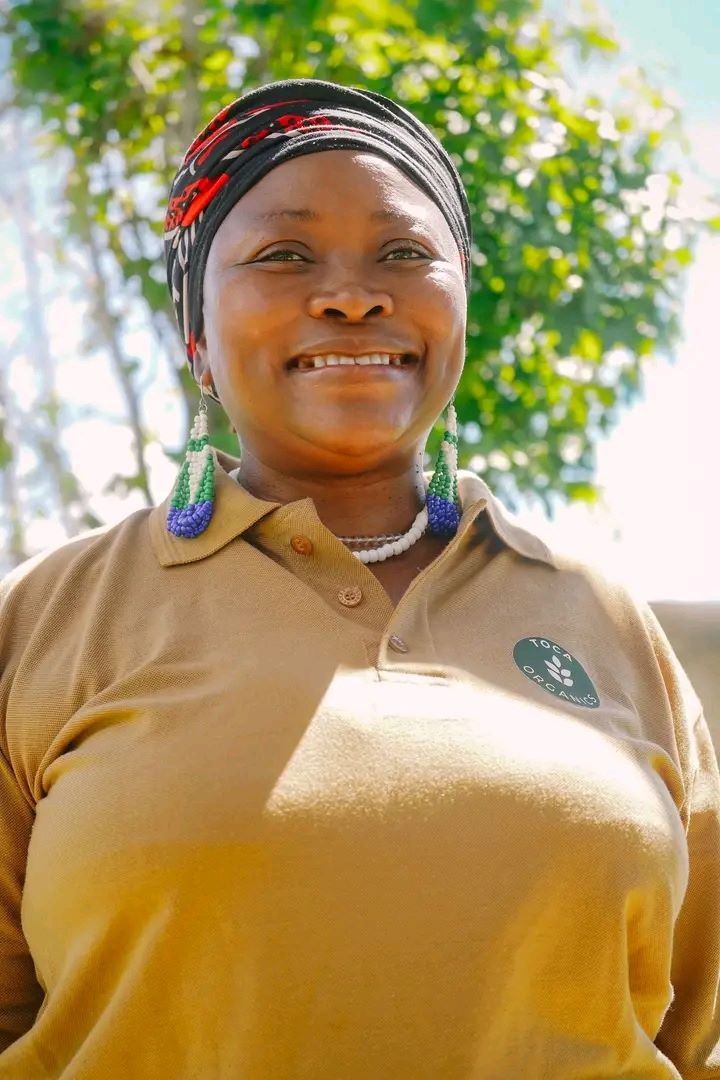
Meanwhile Chief Executive Officer, TOCA ORGANICS, Ms. Nomaphuthi Hoohlo said the project has shown respect by integrating scientists, socio-economists and local stakeholders from inception through data collection and intervention design.
She made a commitment to protect and benefit from indigenous resources at both personal and national levels, and stressed the importance of viewing the project through a socio-economic lens to benefit people across different spheres.

Ms. Hoohlo called for action on establishing national structures and aligning policy levels to ensure recommendations and past knowledge can be effectively executed.
“The transition from suggestions and recommendations to actual implementation requires a functional national framework,” Hoohlo said. “We must coordinate across all levels of the national structure, including policy, district and community council levels.”
She also recognised the Ministry of Environment and Forestry, UNDP for their efforts in resource protection.
Officials emphasised that consultations will continue beyond the current meeting, with the second ABS Week later this year expected to assess progress and help shape the next phase of Lesotho’s Access and Benefit Sharing framework.
End/TS
