
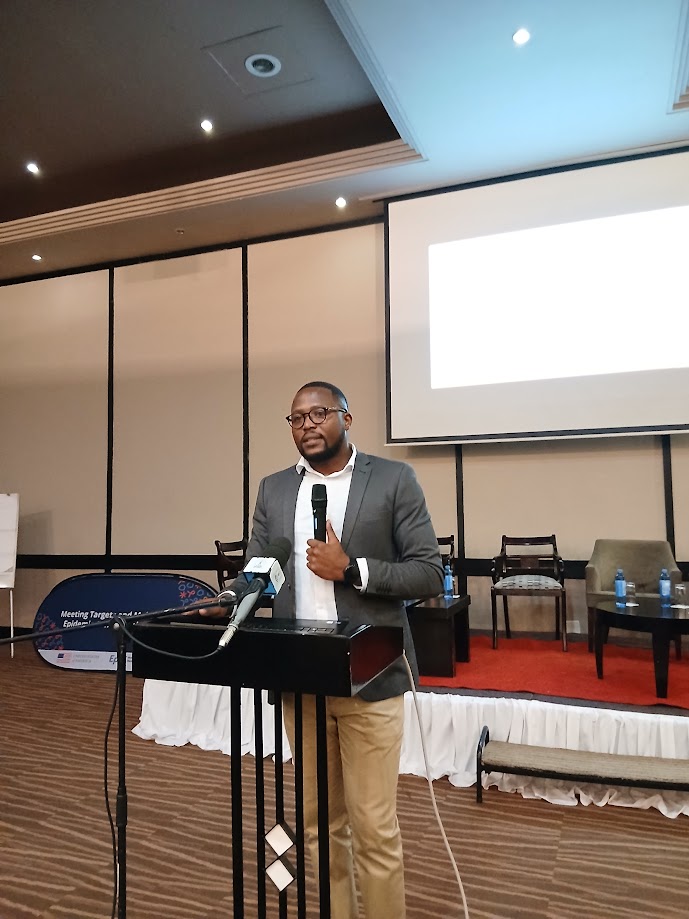
Maseru, June 25 — The Back to Care Campaign has highlighted the need for stronger systems to ensure that people living with HIV remain on treatment and continue receiving care without interruption.
The campaign, implemented by the Meeting Targets and Maintaining Epidemic Control (EpiC) Project in collaboration with the Ministry of Health, District Health Management Teams (DHMTs) and implementing partners, focused on tracing and re-engaging clients who had interrupted HIV treatment.
Presenting the campaign overview and results on behalf of Epic Technical Manager, Mr. Molemo Makhetha said the initiative was part of efforts to maintain HIV epidemic control in the country.
He said while Lesotho has made progress in reducing HIV related deaths and new infections, challenges remain in ensuring that people who start treatment stay in care.
He mentioned that the campaign found that some clients listed as having interrupted treatment were still receiving services at other facilities, but their records had not been updated.
He said this was attributed to weak communication between facilities and incomplete documentation in patient monitoring systems.
He stated that mobile populations, including people who travel for work, education or family responsibilities, were identified as being particularly affected by gaps in the transfer and referral system.
Mr. Makhetha said some clients move between districts or travel to South Africa for employment and may continue treatment elsewhere without formally transferring their records from their original facilities.
He said the campaign used telephone calls, home visits and community-based structures, including village health workers and local leaders, to trace clients and support their return to treatment.
He emphasised that among the reasons clients gave for interrupting treatment were work commitments, travel, transport challenges, illness, long distances to health facilities and missed appointment dates.
He mentioned that the campaign also offered index testing to clients returning to care in an effort to identify partners and children who may have been exposed to HIV and link those found positive to treatment.
He said the results demonstrated the importance of index testing in identifying people who may not know their HIV status and ensuring they access services early.
He stressed that health facilities cannot address treatment interruption alone, saying stronger collaboration is needed between health workers, communities, district authorities, traditional leaders and implementing partners.
He added that improving patient documentation, strengthening communication between facilities and providing flexible treatment options for mobile clients will be important in keeping people on treatment and reducing new HIV infections.
Ends/MAMAJ/tl
