

By Noliwe Tlamane
Maseru – When her mother passed away, Lisemelo was just a fragile child confused and suddenly left with the responsibility of caring for her two younger siblings. What followed was a journey marked by loss, rejection and survival that tested the very limits of her spirit, all under the care of someone she once believed would be her safe space.
Living with her aunt, who sold food at the market, initially offered a glimmer of hope. But that hope soon faded into despair. Lisemelo and her siblings were often deprived of food, and when their aunt returned from the market with leftovers, they were told to feed the scraps to the dogs.
“I used to eat stale food with dogs at my aunt’s house,” Lisemelo recalled softly, her voice trembling.
For years, she endured neglect and humiliation and as a young girl she was stripped of dignity, navigating a world with little compassion. The pain of being an orphan was compounded by discrimination, lack of access to education, and the trauma of sexual assault.
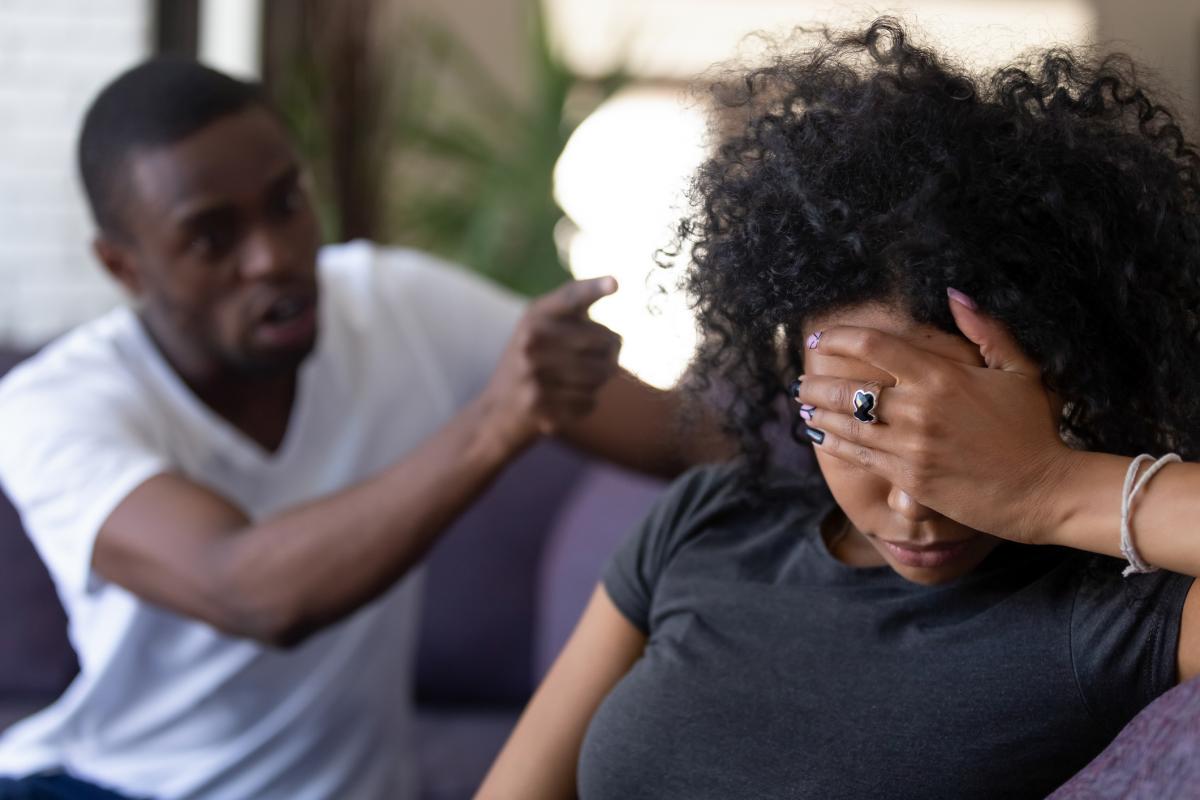
Moving between orphanages and the streets exposed her to further dangers, including sexual violence. When she finally reunited with relatives in South Africa, she hoped for safety but it turned into her worst nightmare. Lisemelo was repeatedly assaulted by a pastor, who was also her cousin. Reporting the abuse yielded no justice, forcing her to flee for her life in the middle of the night.
With help from a Mosotho man she met in Tweespruit, she crossed back into Lesotho through the Van Rooyen border post. There, a kind woman took her to the Lapeng Multipurpose Centre, which supports survivors of Gender-Based Violence (GBV).
The centre became a turning point in her life. Lisemelo returned to school, studying culinary arts and catering at a vocational centre. In 2025, she secured permanent employment and now provides for her siblings and her daughter she conceived through one of the assaults.
“I thought my life had no meaning. Today, I choose to speak out not just for myself, but for all women and girls who have suffered in silence. I’m healing and I want others to know that healing is possible and that their lives still have value,” she said.
Lisemelo’s story echoes the experiences of many women and girls in Lesotho and across Southern Africa, where Gender-Based Violence remains one of the most pervasive human rights violations. It is also a major obstacle to achieving the Sustainable Development Goals (SDGs) particularly SDG 5 (Gender Equality), SDG 10 (Reduced Inequalities), and SDG 16 (Peace, Justice and Strong Institutions).
As the world prepares to commemorate the 16 Days of Activism Against Gender-Based Violence, which runs annually from November 25 (International Day for the Elimination of Violence Against Women) to December 10 (Human Rights Day), Lisemelo’s story serves as a reminder of the urgency to protect women and girls, amplify survivor voices and strengthen community-based prevention efforts.
According to the United Nations Resident Coordinator in Lesotho, Ms. Amanda Khozi Mukwashi, GBV affects every aspect of development from education and health to economic participation.
She emphasized that many victims are harmed by people they know and trust, which makes reporting difficult and healing more complex.
The Acting Commissioner of Lesotho Correctional Services, Mr. Matingoe Phamotse, acknowledged that rehabilitation for survivors remains inadequate, citing the lack of follow-up counselling. “In most cases, follow-up only happens when perpetrators are due for release, yet victims need ongoing support,” he said.
Meanwhile, the Minister of Information, Communication, Science and Technology, Ms. Nthati Moorosi, urged that media platforms be used as powerful tools in the fight against GBV. She said radio, television, and social media can play a pivotal role in promoting gender equality and justice.
“Despite the pain survivors endure, their stories must be told because they have the power to inspire change and challenge harmful mindsets,” she said.
Ms. Moorosi also called for the decentralisation of awareness campaigns, noting that the fight against GBV must reach villages, schools, and churches to ensure everyone becomes part of the solution. She appealed to journalists to report GBV stories ethically and sensitively, protecting survivors’ privacy while promoting a culture of zero tolerance toward violence.
The Chairperson of the Women’s Caucus in the National Assembly, Mrs. ’Makatleho Motsoasele, stressed the importance of capacity building within law enforcement agencies to ensure effective and sensitive handling of GBV cases.
She warned that stigma and discrimination discourage many survivors from reporting abuse.
Mrs. Motsoasele also called for inclusive protection measures for vulnerable groups such as persons with disabilities and the LGBTQ+ community, aligning with the broader targets of SDG 10 and SDG 16.
While challenges remain, Lesotho has however made significant strides in combating GBV. The Minister of Gender, Youth and Social Development, Mr. Pitso Lesaoana, cited progress including the harmonisation of the rights of customary widows, the enactment of the Counter Domestic Violence Act, and the establishment of multi-purpose centres for survivors.
He reaffirmed Lesotho’s commitment to ending GBV in line with the 2030 Agenda for Sustainable Development and the African Union’s Agenda 2063.
When children experience trauma whether through abuse, violence, loss, or sudden disruptions in their lives, their wounds are often silent, hidden beneath brave faces and small bodies trying to make sense of overwhelming pain. While physical injuries are quickly treated, the emotional and psychological scars can linger for years, shaping how a child learns, behaves and relates to the world.
For Ms. Palesa Pampiri, the Country Representative of the Regional Psychosocial Support Initiative (REPSSI) Lesotho, this reality demands urgent, sustained attention as trauma affects how a child grows, learns and interacts. She highlights that psychosocial support is not optional but it is essential for a child’s recovery and long-term well-being.
She stated that trauma becomes an invisible burden that children carry as children who undergo trauma often struggle with fear, withdrawal, anxiety, anger, nightmares or sudden changes in behaviour and without early psychosocial intervention, these effects can escalate into chronic mental health conditions or hinder their ability to thrive academically and socially.
She noted that trauma disrupts a child’s sense of safety and identity as when a child is hurt, their entire world changes therefore psychosocial support helps rebuild that world.
Psychosocial support (PSS) is a lifeline, an emotional, social and developmental anchor that helps children process trauma in healthy ways. REPSSI, a leading organisation in community-based child and youth mental health, promotes approaches that empower caregivers, schools, and communities to become active participants in a child’s healing journey.
According to Ms. Pampiri, children need environments where they are heard, believed and supported. That is the foundation of healing. Post-trauma support does not only address what has happened, it prepares children for what comes next. Resilience, Ms. Pampiri explains, is not automatic but it is nurtured through consistent emotional support, stability and meaningful participation.
Programs supported by REPSSI encourage children to speak about their experiences, participate in decision-making, and reconnect with school and play. This active involvement helps them regain a sense of control over their lives and one of Ms. Pampiri’s strongest messages is that psychosocial support should not exist in isolation.
‘Healing must extend to homes, classrooms and communities. A child spends only a few hours with a counsellor, but they spend their entire lives with families, peers and teachers,’ she notes.
This holistic approach aligns with Lesotho’s national child protection strategies and global development goals, including SDG 3 on good health and well-being and SDG 16 on strong, safe communities. REPSSI works closely with ministries, schools, and civil society to ensure that mental health and child protection become integrated into the country’s broader systems, not just emergency responses.
On the other hand, Senior Inspector Teke Petje of the Lesotho Mounted Police Service Child Protection Unit says child sexual abuse in Lesotho continues to thrive in the shadows of homes, schools and communities, fuelled by silence, fear and the erosion of traditional child-safeguarding structures.
Speaking with conviction shaped by years of investigating cases involving minors, Petje notes that the majority of incidents reported to the LMPS involve perpetrators who are known to the child either being parents, step-parents, relatives, neighbours, teachers, or community members entrusted with care. This, he says, is what makes the crime both devastating and complex.
‘Children are not being harmed by strangers. They are being harmed by people they trust,’ he explains, adding that children often do not have the language, confidence or safety to disclose abuse early.
He indicated that by the time many cases reach the Police , the trauma is deep and evidence is harder to secure because children delay reporting out of fear or threats from the abuser.
Petje says Lesotho’s legal framework is strong, but its effectiveness depends on community cooperation, timely reporting and consistent enforcement highlighting the Children’s Protection and Welfare Act of 2011 that stands as the country’s primary child-protection law, guaranteeing children the right to safety, dignity and protection from all forms of violence, exploitation and neglect.
The Act also makes it mandatory for anyone who knows or suspects that a child is being abused to report the matter to authorities, a provision Senior Inspector Petje insists communities must take seriously if children are to be saved before irreversible harm occurs.
Additionally, the Sexual Offences Act of 2003 criminalises rape, sexual assault, exploitation and any sexual activity involving minors, prescribing heavy penalties for perpetrators. Under this law, a child cannot consent to a sexual act, and any such act is automatically treated as a crime.
On this matter Senior Inspector Petje highlighted that this clarity is important because many cases involve manipulation, gifts or financial promises made to vulnerable children. “A child’s vulnerability must never be used to excuse criminal behaviour. The law is very clear, sexual contact with a child is a punishable offence, regardless of circumstances,” he stresses.
These laws are supported by various national policies, including the National Multisectoral Child Protection Strategy and school-based safeguarding guidelines, which aim to strengthen mandatory reporting systems, psychosocial support, and coordination between police, health professionals and social workers. However, despite these frameworks, Senior Inspector Petje said that challenges remain and among them societal stigma, the normalisation of abuse in some communities, and a lack of child-friendly reporting spaces in rural areas.
He called for collective responsibility, urging parents, caregivers, teachers, health workers and local leaders to be alert to signs of abuse and to act without hesitation saying that protection is not only the duty of the police but it is everyone’s duty as idioms say that ‘Ut takes a village to raise a child’
‘When a child speaks, believe them. When a child behaves differently, investigate. When you suspect abuse, report immediately’, he noted.
Senior Inspector Petje concluded that ending child sexual abuse will require more than law enforcement alone as it demands a cultural shift where communities choose children’s safety over family reputation, silence or fear.
‘Every child in Lesotho deserves to grow up free from abuse. Our laws support that, but society must enforce it with courage and compassion’, he added.
Despite progress made in child protection, many children in Lesotho still face trauma without adequate support. Barriers such as stigma, limited resources and shortage of trained practitioners hinder access. Sustained investment in psychosocial services is vital as when the country invests in children’s emotional well-being, it invests in the future of its nation as healing children today prevents bigger social problems tomorrow.
The Media space continues to be one of the advocating platforms that also ensures the publication of issues affecting the everyday growth of a child. Ms. Masekonyela Makhaba a Senior Reporter for the Lesotho News Agency (LENA) shares light into her journey on issues of child protection.
‘I have walked into homes, schools and community centers where laughter should have filled the air. Instead, I often find silence or whispers of fear as Child sexual abuse is not just a statistic, it is a lived reality for too many children in Lesotho, one that leaves invisible scars yet shapes futures forever.
She indicated that reporting on such sensitive issues is never easy as each story she uncovers carries the weight of trauma, guilt and fear narrating a story she remembers of a boy who shared his experience with trembling hands, afraid that his words might bring harm to him or his family.
‘ As I listened, I felt both the burden and responsibility of my role which is to tell his story with dignity, to shine a light without exploiting his pain.My work takes me into spaces many avoid. I sit in courtrooms where perpetrators face justice and in counseling rooms where children try to piece their lives back together. I speak with social workers, law enforcement officers and psychologists, all of whom echo the same frustration, the laws are in place, but implementation is slow and fear and stigma keep many victims silent’, she narrates.
She mentioned that there is a delicate balance she must maintain as she cannot sensationalize these stories, but neither can she let them fade into the shadows saying her role is to amplify voices that are too often muted, to make society uncomfortable enough to act, without further traumatizing the children involved.
She added that in her reporting, she has learned that awareness alone is not enough but also community involvement, strong support systems and early intervention are key as she writes not just to inform, but to ignite dialogue and action adding that child sexual abuse is a story of silence breaking, of courage, resilience and hope stating that as a journalist, she does not just cover the headlines but she also journeys with these children through their pain and their recovery.
‘With every article, my hope is that society will no longer turn a blind eye and that every child in Lesotho can reclaim a childhood that is safe, joyful and free, to report on children’s suffering is to confront society with its failures but it is also an opportunity to demand change. Every story I tell is a call for protection, for justice and for hope.”
Across Southern Africa, the Spotlight Initiative 2.0 Multi-country Programme reports that 33 percent of women in the region have experienced intimate partner violence. Deep-rooted cultural norms continue to perpetuate gender inequality, limiting women’s access to education, resources, and decent work.
In response, Lesotho recently hosted the Strategic Dialogue and Stock-Take Joint Sub-Regional Initiative for Addressing GBV Against Women and Girls in Southern Africa, which brought together countries including South Africa, Botswana, Namibia, Eswatini, and Zambia to strengthen joint interventions.
As Lesotho joins the world in observing the 16 Days of Activism, Lisemelo’s story stands as both a warning and a beacon which is also a reminder that the struggle for equality begins with listening, believing, and standing with survivors. It is also a call to action for communities, institutions and governments to make gender justice not just a campaign, but a lasting commitment.
Ends
