
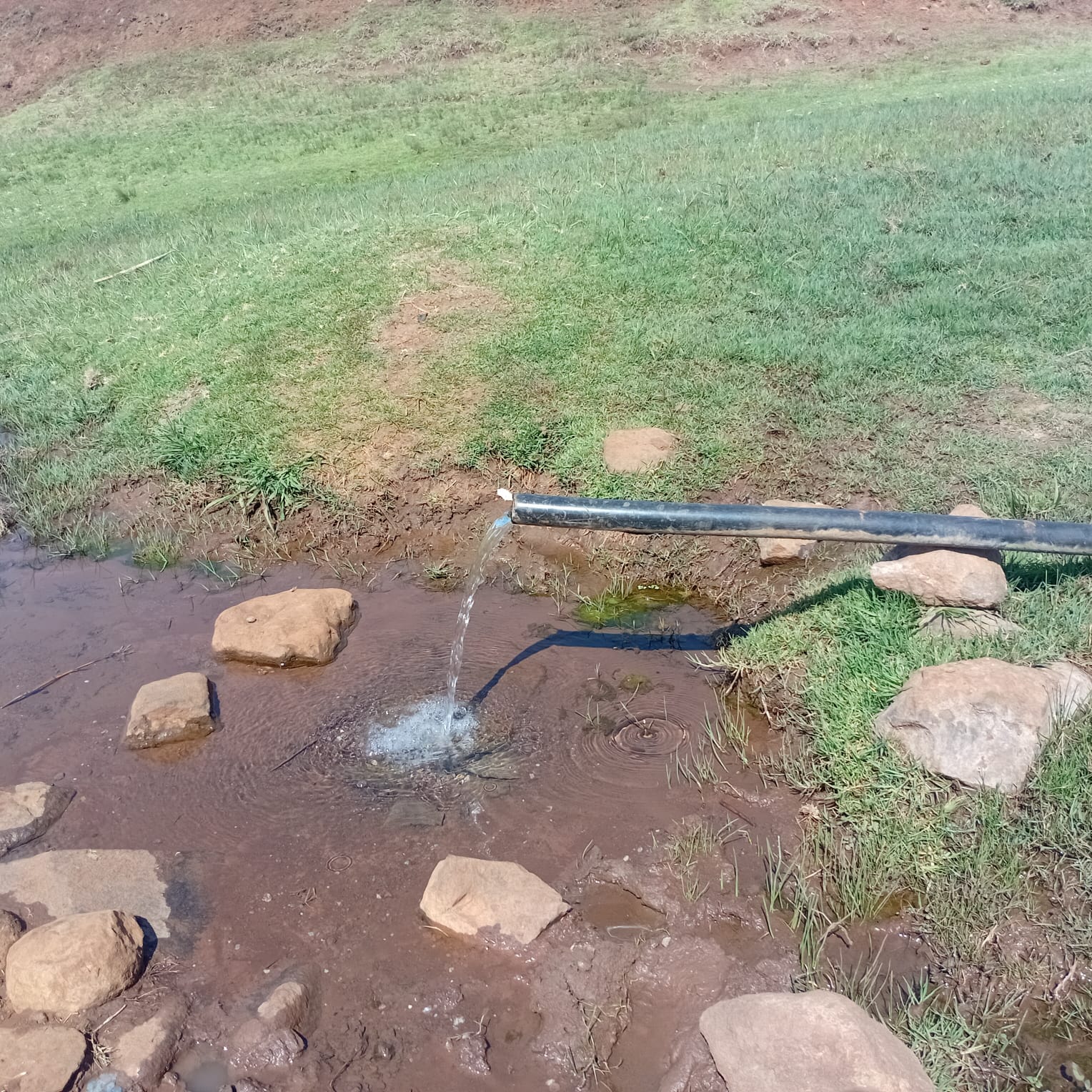
Botha-Bothe, Nov. 12 – Residents of Ha Mpharoane in Botha-Bothe say they have been without access to piped water since 1969, forcing them to rely on a spring located approximately one to two kilometres from their village.
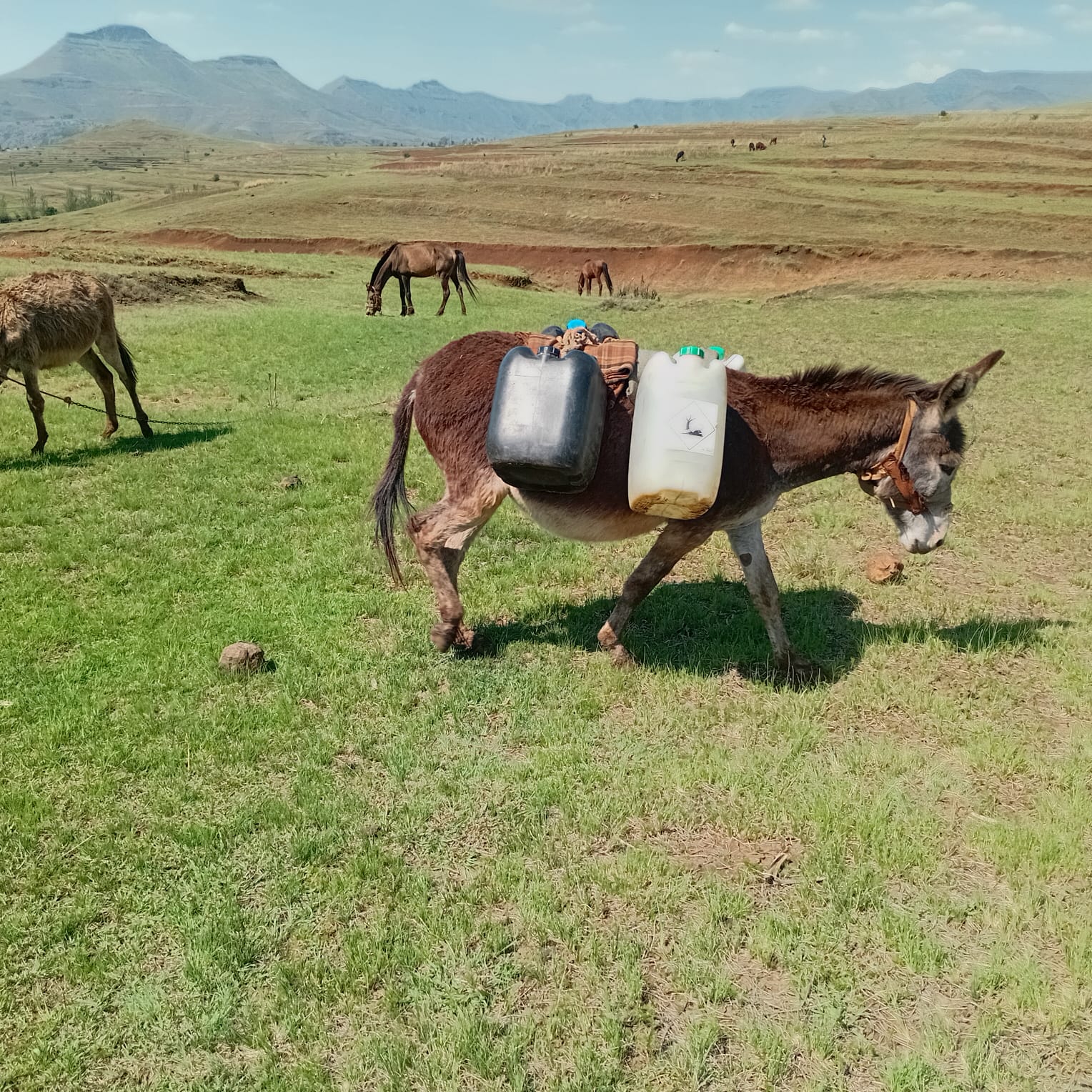
The local chief, Mrs. ‘Makatse Beleme said the spring is the main source of water for three villages, namely Ha Mpharoane, Ha Mphahlela and Ha Lebajoa, with residents having to travel long distances to fetch water for their daily needs.
She said accessing the spring becomes particularly difficult during the rainy season because of the clay soil surrounding it, which makes the area muddy and slippery. As a result, some people get stuck in the mud while trying to fetch water.
The chief further expressed concern over the condition of the water outlet, explaining that a pipe has been connected to the spring to allow water to flow out, but it has accumulated algae and it is impossible to get it cleaned.
She added that pregnant women, children and elderly people are among those who depend on the same water source, raising concerns about the challenges they face in accessing water, particularly during unfavourable weather conditions.
Of further concern is that Seboche Hospital also relies on the same spring for its water supply, meaning that the source serves not only surrounding communities but also a health facility.
Sustainable Development Goal (SDG) 6, calls for the availability and sustainable management of water and sanitation for all while Target 6.1 specifically commits countries to achieving universal and equitable access to safe and affordable drinking water for everyone by 2030.
Access to clean water is also recognised as a fundamental human right under United Nations General Assembly Resolution 64/292, adopted in 2010, which acknowledges the right to safe and clean drinking water and sanitation as essential for the enjoyment of life and other human rights.
Furthermore, the International Convention on Economic, Social and Cultural Rights recognises the right to an adequate standard of living, which includes access to water. The UN Committee on Economic, Social and Cultural Rights, in General Comment No. 15, emphasises that water should be sufficient, safe, acceptable, physically accessible and affordable for personal and domestic use.
The United Nations Convention on the Rights of the Child, under Article 24, also requires states to take appropriate measures to combat disease and malnutrition through the provision of adequate nutritious food and clean drinking water, particularly in protecting children’s health.
These international commitments highlight the importance of ensuring that communities, including vulnerable groups such as children, pregnant women and elderly people, have access to safe and reliable water.
Ends/MP
