
Qacha’sNek, June.11 — After decades of isolation marked by washed-away bridges, impassable rivers and limited access to essential services, residents of Lebakeng could soon see long-awaited relief following the launch of a M1.4 billion road project aimed at transforming connectivity in one of Lesotho’s most remote regions.
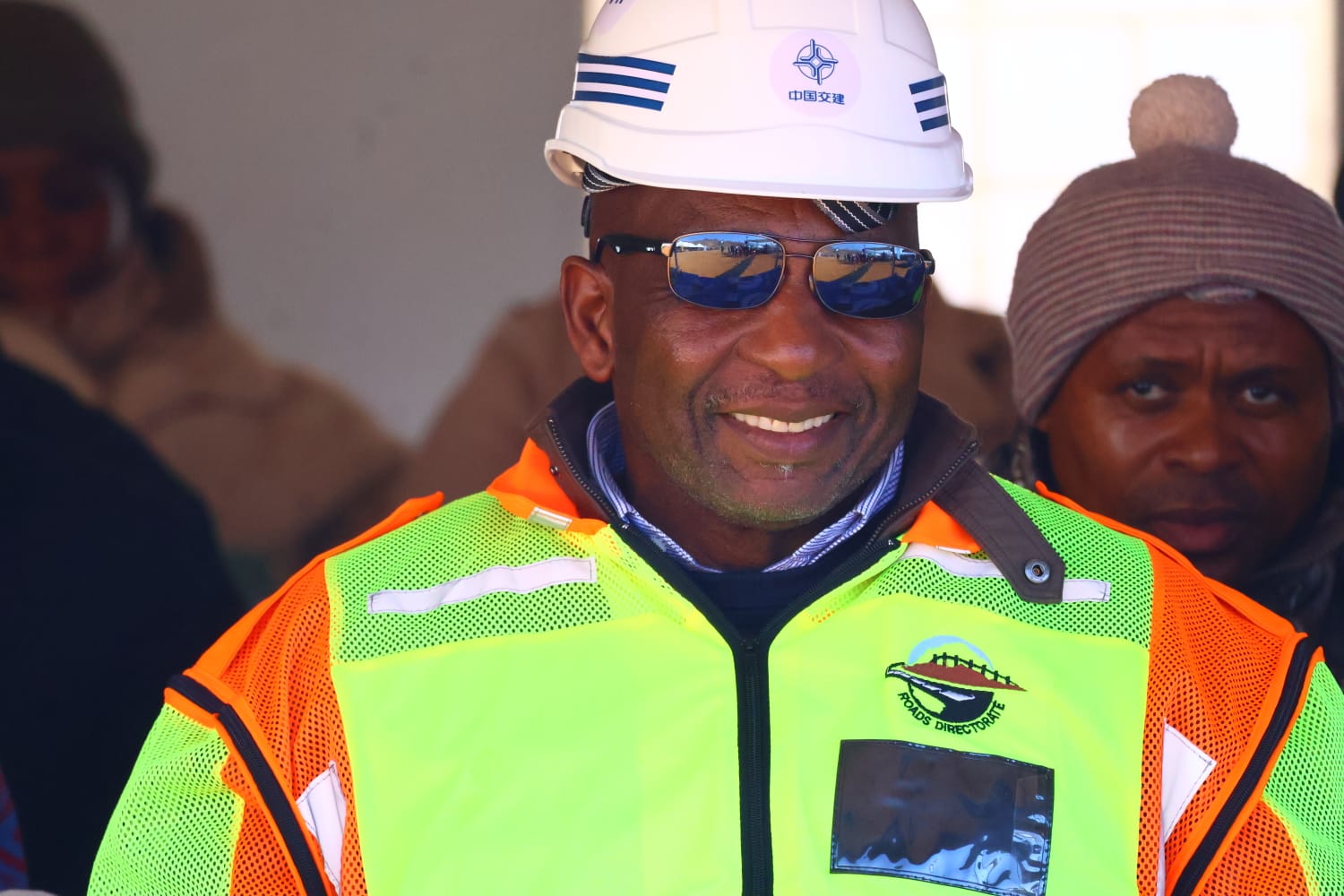
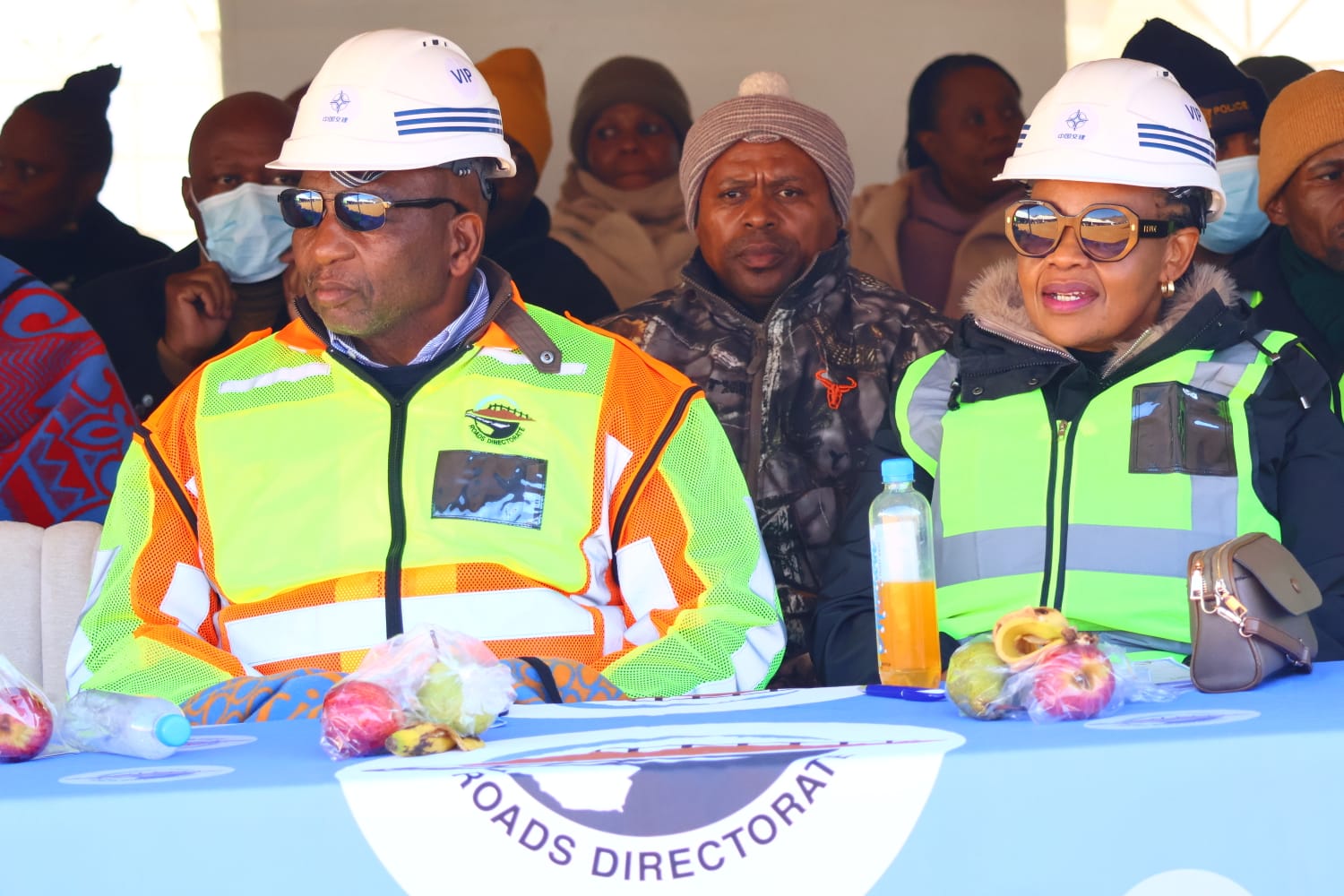
Prime Minister Ntsokoane Matekane officially launched the Matlali-Lebakeng road project on Thursday during a sod-turning ceremony at ’Melikane Combined School in Mahoeng, describing it as a major step towards improving access, mobility and economic opportunities.
The project, which is fully funded by the government, involves upgrading the existing 45-kilometre route to bitumen standard, constructing a 1.4-kilometre gravel road to ’Melikane Combined School, and building major bridges over the Tsoelike, Lijabatho, ’Melikane and Senqu rivers.
The contract has been awarded to China International Water and Electric Corporation, with the project expected to be completed in February 2030.
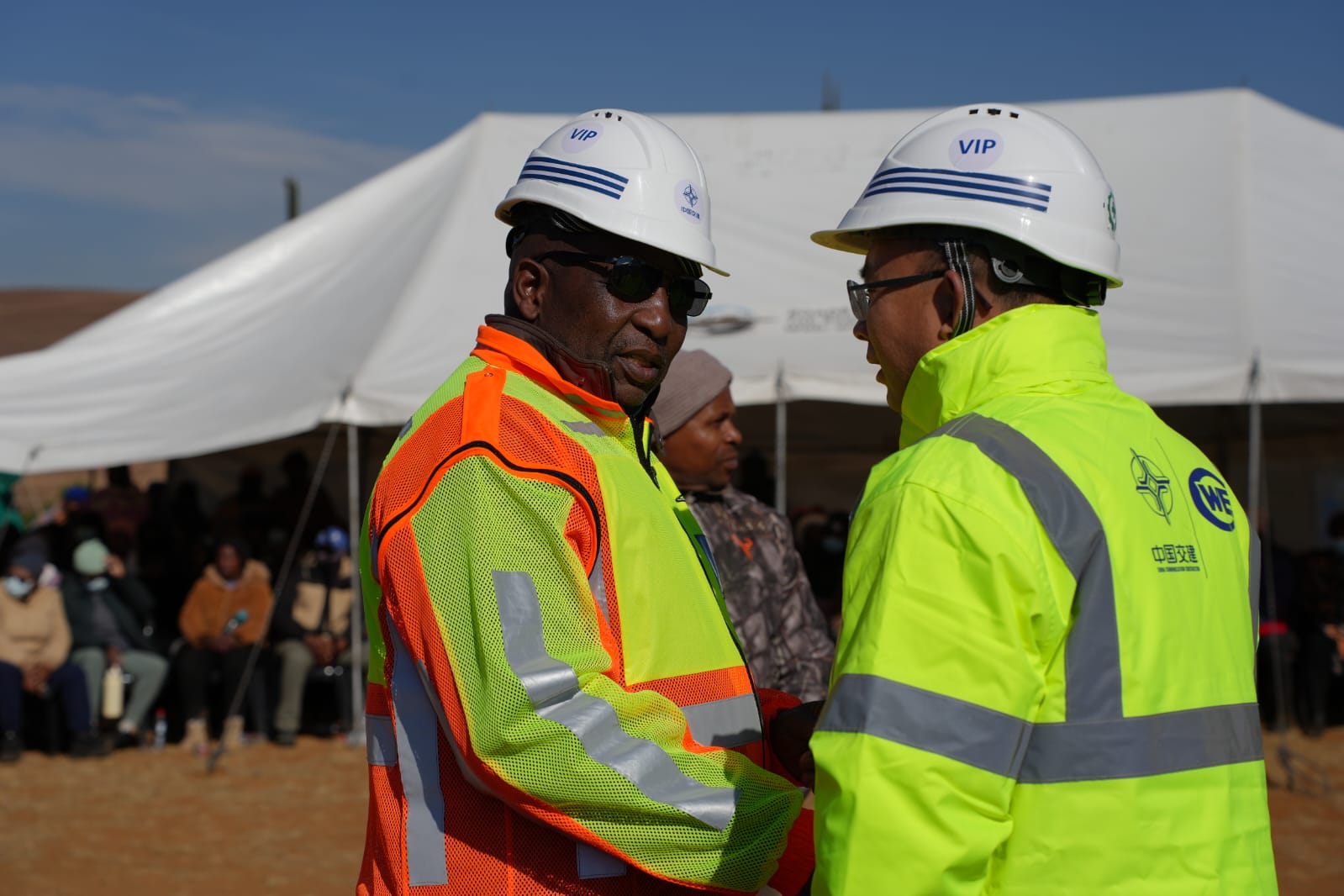
Prime Minister Matekane said the project symbolises the government’s commitment to improving service delivery, stimulating economic growth and changing the lives of Basotho regardless of where they live.
He said residents were well aware of the challenges caused by bridges that are regularly washed away during heavy rains, leaving communities cut off from services and opportunities.
“These bridges should be big and be able to withstand different weather conditions,” he said, urging the Minister of Public Works and other stakeholders to ensure durable infrastructure.
The Prime Minister said the project responds directly to the National Strategic Development Plan II (NSDP II), which prioritises road construction to improve mobility, strengthen trade and economic activity and facilitate access to markets and services.
He said that when the road and bridges are completed, many of the hardships currently faced by residents would become a thing of the past.
“Problems of taking days to travel, overflowing rivers, being stranded, children’s absenteeism from school, reluctance by teachers to work in these areas and difficulties accessing health centres will be a thing of the past,” he said.
Matekane noted that Lesotho’s unique mountainous landscape attracts tourists and said improved roads would unlock the tourism potential of the area.
He said tourists would be encouraged to visit ’Melikane to experience its natural beauty, wildlife and historical sites.
The Prime Minister challenged the Ministry of Tourism to ensure that attractions such as the San and Khoisan cave located between Thueleng and Ha Khanya, as well as Sethotsela sa ’Melikane history, are properly promoted and preserved.
He also urged the Ministry of Environment and Forestry to strengthen conservation efforts to support sustainable tourism development.
The project is expected to create approximately 450 jobs for unskilled labourers from villages along the road corridor and surrounding communities.
“This is important because government projects of this magnitude must improve people’s lives while they are being implemented through employment opportunities, skills development and public trust,” Matekane said.
He added that the improved road would reduce vehicle maintenance costs and lower transport fares currently driven up by poor road conditions.
The Prime Minister stressed that the contractor must complete the project on time, within budget and to the highest quality standards.
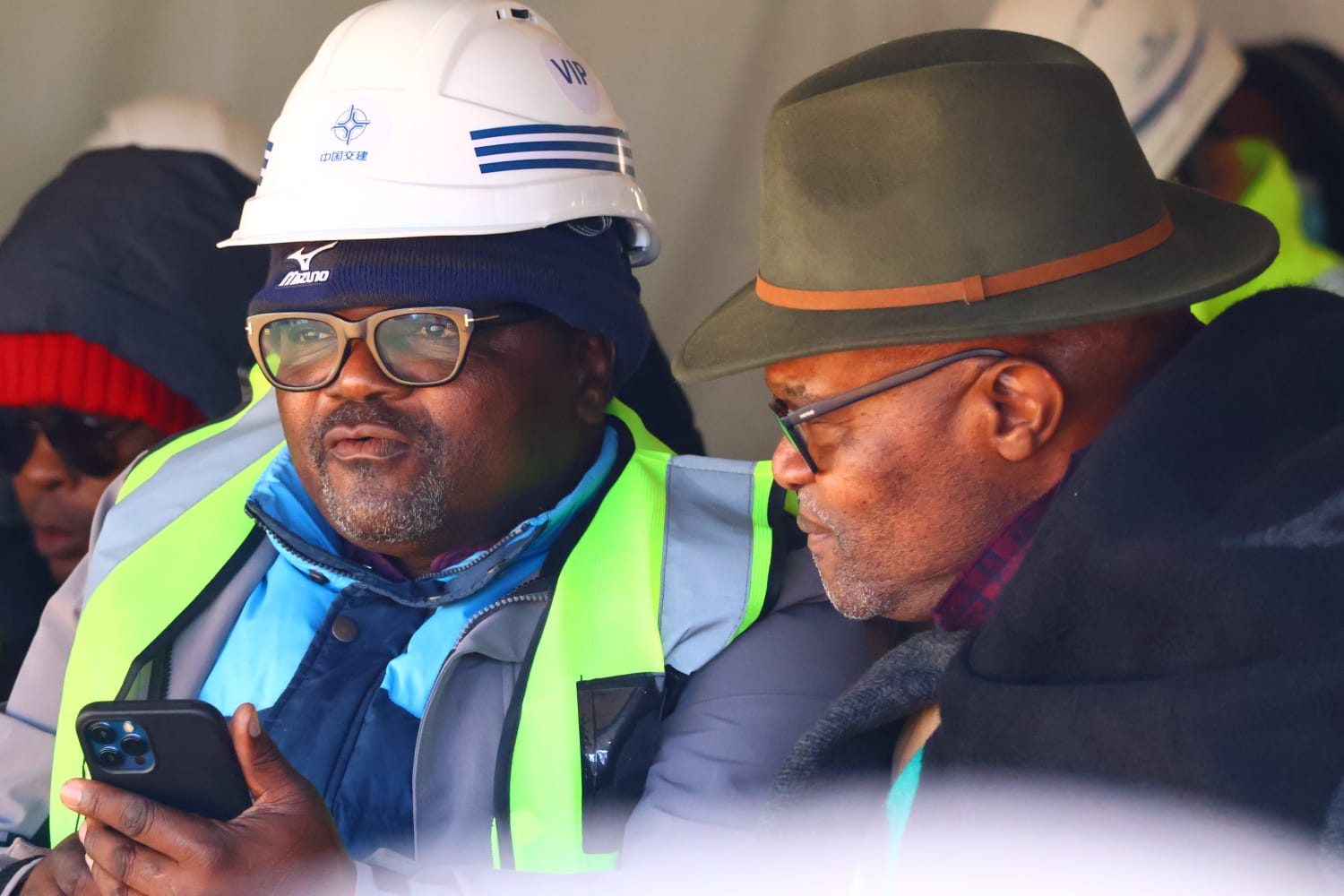
“The public deserves value for money from the M1.4 billion investment,” he said.
Prime Minister also called for the timely compensation of field owners affected by the project.
“I am not sure whether it is the contractor or the client who is responsible for compensation, but whoever is responsible must pay on time and within the agreed period. I do not want to come back here to intervene,” he said.
He instructed residents to protect the development and cooperate with contractors, while urging local workers to perform their duties faithfully and follow established grievance procedures where necessary.
The Prime Minister further directed the contractor to prioritise local businesses and suppliers.
“You can source anything that is not available outside, but whatever is available here must be bought here,” he said.
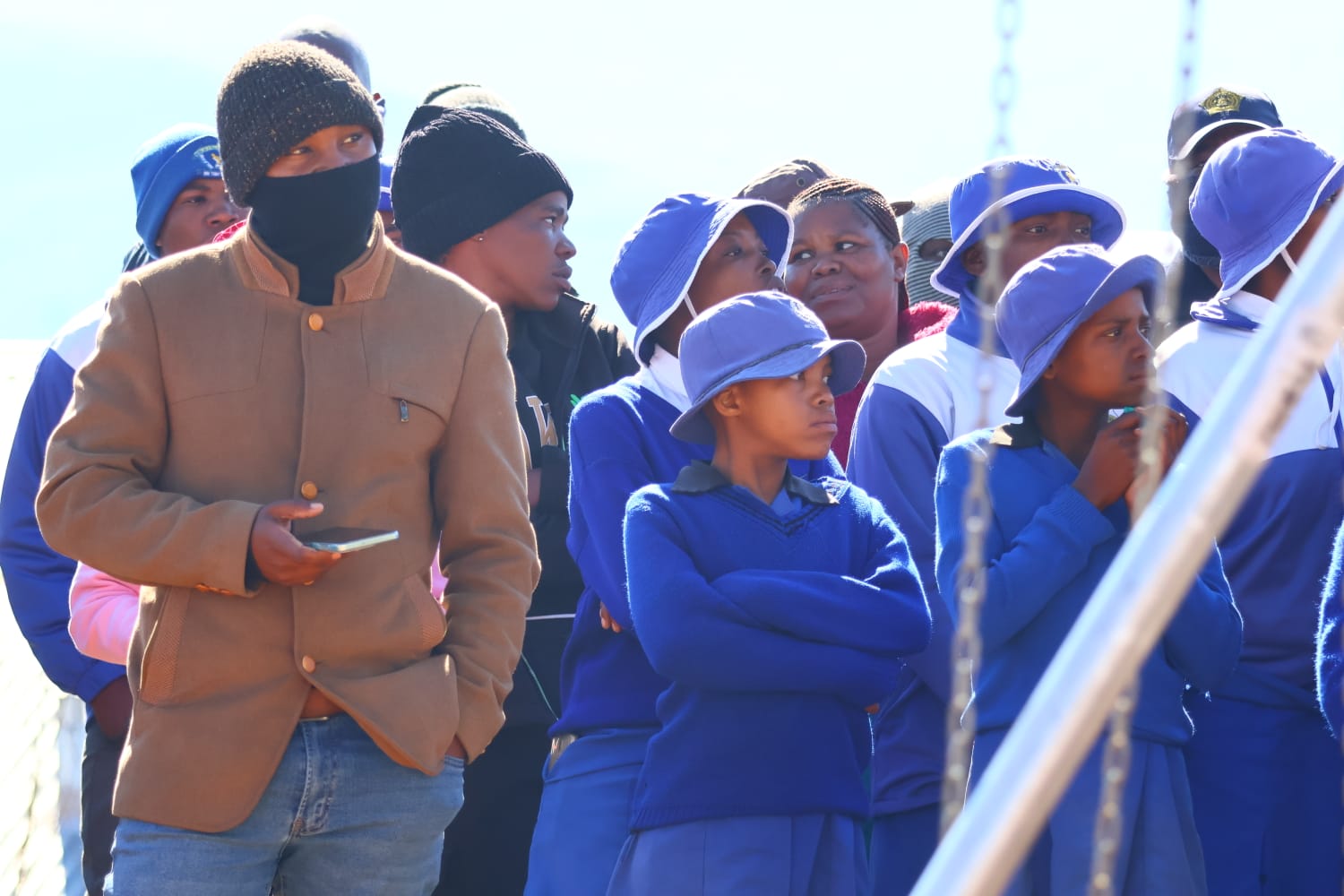
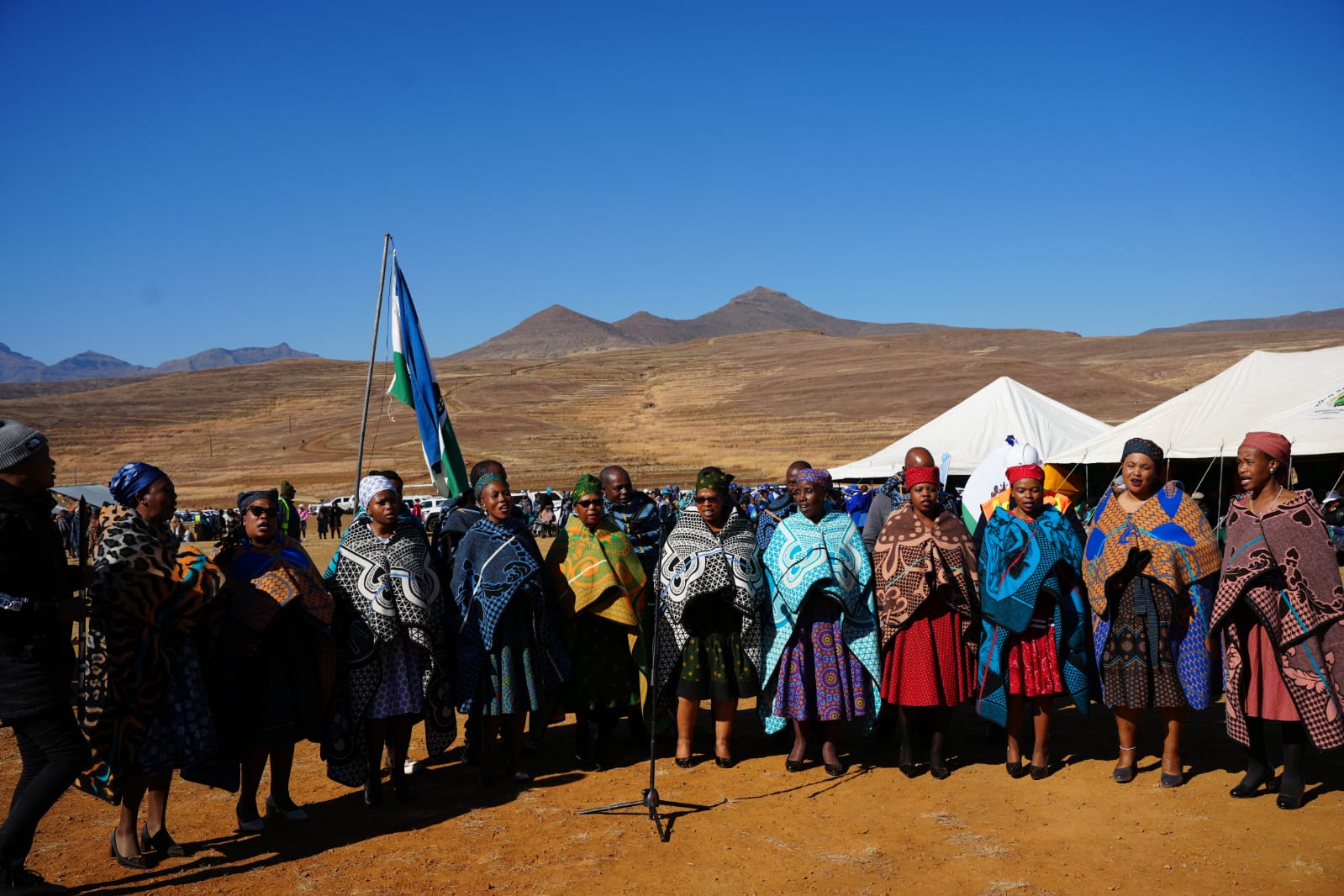
He said local entrepreneurs should be given fair opportunities to participate in the project and benefit from subcontracting arrangements.
“Let us work in unity, support one another and ensure quality work for sustainability,” he said.
Mr. Matekane also appealed to councillors to ensure that Basotho entrepreneurs benefit from the supply of construction materials such as sand and other resources required for the project.
“We want everyone involved here to benefit. Wherever large contractors are working, local entrepreneurs should also benefit,” he said.
Closing the event, Prime Minister thanked residents for their patience after years of enduring poor roads and inadequate infrastructure.
“Today your government has heard your longest outcry,” he said.
The Prime Minister revealed that he had also discussed internet connectivity at Melikane Combined School with the Minister of Communications.
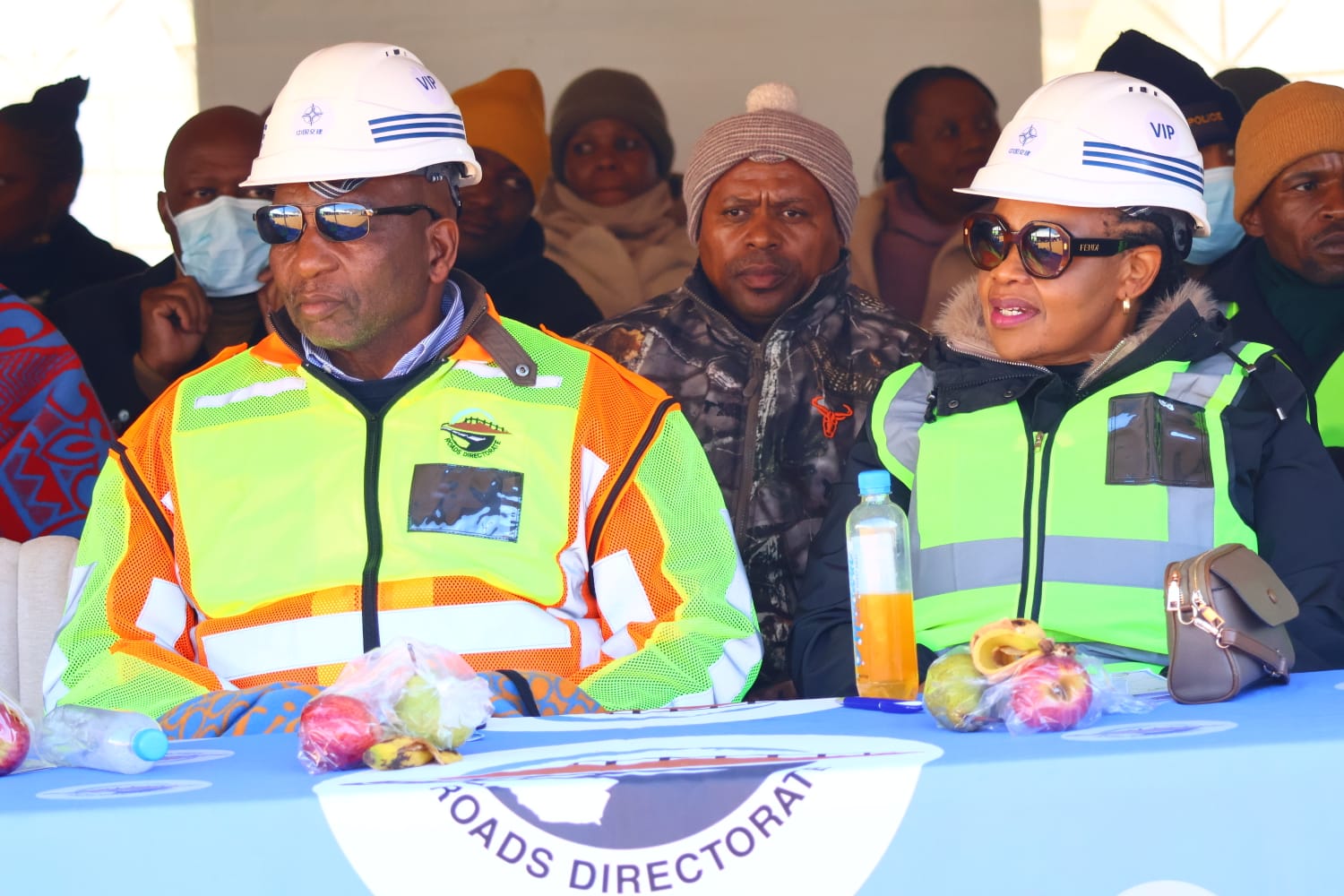
Public Works and Transport Minister Matjato Moteane said the Rural Accessibility Index showed that Qacha’s Nek and Thaba-Tseka remained among the least accessible districts in the country, contributing to poverty and limiting access to basic services.
Mr. Moteane confirmed that the contract had been awarded to China International Water and Electric Corporation.
“We have entrusted you with Lesotho’s biggest government-financed project. Treat it well and ensure that it benefits the nation,” he said.
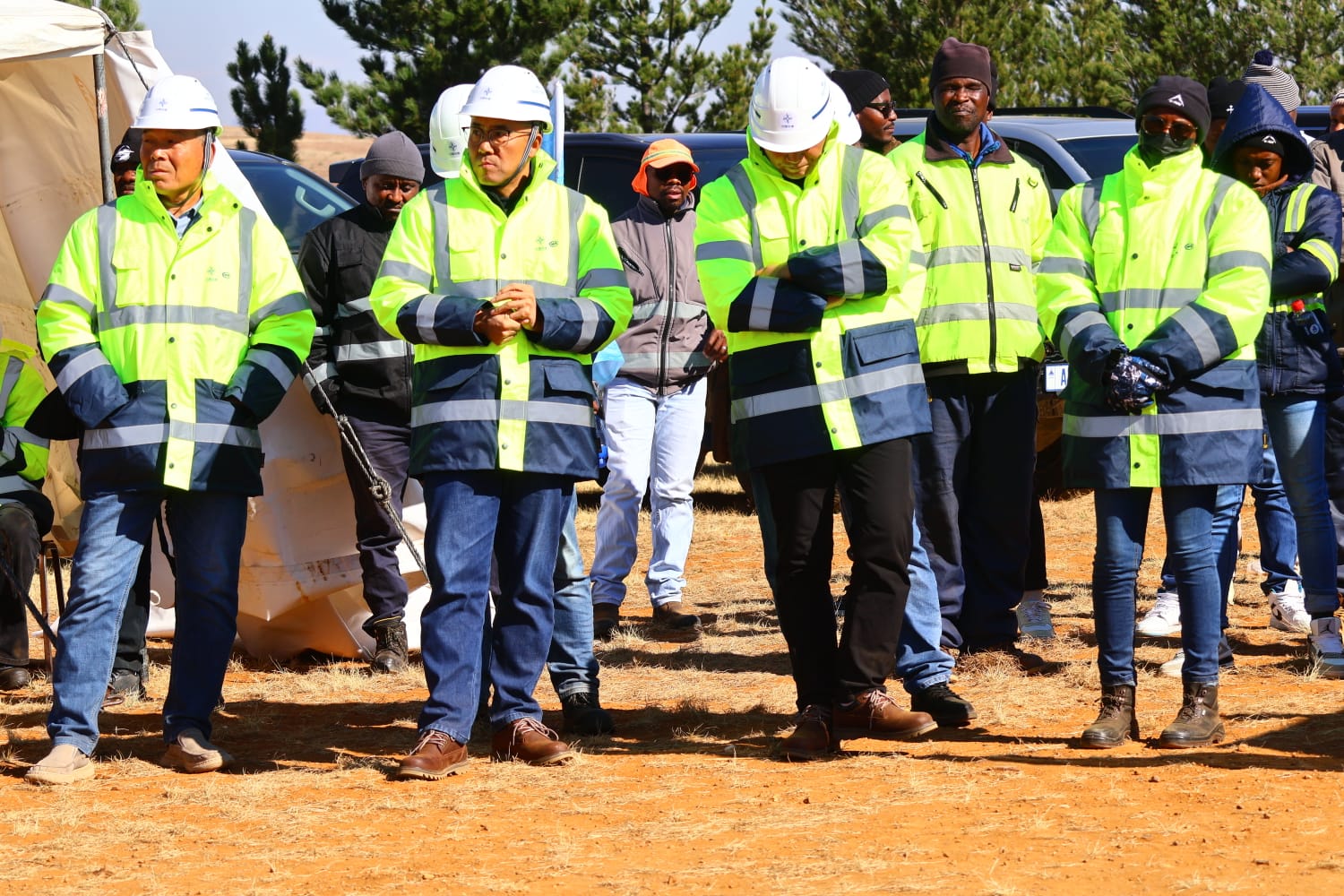
Speaking on behalf of the contractor, China International Water and Electric Corporation Regional Manager for the Southern Africa Region, Zhao Xudong thanked the government for entrusting the company with the project.
“We are proud to be part of a project that will improve transportation and bring benefits to the people,” Xudong said.
“Better roads and bridges will help people travel safely and easily while enabling communities to gain better access to schools, hospitals, markets and other services.”
He said the company has more than 70 years of history and has completed more than 1,000 projects in over 80 countries around the world.
“We are confident that in Lesotho all our efforts will be successful. We will use our experience and technical knowledge to deliver this project with high quality and in a safe and responsible manner,” he said.
Xudong acknowledged the importance of the project to the country and pledged close cooperation with the Roads Directorate, local authorities and other stakeholders.
“We are committed to working closely with the Roads Directorate, local authorities and all stakeholders to ensure the successful completion of the project,” he said.
He added that the company intends to support the local economy through employment creation and local procurement.
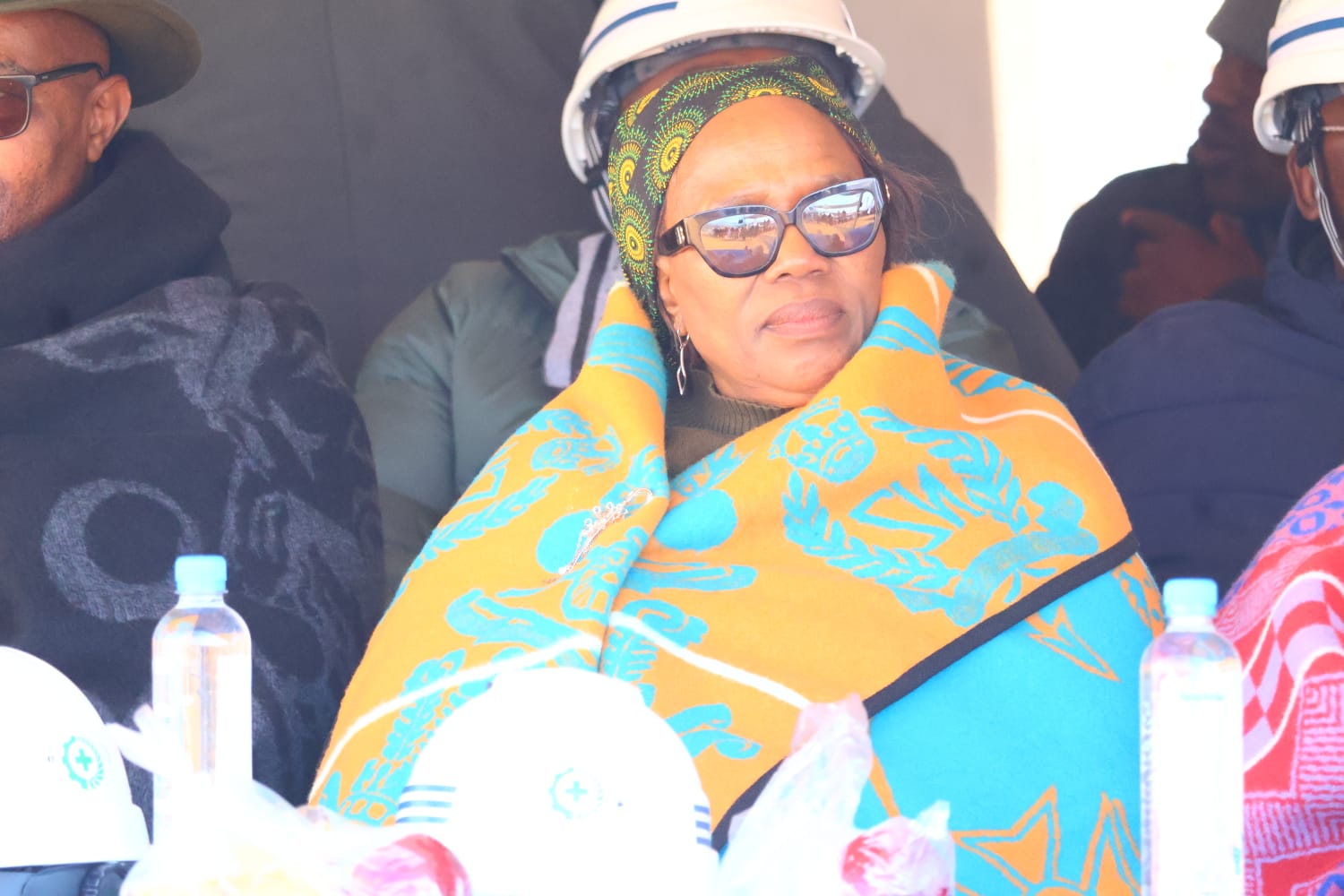
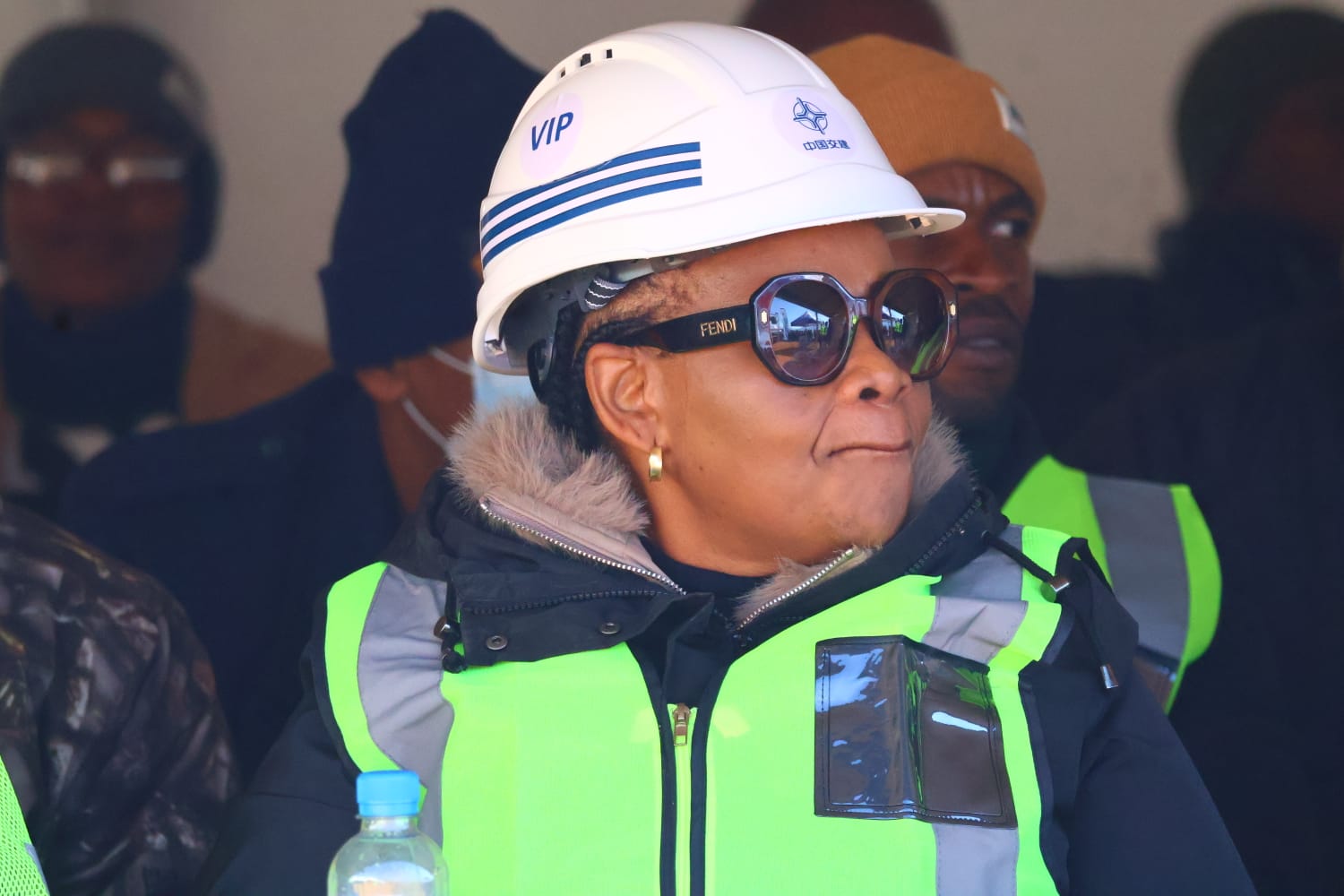
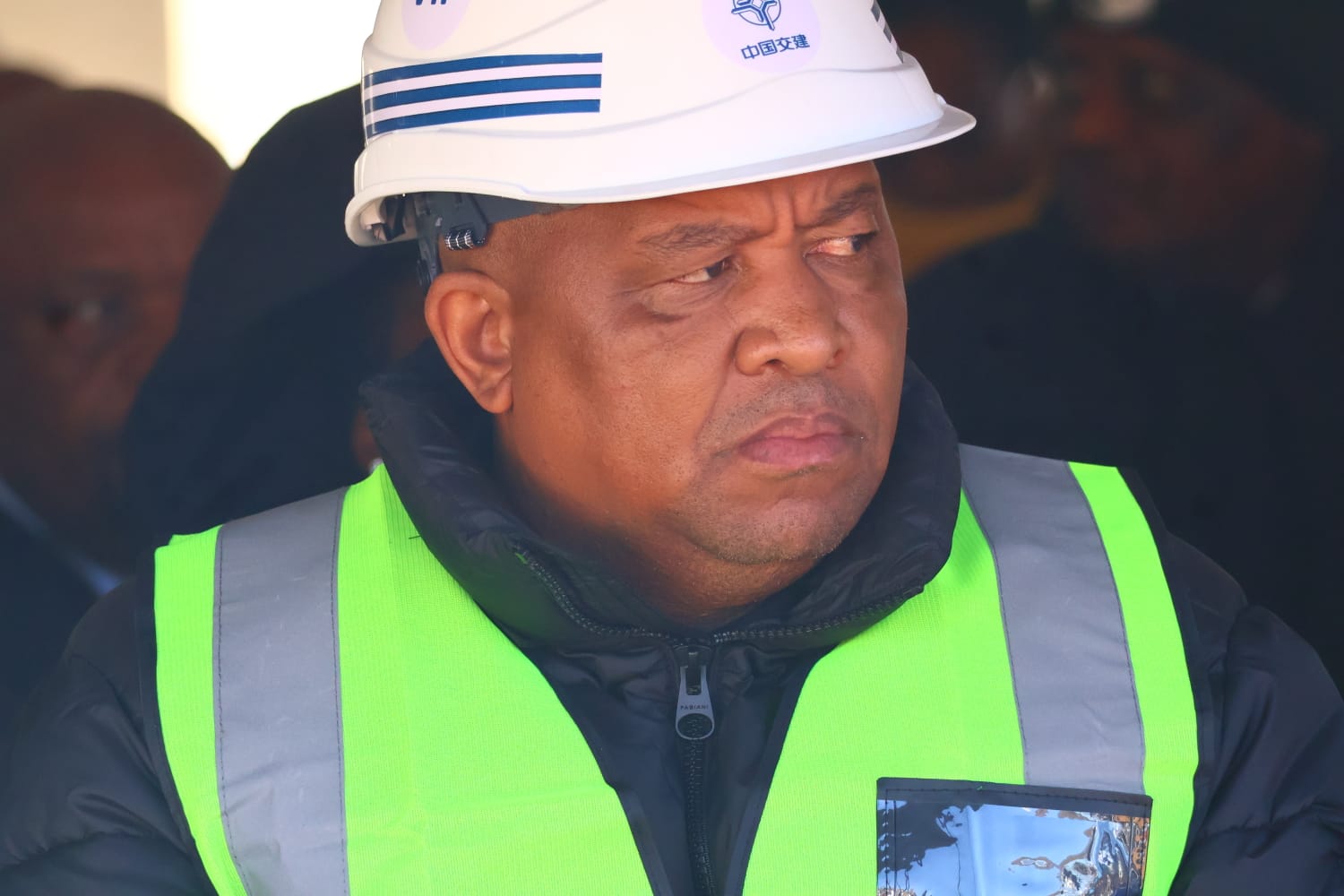
“We also hope to contribute to the local economy by creating employment opportunities and working with local suppliers wherever possible.”
He added: “As the project starts, we promise to do our best to complete the project on time, maintain high quality standards, protect the environment and ensure the safety of workers and the public.”
Quoting a Chinese proverb, Xudong said infrastructure development is often the foundation of economic growth.
“In China, we believe that if one wants to get rich, they should first build a road.”
“Wherever a road is built, fortune will come,” he said.
Xudong expressed hope that the project would bring prosperity and improved livelihoods to Basotho.
“We hope the successful completion of the project will bring peace, fortune and a happy life to all Basotho. We look forward not only to building a road and bridges, but also to building a strong partnership with the people. Thank you for trusting us.”
Natural Resources, Tourism and Land Cluster Committee Chairperson Lebohang Phohleli welcomed the project and pledged parliamentary oversight throughout its implementation.
“We have allocated resources to monitor progress and we will continue to return until the project is completed,” he said.
Lebakeng Member of Parliament Letsekang Moloi described the launch as the fulfilment of a long-held dream for local communities.
He recalled that residents had asked him in 2022 to lobby Parliament for the construction of the road and bridges linking the area to the rest of the district.
“We are thankful for this gift and this historic moment for the district, especially for Lebakeng people,” he said.
Moloi urged the contractor to avoid challenges experienced during previous road projects in Tsoelike Constituency, including delays in compensation payments and safety concerns affecting local residents.
“We are happy because our struggles will be a thing of the past. I am very happy,” he said.
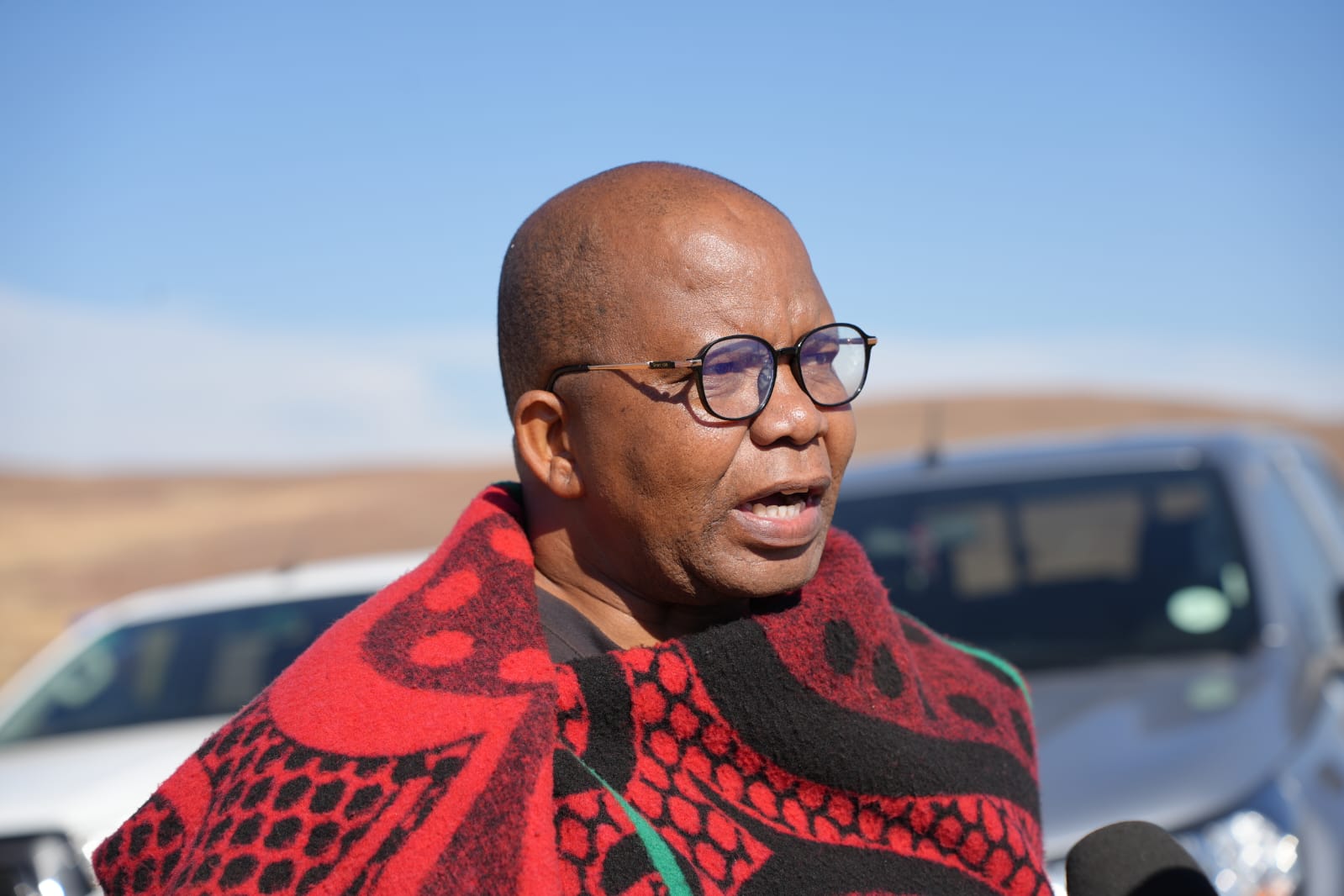
Qacha’s Nek Principal Chief Mojela Theko Makhaola welcomed the project and expressed hope that it would accelerate development in the district.
“We are happy with the progress and, slowly but surely, we will get where we want to be,” he said.
Nts’upe Community Council Chairperson Tefo Lehakoe expressed appreciation to all stakeholders and said the project would be most meaningful if it helped address unemployment.
‘Melikane Chief Leeto Khanya also welcomed the development.
“We are thankful because for the longest time Lebakeng did not have proper access roads. We did not expect this gift,” he said.
The chief said the current government is one that fulfils its promises rather than making empty ones.
For now, residents can only watch as work begins on a project that has generated high expectations across Lebakeng. The true measure of its success, however, will not be the promises made at the launch but whether the road and bridges are completed on time, to the required standard and deliver the improvements communities have long waited for.
Ends/MAPM/ml
