
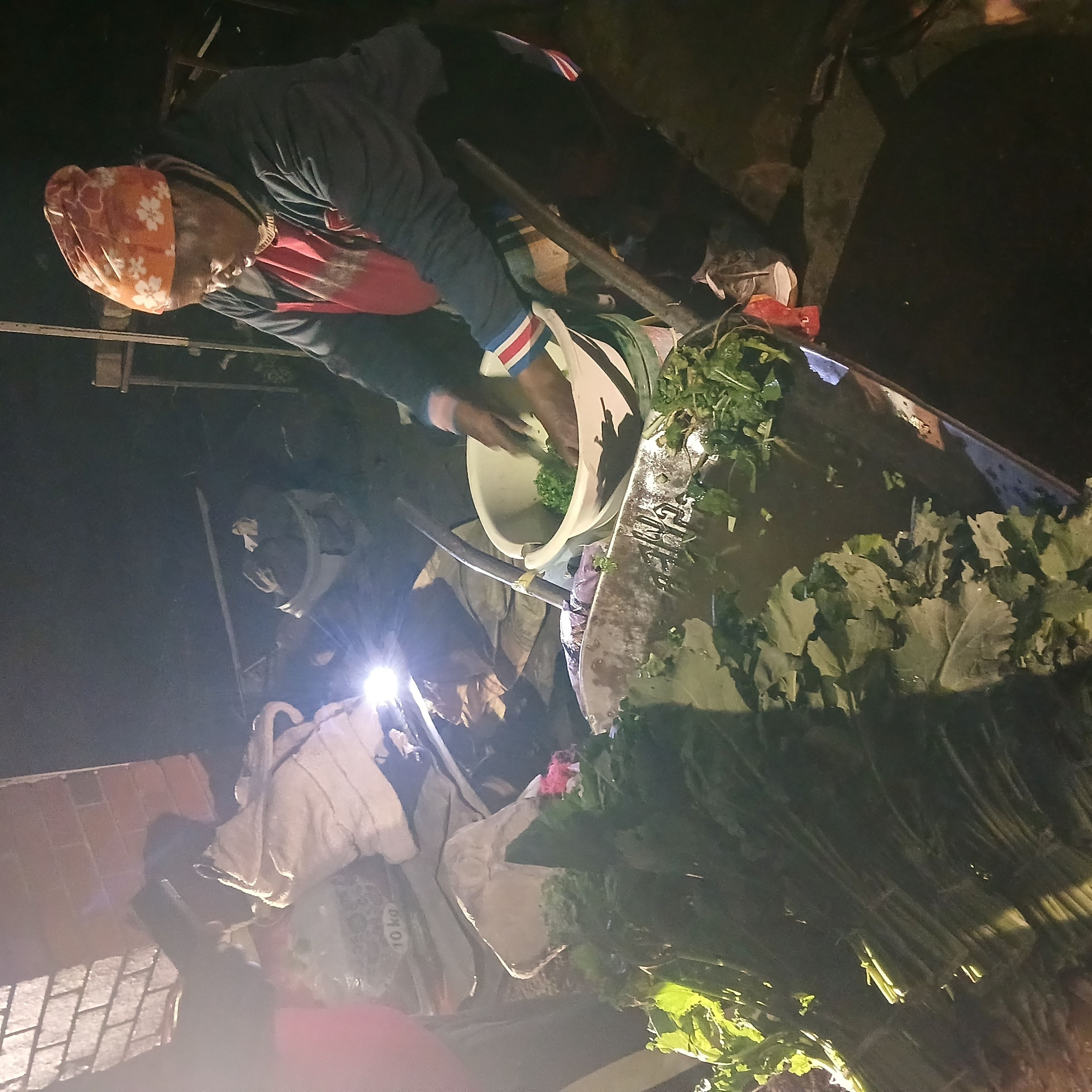
Qacha’s Nek, Nov. 18 — Every evening in Qacha’s Nek town, long after most stalls have closed and the streets begin to empty, two women remain behind.
Their tables are lit not by streetlights or lamps, but by the faint glow of their phone torches, the only light they have to keep their businesses alive.
Ms. Mokebe Thoola of Leropong and Mrs. ’Mamolise Mapola of Thifa, Sehlekehlekeng have become familiar silhouettes in the darkness. Their workday stretches far past the usual closing time, sometimes until 7:30 p.m., because that is when their customers come. And because survival does not allow them the luxury of leaving early.
There are neither streetlights nor public lighting of any kind. Just two women under the open sky, selling vegetables, roasted corn, socks, towels, and anything else that might bring a little income.
For Ms. Thoola, selling vegetables and basic essentials is more than a job, it is the pillar that has raised her two children, now aged 23 and 12.
She begins her day around 9 a.m. after finishing her housework, but she says in an interview with the Agency that mornings are slow and customers rarely come before midday. The real business happens later, when workers return home.
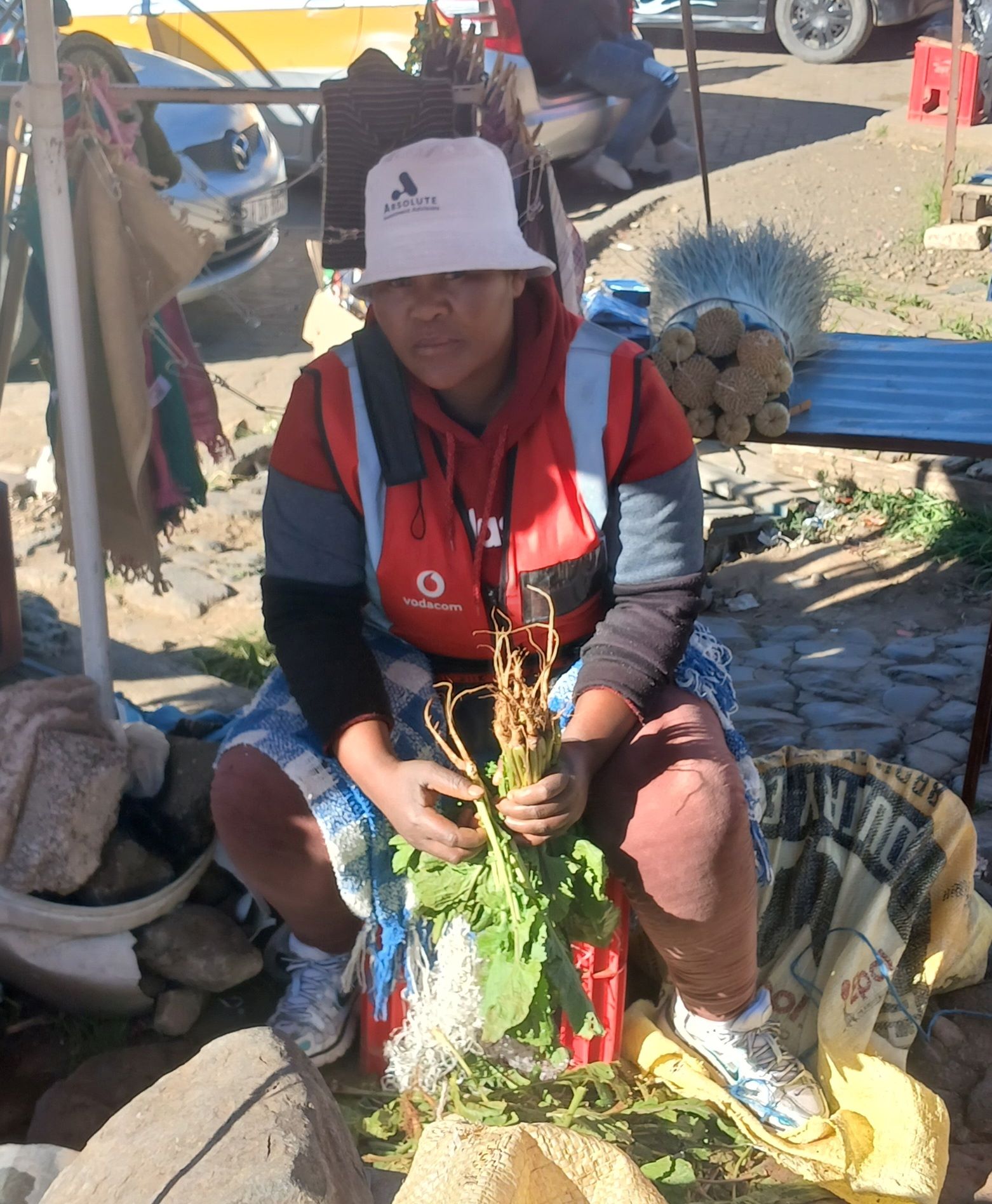
“I have been doing this for as long as I can remember. I do not regret working late as long as I get customers,” she said softly.
Her vegetables come from her own fields when the harvest is good, and from other farmers when it is not. She buys 10 bundles (mafupu) for about M100 and sells them for M12 each, hoping for a profit after a long day.
But competition has grown harsh. Farmers who once supplied vendors now sell directly from their cars.
“It makes it very difficult for us,” she said. “But this is the only way I know how to provide for my children.”
Weather is another battle. She has worked through strong winds, heavy rain and bitter cold. “There are days we go home without making a single sale. And the cold makes us sick.”
She said a good day used to bring more than M300. Now even the M200 is rare. Sometimes she makes just M50, barely enough for new stock.
Still, she stands there each evening, torch in hand, hoping for a customer.
“We need streetlights to work safely,” Ms. Thoola said. “We would not be using torches if we had another choice.”
Not far from her, Mrs. Mapola packs roasted corn and vegetables for late buyers heading home. She too has learned that her best customers come after work, and she cannot afford to miss them.
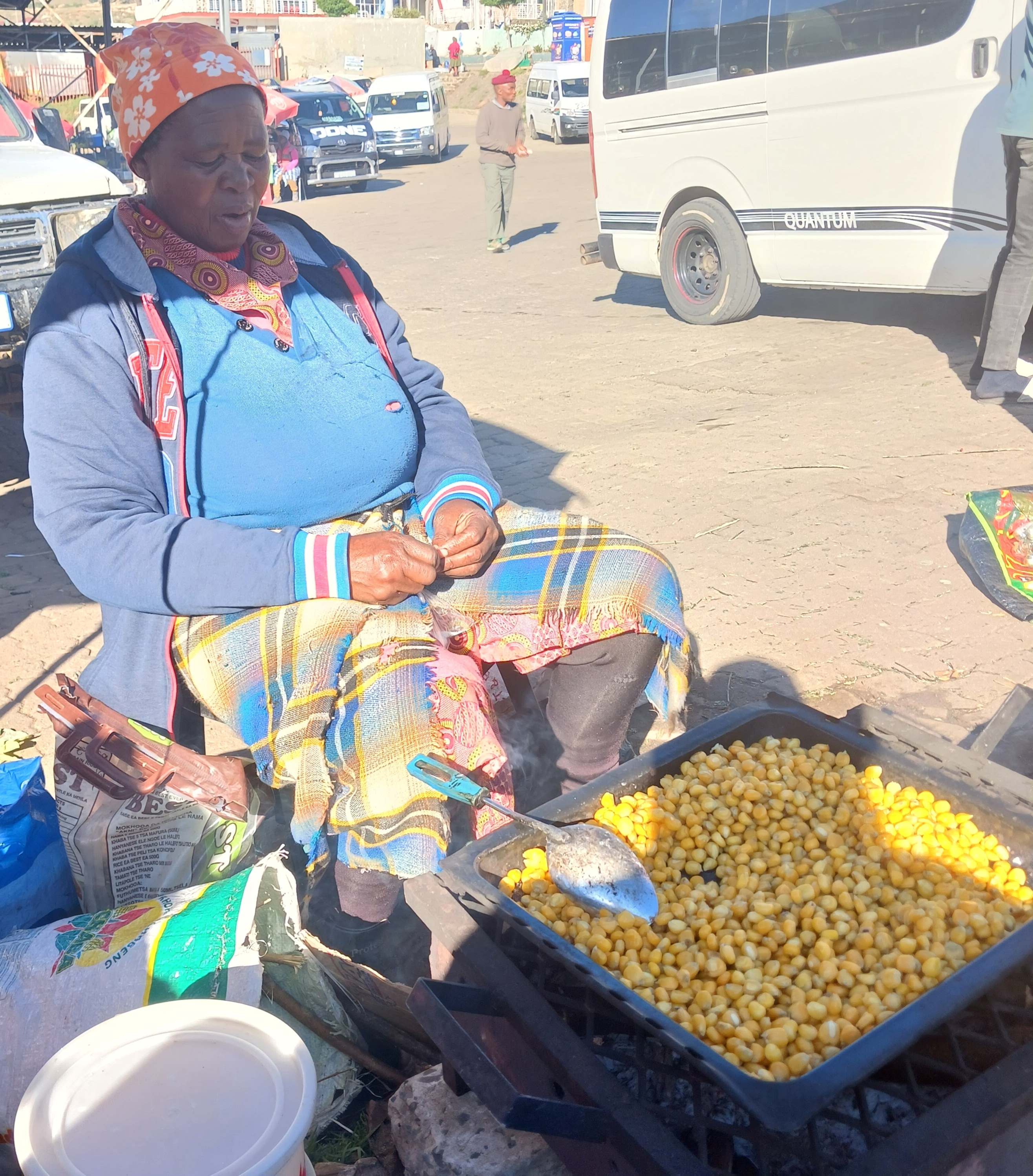
“I already struggle to find customers,” she said. “I have to stay late so I can buy basic needs. Hunger can push a person to do the unthinkable.”
She shares the same challenges: competition from civil servants who sell from their cars, harsh weather, and the heavy silence of dark evenings.
“Business is so bad that even making M50 is not easy,” she said.
Yet she stands there every day, believing that things might one day change.
When the sun disappears and the cold wraps around the quiet streets of Qacha’s Nek, their phones become lanterns. Their hands move in the darkness, passing vegetables, counting coins, offering greetings. Their determination lights the space more brightly than any bulb could.
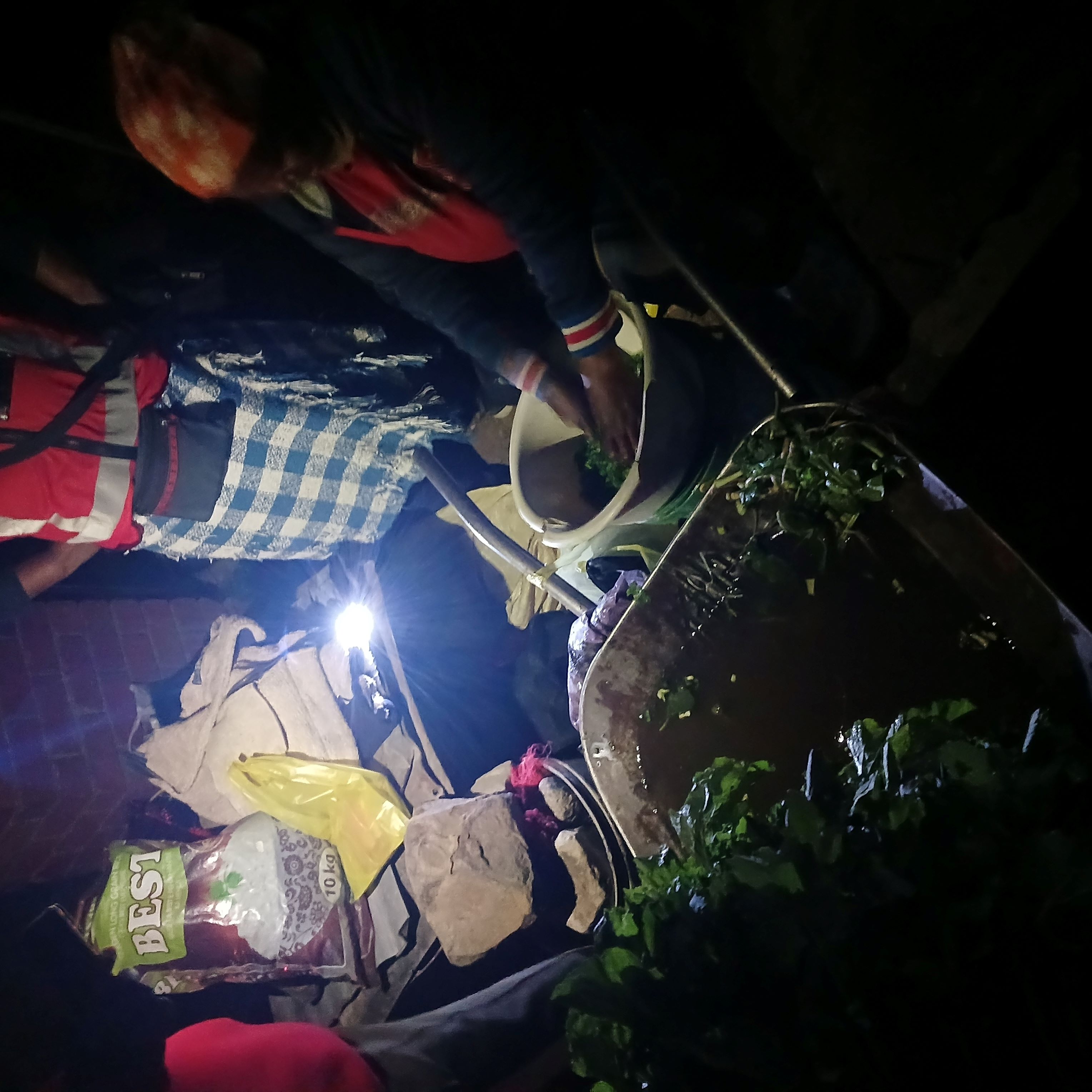
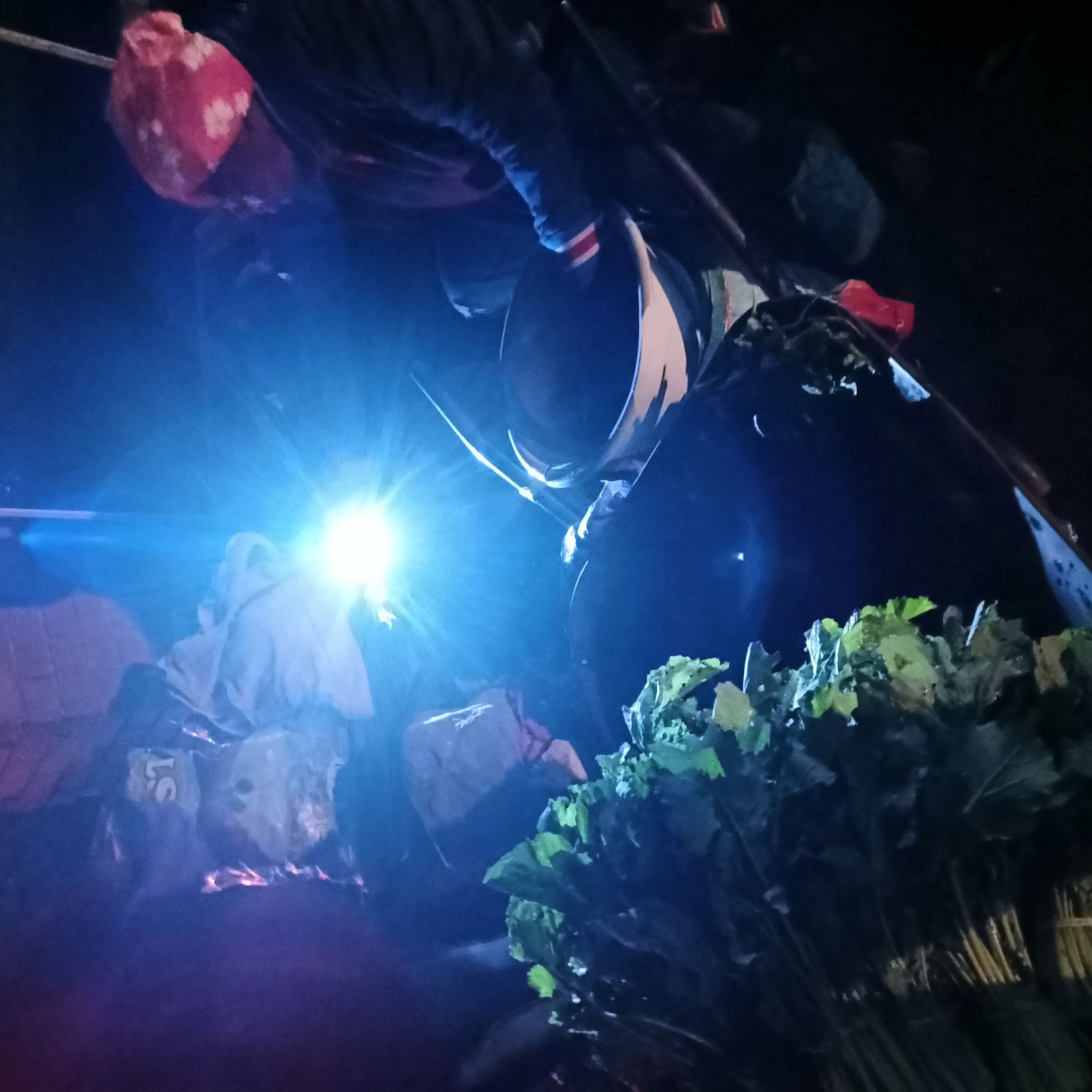
Still, the risks are real. Walking home with money in their pockets through pitch darkness feels dangerous. Working in that darkness feels even worse.
Mrs. ’Mabereng Lenkoane, Khathang Tema Baits’ukuli member and advisor to taxi rank street vendors, said she recently witnessed streetlights in Thifa, Leropong, and Ha ’Mamosa finally working after a long time.
“Lifofaneng was working as well, but not anymore. Around the taxi rank and town, we still don’t have any streetlights, and we really need them because the town is very dark,” she said.
She added that they submitted a request to the Urban Council for electricity in their business areas and street lights three years ago, but without success.
The newly appointed Urban Council Chairperson, Mrs. ’Mamothebesoane Mohale, said during a recent sitting that councillors had raised concerns about the need for streetlights around town.
“We are yet to meet with the relevant stakeholders about this matter in the coming weeks,” she said.
“We have recently maintained the existing streetlights to ensure they are functional, even though this maintenance exceeded the council’s budget. We will continue talks to find a way forward.”
Despite the challenges, Ms. Thoola and Mrs. Mapola continue to work every evening, torch in hand, for the sake of their families. Their determination underlines a larger issue, the urgent need for safe public infrastructure to support informal traders in Qacha’s Nek.
Ends/MAPM/ml
