

Qacha’s Nek, Nov. 18 — A 42-year-old man from Ha Sekake was found hanging in his room by his 39-year-old wife and their nine-year-old daughter.
Detective Inspector Thabo Setenane, head of the Criminal Investigation Division (CID) at Qacha’s Nek Police Station, confirmed the incident to the Agency, stating that the man had returned home from a stokvel gathering and found children playing.
He said the deceased then called his daughter and told her he was going to kill himself. “They found him hanging, with no note left behind,” he said.
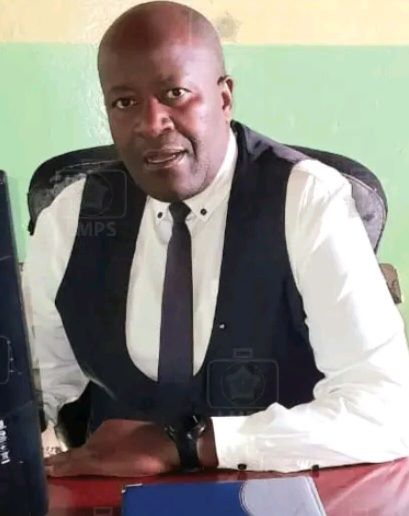
Detective Inspector Setenane revealed that the deceased was reportedly intoxicated at the time. He urged the community to moderate alcohol consumption, noting, “Maybe if he drank moderately, he wouldn’t have done such.”
Khanya Consultancy psychologist Mahlape Moremoholo explains that all suicides are linked to mental health, describing suicide as “a behaviour motivated by a desire to escape from unbearable psychological pain.” She emphasizes that those who contemplate or complete suicide often suffer from mental illnesses or face overwhelming social pressures, leading to a deep sense of hopelessness.
“People don’t kill themselves because they do not want to live anymore, but because they believe they have no other option,” Moremoholo said. “Suicide has become a serious public health problem.”
This view is backed by Psychcentral, a mental health resource, which links suicide to conditions like borderline personality disorder (BPD), depression, bipolar disorder, PTSD, substance use disorders, psychosis, stress, anxiety disorders, and eating disorders.
She said common warning signs include feelings of guilt, hopelessness, social withdrawal, and overt or subtle expressions of suicidal intent. “Most will express hopelessness, or say things like ‘I am better off dead’ or ‘I wish I could not wake up to the same pain,’” Ms. Moremoholo added. “It often starts with passive suicidal thoughts before escalating to ideation and planning.”
She notes that suicide risk is often the result of interconnected factors, such as financial difficulties leading to depression and isolation.
She said barriers to seeking help include stigma, fear of judgment, and financial constraints.
“Private consultations are expensive, and government health centres focus more on HIV/AIDS counselling, with a lack of psychotherapists,” she said. “Fear of being labelled or dismissed also prevents people from reaching out.”
Ms. Moremoholo emphasizes that therapy is one of the most effective interventions, and that community-based economic support and opportunities for people to share their stories can instil hope.
“Unfortunately, many people do not seek help due to lack of information or fear of stigma, leading to silent suffering and, in some cases, suicide,” she said.

This tragedy is not an isolated case in Lesotho. Suicide remains a hidden epidemic, ranking seventh among the leading causes of death in the country. According to the World Health Organization (WHO), Lesotho has the highest suicide rate in the world, with 1,539 deaths, 4.62 percent of all deaths in 2022. The age-adjusted suicide death rate is a staggering 87.48 per 100,000, making Lesotho number one globally.
A 2016 study led by Dr. Daniel Vigo of the Harvard School of Public Health found that one-fifth of Lesotho’s 2.2 million people suffer from some form of mental illness, the highest rate among countries where Partners In Health operates.
Despite the crisis, Lesotho is still governed by a 1964 mental health law. A government attempt to update the law a decade ago failed, but in 2024, the government finally approved the Ministry of Health (MoH)’s new Mental Health Policy and Strategic Plan (2023–2027), aiming to align with the WHO’s call for global mental health reform.
The government has also launched helplines: Lifeline (22312231) and MoH Support Line (80022333).
The heartbreaking loss of a man in Qacha’sNek is a wake-up call for the community and the nation. As Lesotho confronts the world’s highest suicide rate, breaking the silence and prioritising mental health support must become an urgent national mission. Only then can further tragedies be prevented and hope renewed.
Ends/MAPM/ml
