
Qacha’s Nek, April 14 — In a significant step toward safeguarding Lesotho’s biodiversity, theMinistry of Environment and Forestry (MEF), through the Department of Environment, inpartnership with the United Nations Development Programme (UNDP) Lesotho, has establisheddistrict and community-level sub-committees for the Access and Benefit Sharing (ABS) Project.
This initiative forms part of the national project titled “Promoting Conservation, SustainableUtilisation and Fair and Equitable Benefit Sharing from Lesotho’s Medicinal Plants forImproved Livelihoods,” funded by the Global Environment Facility (GEF).
The newly formed district committee, comprising 16 members and led by the District Administrator, will focus on key responsibilities, including coordination, project oversight, planning, and the integration of Members include government officials and representatives from non-governmental organisations.
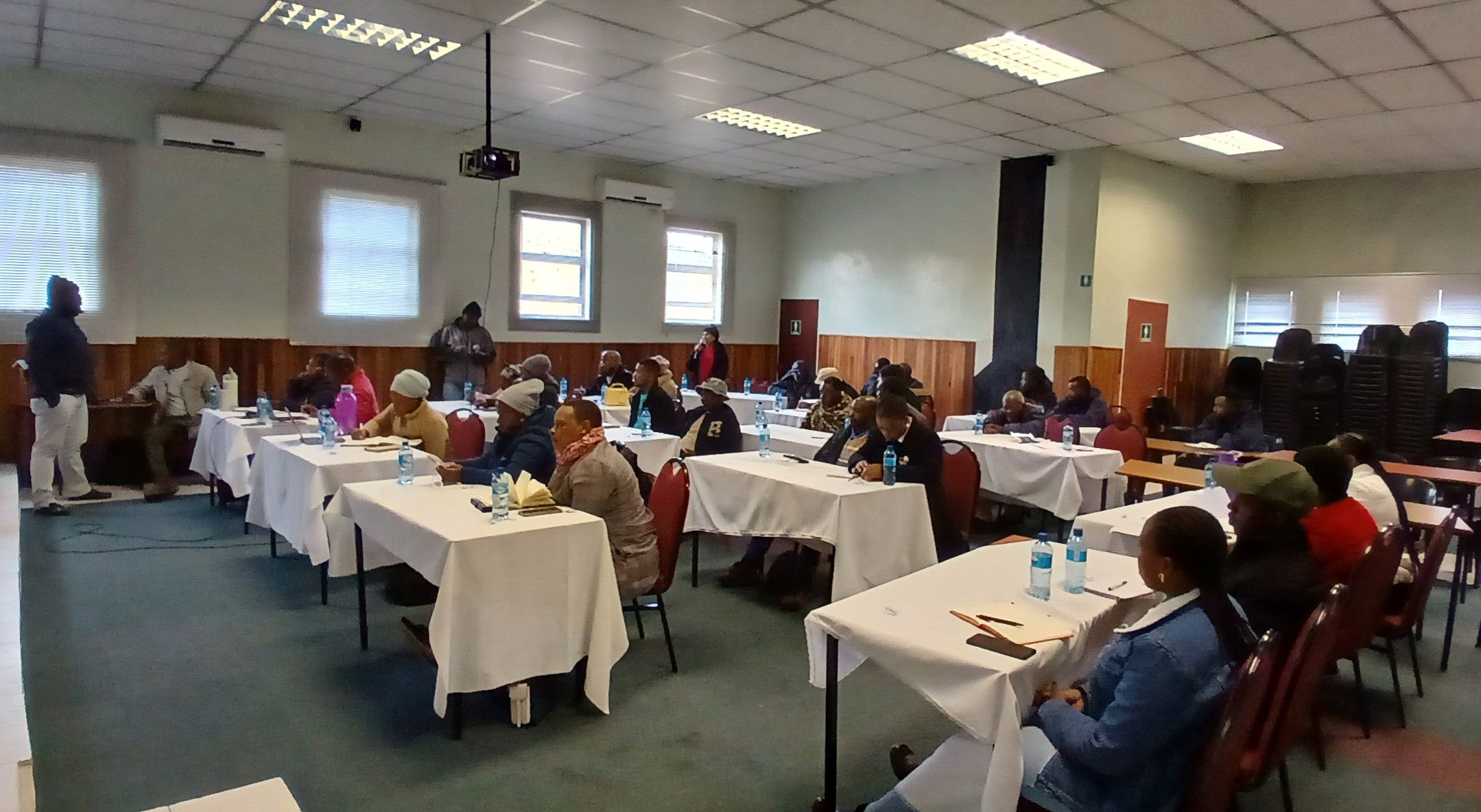
At the grassroots level, a 13-member committee chaired by the District Environment Officer willplay a critical role in monitoring resource use, managing benefits, developing local guidelines,and identifying valuable genetic resources and indigenous knowledge among others.
The committee brings together chiefs, police, Lesotho Defence Force (LDF) members,traditional practitioners, and marginalised groups such as herders.
According to MEF ABS Project Manager, Mr. Lebone Molahlehi, the committees will guide theimplementation of the four-year project, which will run until 2029 under the District Administrator’s office.
The project will focus on Sehlabathebe, particularly Sehlabathebe National Park, andsurrounding communities. Its aim is to raise awareness about environmental conservation andempower local communities to protect the park as a national heritage site.
“Wildfires remain a recurring challenge in the park, and this project seeks to strengthen prevention efforts alongside existing ministry’s interventions,” said Molahlehi.
He added that the project emphasizes proper access and benefit sharing to ensure biodiversity is utilized responsibly, guided by laws and regulations, which are essential for meeting ABS requirements. Beyond Qacha’s Nek, the initiative will also extend to Leribe; Ts’ehlanyane National Park, Bokong Nature Reserve, and Quthing; Lets’a la Letsie.
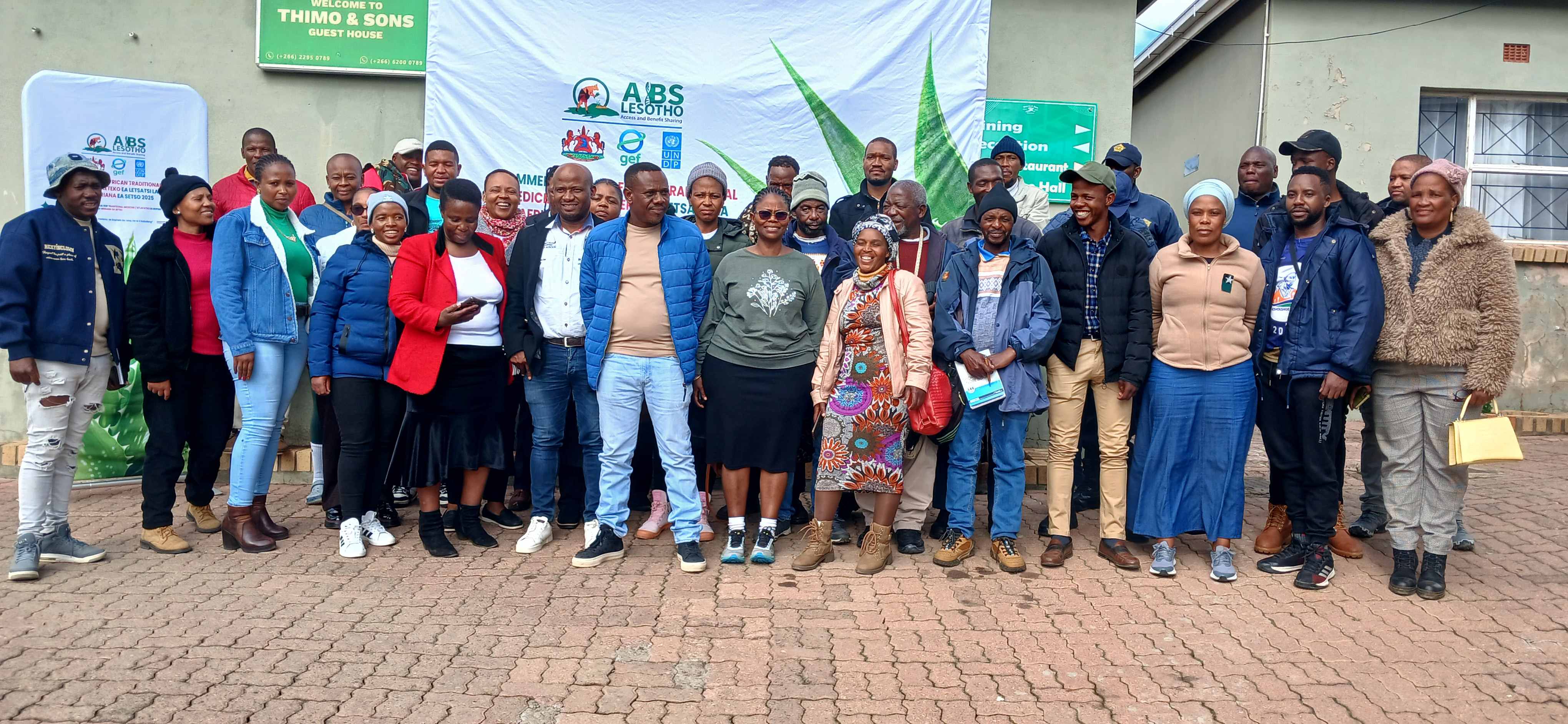
As part of the next steps, he said continuous capacity-building workshops will be rolled out toensure all stakeholders clearly understand their roles and responsibilities.Participants welcomed the initiative, highlighting both its relevance and impact.
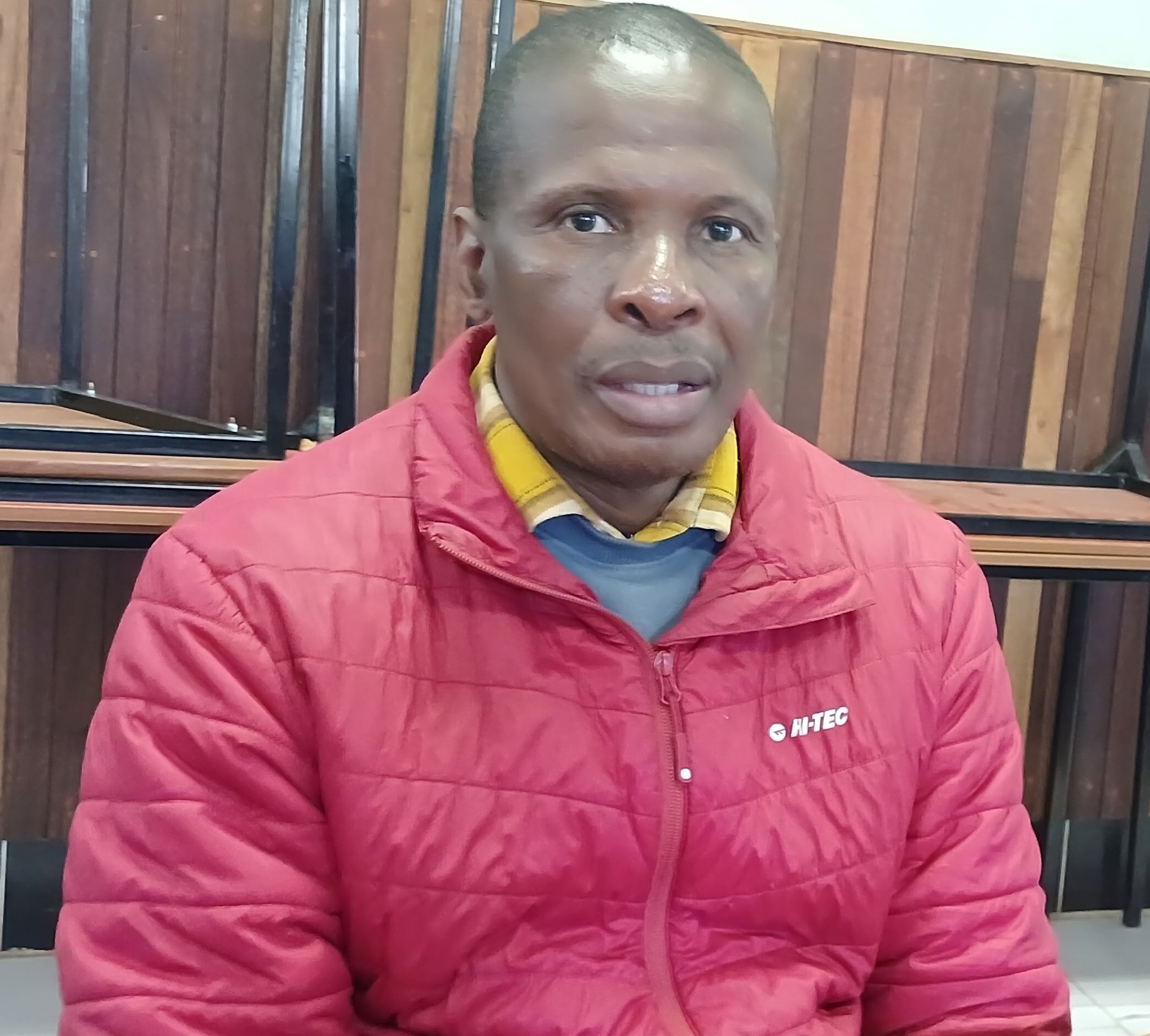
Police ConstableMosoansoanyane Mohasi from Qacha’s Nek Police Station described the workshop as eye-opening, noting ongoing challenges in regulating traditional healers, particularly those operatingwithout certification.
Meanwhile, traditional healer and initiation school owner Mrs. ’Maaria Koali praised the project,emphasizing its importance for communities that rely heavily on medicinal plants.
She called fortargeted capacity-building programs for initiation schools, where awareness and education
remain limited.
The establishment of these committees marks a crucial turning point in Lesotho’s efforts to
balance environmental conservation with community livelihoods.
By placing local communities at the heart of decision-making, the ABS Project not only protects
the country’s natural heritage but also ensures that its benefits are shared fairly and sustainably.
With continued collaboration, education, and commitment, this initiative has the potential to
transform how Lesotho values and preserves its medicinal plant resources for generations to
come.
Ends/MAPM/ml
