
Maseru, Feb. 16 — The Ministry of Health, through Public Relations Officer (PRO), Mrs. Mateboho Mosebekoa, has emphasized the importance for Basotho to maintain their vaccination status before traveling to South Africa (SA) and other malaria prone countries. This advisory follows a reported increase in malaria cases in the KwaZulu-Natal province over recent weeks.
Mrs. Mosebekoa stated that while KwaZulu-Natal has historically been susceptible to malaria, it remains crucial for every Mosotho planning to visit malaria-endemic regions to take necessary preventative medication prior to departure.
In January of this year, the Mpumalanga Department of Health documented 314 confirmed malaria cases, a significant rise compared to 69 cases during the same month last year. The Ehlanzeni district has been identified as the most affected area, with the Nkomazi municipality reporting the highest incidence, followed by Mbombela and Bushbuckridge.
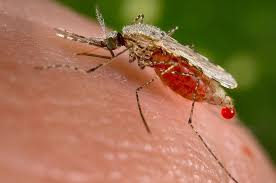
The increasing malaria cases are largely attributed to flooding in January, which created optimal breeding conditions for Anopheles mosquitoes. Mpumalanga province, located in Eastern SA, shares borders with Swaziland and Mozambique and hosts a considerable number of Basotho working in the area.
On January 17, South Africa declared a national state of disaster following 37 reported malaria-related fatalities. Health officials have issued warnings about the potential for heightened malaria incidents to persist through March and April, even after a reported decline in the second week of February.
Dr. Nthabiseng Matla, a physician in SA, elaborated that malaria in humans is caused by five species of single-celled eukaryotic Plasmodium parasites transmitted through the bites of Anopheles mosquitoes. Once inside the host, these parasites multiply in the liver cells before invading red blood cells, where they trigger malaria symptoms.
Malaria symptoms can be classified as asymptomatic, uncomplicated, or severe. Dr. Matla noted that symptoms typically emerge seven to ten days following the initial mosquito bite and may include fever, severe chills, sweating, headache, nausea, vomiting, diarrhea, and anaemia, without clinical signs of severe organ dysfunction. In cases of severe malaria, complications may include critical anaemia, end-organ damage, coma, pulmonary issues, acute kidney injury, and even mortality.
Ends/MP/tl
