
MASERU, Lesotho, Aug. 06 — Minister of Trade, Industry, Business Development and Tourism says the United States (U.S) tariff regime is unfair to developing countries such as Lesotho, and has dealt a heavy blow to the country’s textile industry.Mr. Mokhethi Shelile said services such as Microsoft licenses, for which Lesotho pays millions of dollars annually, have been overlooked by Washington.
He also highlighted that some U.S. goods enter Lesotho via South Africa and are mistakenly omitted from its import figures.The U.S. tariff policies, centred on the export and import of goods, has been criticized for overlooking U.S. services exported to the rest of the world.
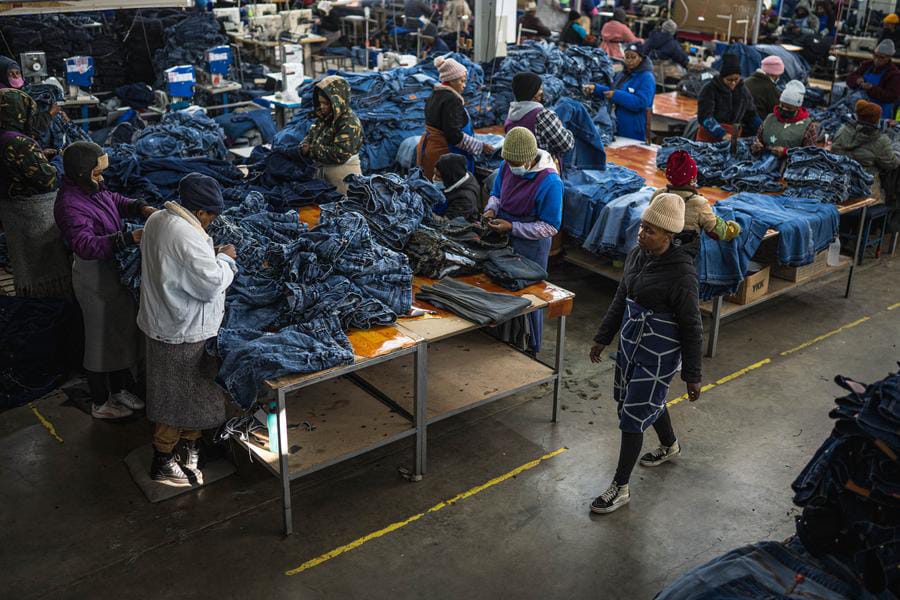
The U.S. economy is predominantly services-based.Lesotho is one of Africa’s largest garment exporters to the United States. Its textile industry remains a key pillar of its economy and a major source of formal employment, providing around 40,000 jobs, according to the International Organization of Employers.
Mr. Shelile cautioned that the lay-offs caused by U.S. tariffs could have a ripple effect on sectors such as transportation and real estate, potentially undermining social stability.
Last month, Lesotho declared a national state of disaster over its “high rates of youth unemployment and job losses” triggered by the U.S. tariff hike.The country is grappling with poverty and high unemployment, as the youth jobless rate rises to 48 percent, local media reported.
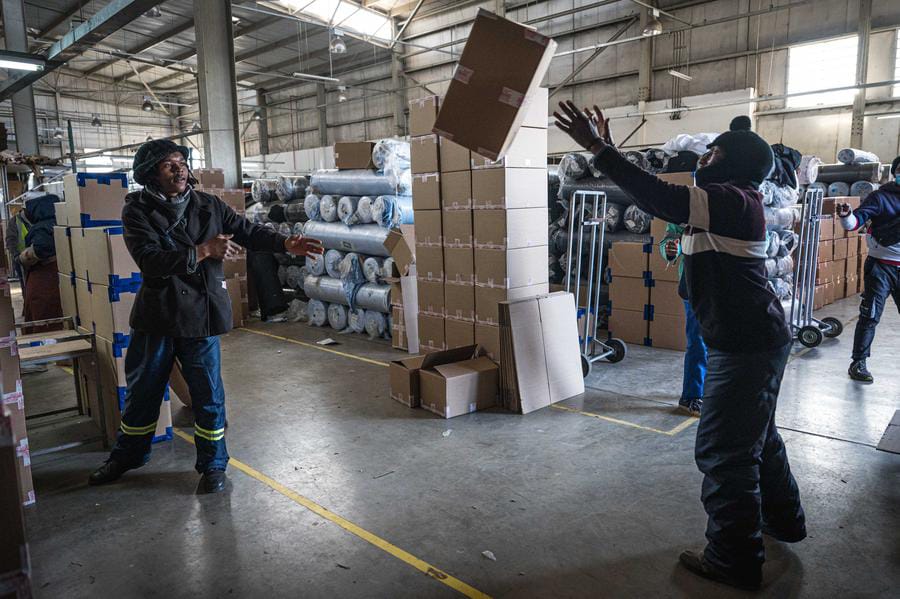
Mr. Shelile said the U.S. unilateral imposition of discriminatory tariffs “disrupts global supply chains and forces African nations to negotiate as blocs.”
He added that Lesotho is actively working to diversify its markets by deepening ties with South Africa, tapping into the African Continental Free Trade Area, and pursuing trade and investment partnerships with China, Nigeria, the European Union and other economies.
He revealed that Lesotho had formally requested a waiver or reduction of the U.S. tariffs.
He added that since Washington insists on negotiating with sub-Saharan African countries except South Africa as a single bloc, talks can only proceed indirectly at this stage. “We are making every effort to safeguard our national interests, but the outlook of the upcoming tariff policy remains uncertain,” he said.
Moreover he said, “through export diversification and deeper regional trade and investment cooperation, we are confident that by this time next year, we will have overcome current challenges and put the economy back on a path to recovery and renewed growth.”
Meanwhile, on August 01, President Trump announced new tariffs in which Lesotho got a reduction from the initial 50 percent to 15 percent. The announced tariffs will go into effect on August 07.
Ends/AT
SOURCE: Xinhua
