
QACHA’S NEK — Basotho have long believed that when a cow dies, it should be fed to people rather than go to waste. But amid the Foot and Mouth Disease (FMD) outbreak in Lesotho, authorities are now warning communities not to eat dead cattle.
“The death of a cow is no longer the mouth,” said the Ministry of Agriculture, Food Security and Nutrition (MAFSN) District Agricultural Officer (DAO) Mrs. Nyakallo Pokocho during a peaceful awareness march led by MAFSN on Thursday.
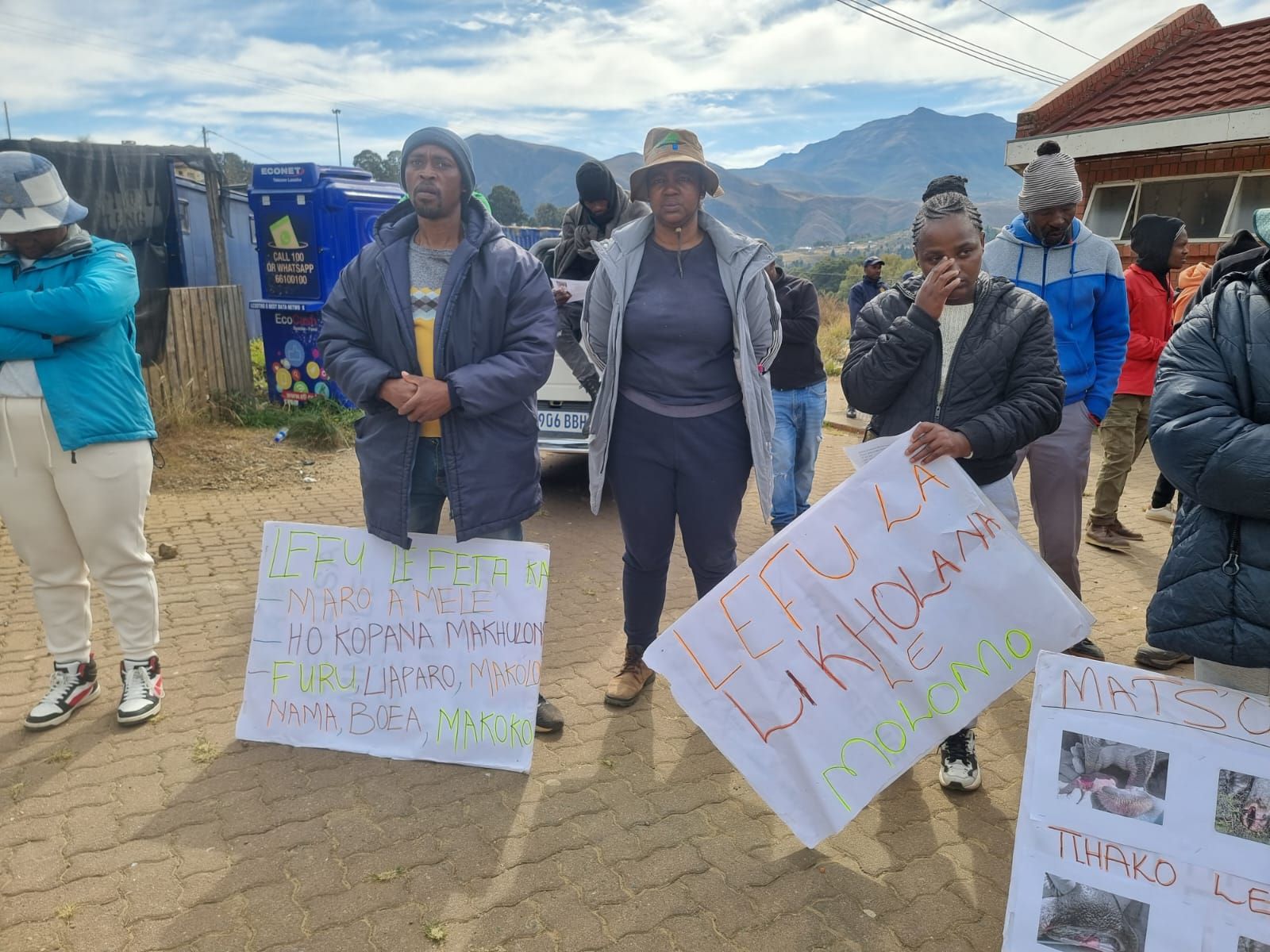
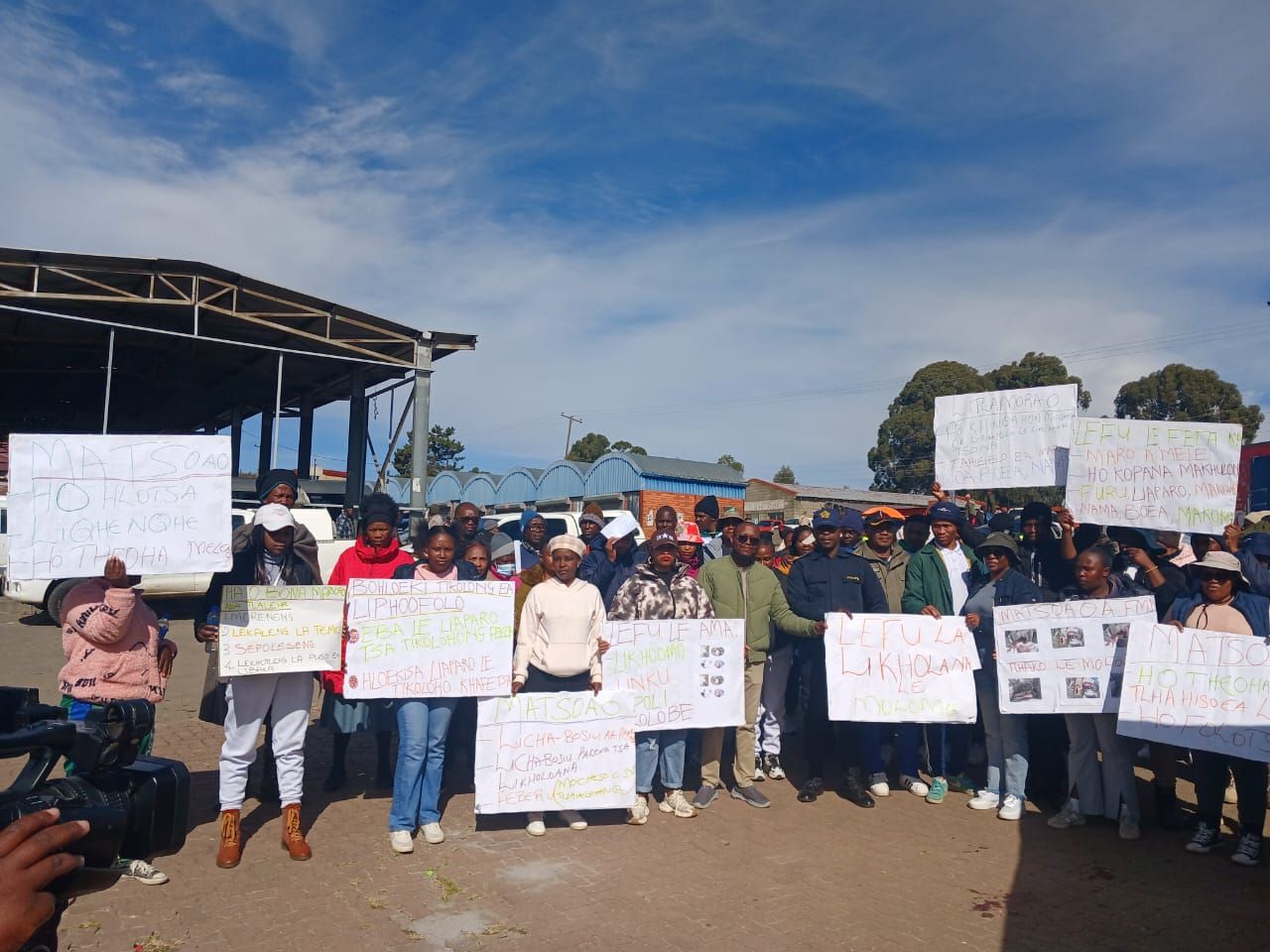
The march, held from Mats’ela-habeli to the taxi rank, brought together government officials, farmers and residents carrying placards warning about symptoms of FMD such as excessive drooling, mouth sores, fever and blisters on animals’ feet, while also identifying cattle, sheep, goats and pigs as the livestock most vulnerable to the disease.
Mrs. Pokocho warned that communities must change long-standing practices and work together to stop the spread of the highly contagious disease, which continues to threaten livestock, trade and household livelihoods across the district.
She said after the Prime Minister declared the FMD outbreak a national emergency, the district established a task team chaired by the District Administrator (DA). The team includes MAFSN, the Disaster Management Authority (DMA), Lesotho Defence Force (LDF), police, the livestock department, and environment and forestry officers.
“As a team, we are worried because of some farmers’ behaviour, yet this outbreak will affect their own income,” she said. “Many families survive through livestock and right now we do not even know when wool and mohair will be sold again.”
She warned that hunger and financial hardship could worsen if communities continue illegally moving red meat and livestock and ignoring regulations. “Hunger results in crime,” she said while appealing to residents to cooperate with authorities and follow preventative measures.
Mrs. Pokocho said the infections in the district originated from livestock mixing between Qacha’s Nek and Matatiele farmers. According to her, infected animals were later brought back into Lesotho, exposing local livestock to the disease.
“Mistakes have happened. Now, let us work on correcting them and think twice about herding livestock in Matatiele. Let us stop importing red meat and animals illegally,” she said. “We are trying to control movement within the district to avoid the spread of the disease. Together, we can end this,” she said.
She further urged farmers to cooperate with veterinary officials when samples are needed for testing and vaccine procurement.
“We will never get help if farmers continue refusing officials’ access to their animals. The disease will continue spreading if people refuse to cooperate,” she said.
District Veterinary Officer, Dr. Bokang Lefa, said the first case of FMD in Qacha’s Nek was recorded in Mosaqane in February 2026. Although current confirmed cases involve cattle, he warned that sheep, goats and pigs are also vulnerable.
Dr. Lefa explained that FMD is a highly contagious transboundary animal disease with major economic consequences. “When reports are confirmed, borders were immediately closed to prevent the movement of affected animals,” he said.
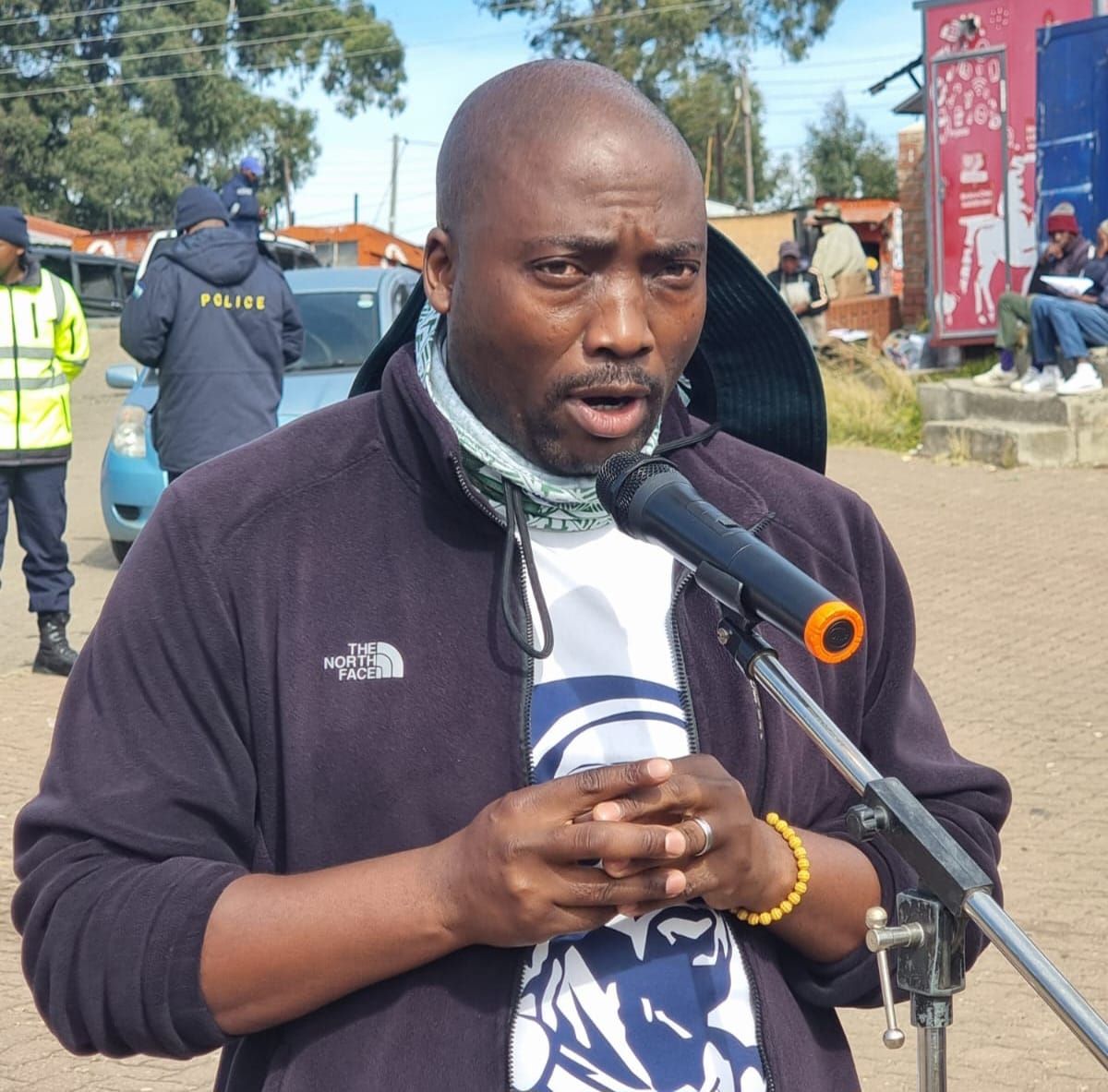
He explained that the disease spreads not only through direct contact between animals, but also through contaminated grazing fields, clothing, shoes, vehicles and animal feed. “Even after days or months, healthy animals grazing where infected animals once grazed are at high risk of becoming infected,” he said.
Dr. Lefa urged farmers to isolate animals showing signs of illness and immediately report suspected cases to chiefs, councillors and veterinary officials. “We will take it from there as the ministry,” he said.
He stressed the importance of strict biosecurity measures, including limiting movement around livestock areas, using protective clothing and disinfecting vehicles with chemicals such as bleach instead of ordinary soap and water. “If a vehicle leaves to collect animal feed, it must be disinfected properly before returning,” he said.
Dr. Lefa also noted that Lesotho does not manufacture FMD vaccines and relies on neighbouring countries such as Botswana. Different strains of the disease require different vaccines, making the response even more challenging. “This remains a major challenge,” he said.
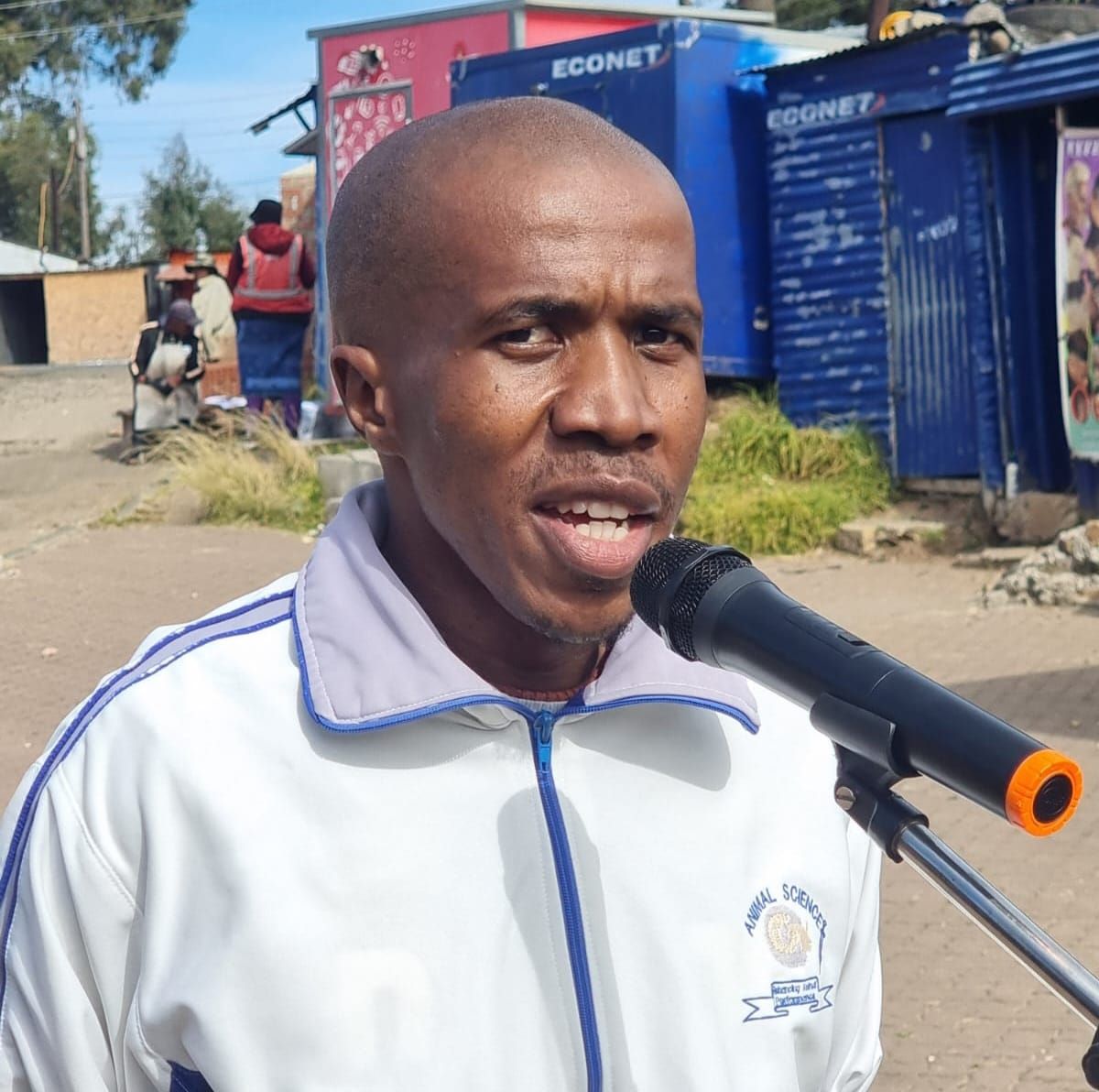
District Animal Production Officer, Mr. Mohapi Lits’oane, said the outbreak affects everyone, including people without livestock. “Even if you do not own animals, help those who do by sharing information,” he said.
Mr. Lits’oane warned that uncertainty surrounding wool and mohair sales could severely affect household incomes in the district. “In businesses, people buy goods using money earned from livestock sales. If farmers fail to sell, families will struggle to survive,” he said.
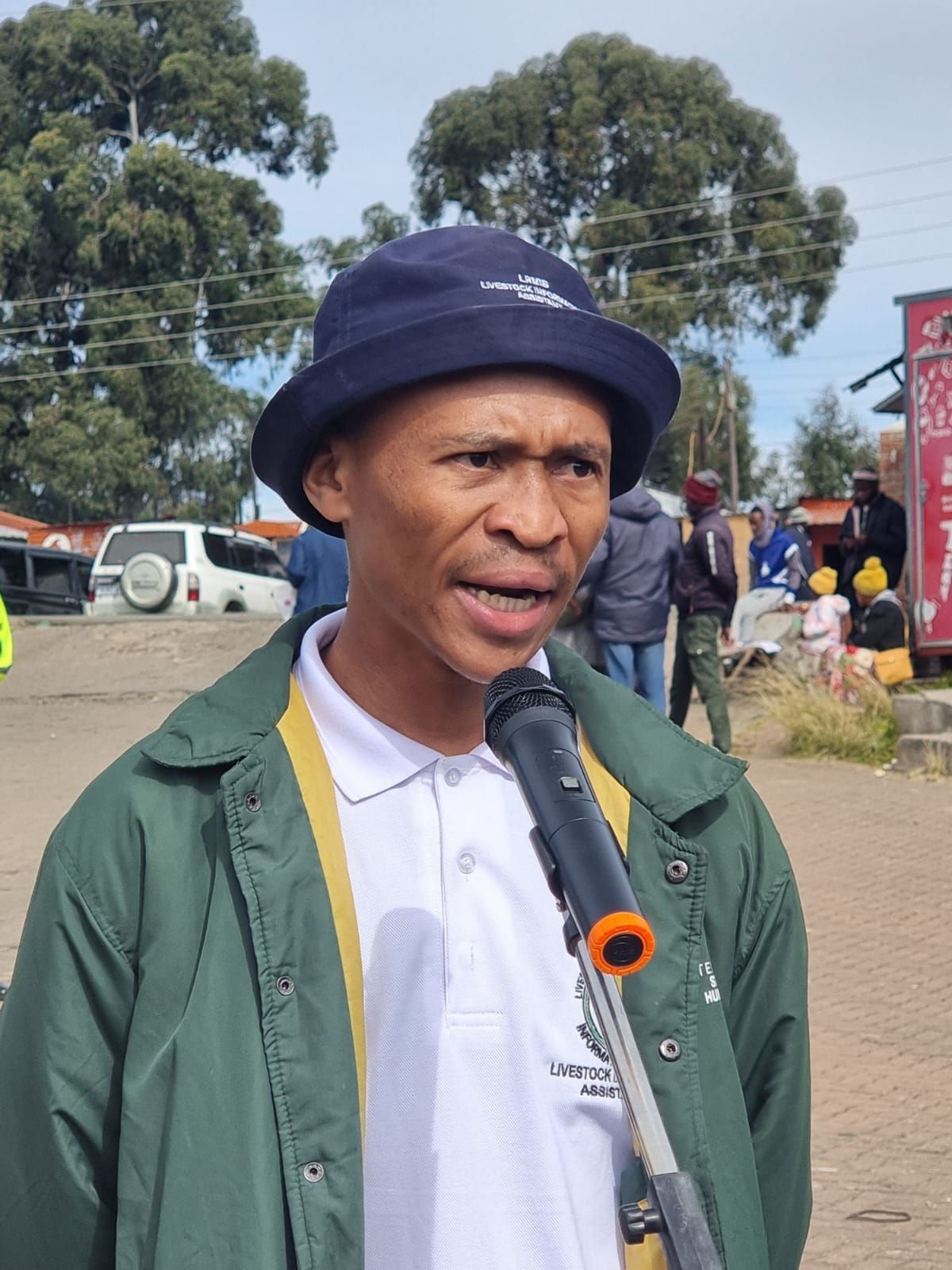
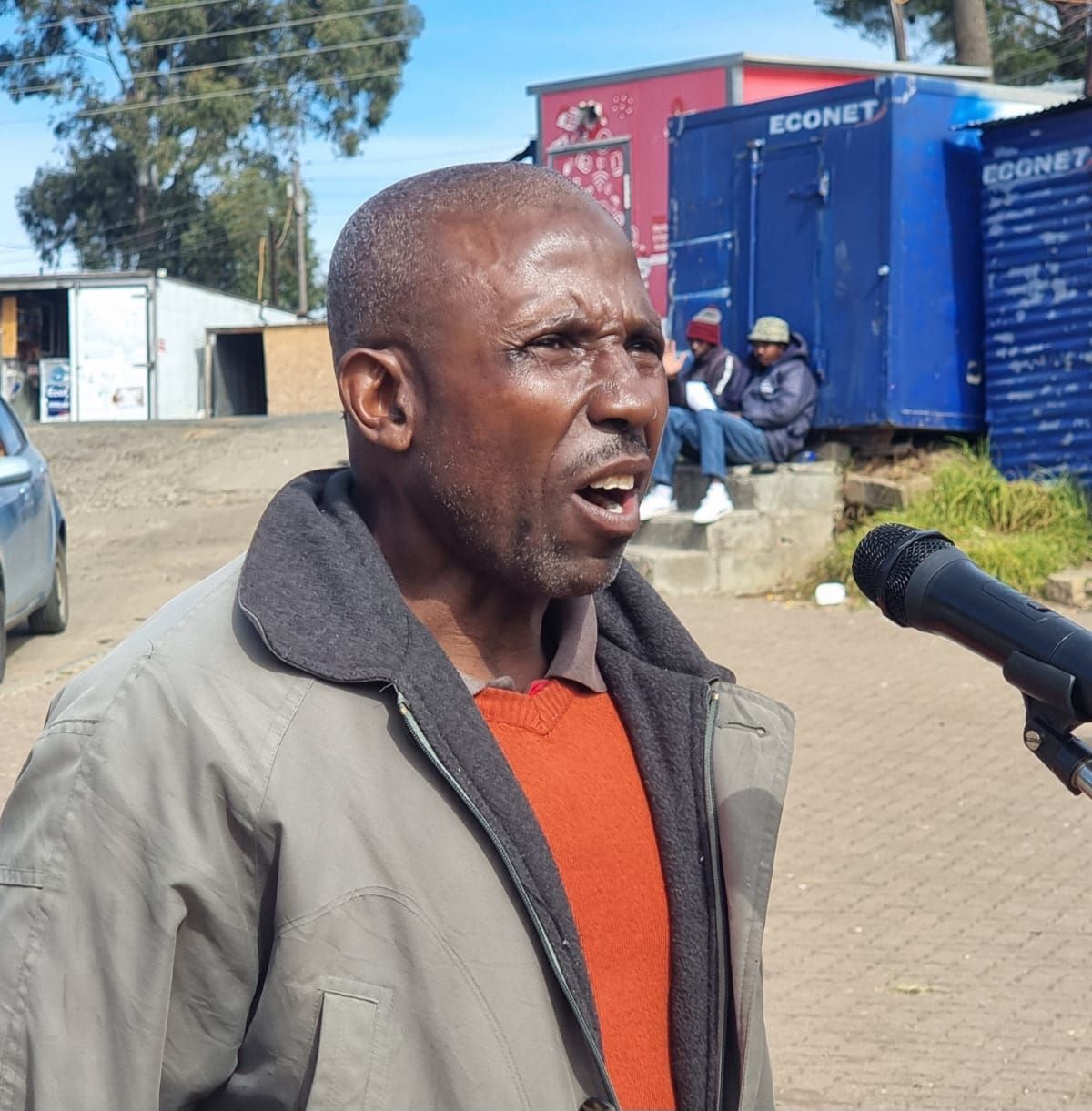
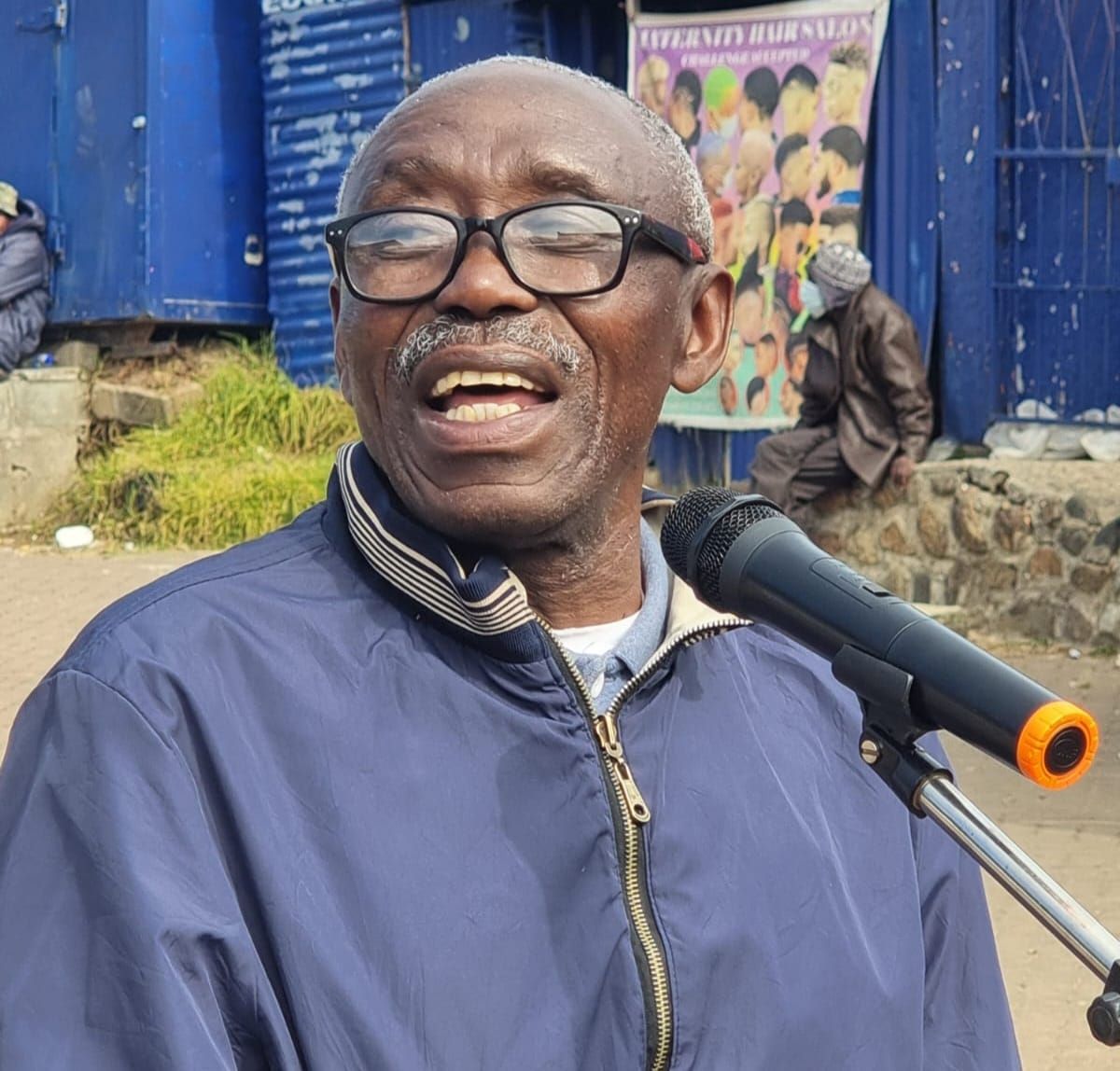
He appealed to residents to report illegal movement of livestock or banned meat products. “It should not only be the responsibility of security agencies. Everyone must play a role in protecting the district,” he said.
Mr. Lits’oane added that many local farmers graze livestock along the border, increasing the risk of infection. Even if wool and mohair sales eventually resume, farmers may still face expensive testing requirements that could reduce profits. “Qacha’s Nek depends heavily on livestock for survival. That is why vigilance is critical,” he said.
Farmer Mr. Kelebone Ramochele described the outbreak as devastating for livestock owners.
“We are in serious trouble as farmers,” he said, explaining that for the first time farmers were forced to wear protective clothing while shearing animals to avoid spreading the disease. “Our wool is already in storage, but we do not know when it will reach the market,” he said. “Many households rely entirely on livestock, so this situation is creating hardship for families.”
Mr. Ramochele also expressed frustration that some people continue ignoring safety precautions despite repeated warnings from authorities. “People only understand the importance of precautions once the problem affects them personally,” he said. “This disease is dangerous and has placed us in a very difficult situation.”
With livestock forming the backbone of many households in Qacha’s Nek, officials say preventing the spread of FMD is not only about protecting animals, but also safeguarding livelihoods, food security and the district’s economy.
Ends/MAPM/ml
