
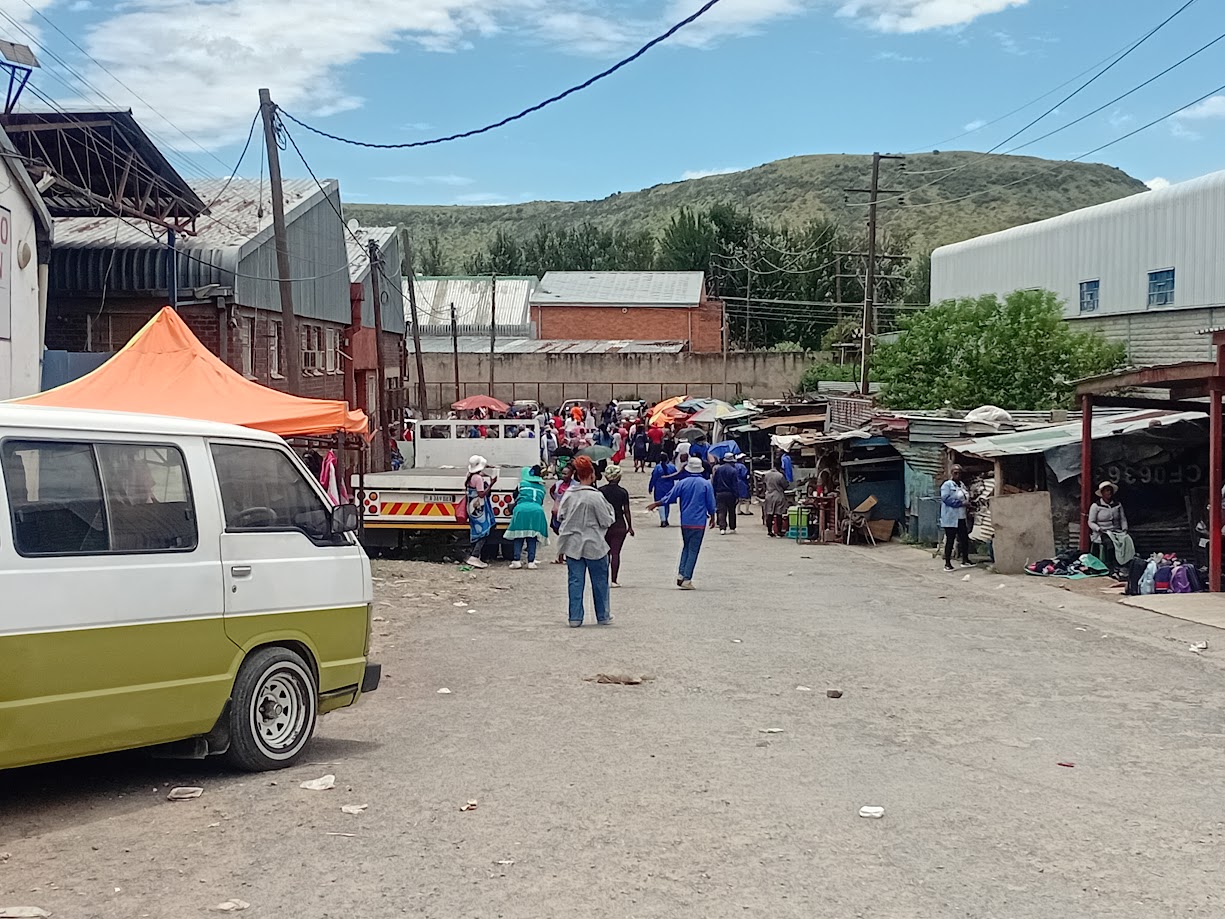
Maseru, Jan. 15 — As the festive season fades into memory, many workers in Maseru say returning to work in January has come with more pressure than relief, as financial strain, physical exhaustion and rising living costs weigh heavily on households.
From the early morning hours, buses and taxis are once again packed with factory workers travelling from Ha Thetsane, Khubetsoana and Mabote to the industrial area. While the return of routine signals normalcy after the holidays, workers say the transition has been far from smooth.
“I feel like I came back to work without ever resting,” said ‘M’e Mpho Lefika, a machinist at a textile factory in Thetsane. “During the holidays I travelled home, attended family gatherings and spent more money than usual. Now it’s January, salaries are the same, but everything is more expensive.”
Several workers interviewed echoed similar sentiments, describing January as the most difficult month of the year. Many said they were expected to resume full productivity immediately, despite having returned from long-distance travel just days before reporting for duty.
A supervisor at one of the factories, who asked not to be named, acknowledged that absenteeism tends to increase in early January. “Some workers are still tired or dealing with personal issues from the festive season. But production targets do not change. We are under pressure from buyers, so we also push for results,” the supervisor said.
Transport operators have also noticed the strain on commuters. Mr. Thabo Mokhosi, a minibus taxi driver operating the Maseru–Ha Thetsane route, said passengers frequently complain about rising fares and reduced disposable income.
“People are back at work, but you can see they are stressed,” Mokhosi said. “Some argue over fare increases, others ask for credit until payday. January is always tense in the taxi.”
Street vendors and small business owners in the city centre say sales have been slow since offices reopened. Ms. ‘M’e Puleng Rantšo, who sells cooked meals near Kingsway Street, said customers are buying less than usual.
“Before Christmas, people buy food freely. Now they ask for smaller portions or walk away,” Rantšo said. “Everyone is saying they are broke and waiting for the end of the month.”
According to an independent labour analyst, Mr. Kabelo Ntloko, the post-festive fatigue experienced by workers is both physical and psychological. He said expectations from employers often clash with the realities workers face at home.
“January combines exhaustion, debt and emotional pressure,” Ntloko said. “Workers are expected to perform as if nothing happened during the holidays, yet many are still recovering financially and mentally.”
He added that rising prices of basic goods and services worsen the situation, leaving workers with limited room to adjust. “When wages remain stagnant and costs rise, morale drops. This affects productivity and wellbeing.”
Despite the challenges, some workers remain hopeful that conditions will improve in the coming weeks. Many believe that once school routines settle and debts are managed, stability will slowly return.
“For now, we just push,” said Ms. Lefika. “We tell ourselves February will be better.”
As Maseru continues its return to full economic activity, January remains a month of endurance rather than celebration for many workers, highlighting the quiet struggles that follow the festive cheer.
Ends/MP/tl
