
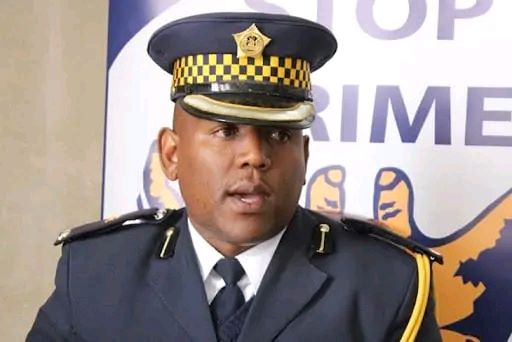
Qacha’s Nek, Sept.29 — In Lesotho, a boy’s tears are often silenced before they fall.
The saying “Monna ke nku ha lle” (a man is a sheep, he does not cry) is passed down through generations as both warning and instruction.
Rooted in cultural norms that equate vulnerability with weakness, boys are taught from childhood that strength means silence. Yet behind this silence lies a growing crisis.
Across classrooms, villages, and city streets, unresolved trauma takes root in young boys’ lives. Some turn their pain inward, battling depression or contemplating suicide. Others channel it outward through aggression, substance abuse, or violence.
Despite the weight of this reality, boys’ mental health remains largely invisible. Lesotho has no rehabilitation centre, few tailored support systems, and limited spaces where boys can safely express their struggles.
One such is Ts’episo*, a Grade 10 pupil, admitted he has embraced the saying. At 17, he looks like many other boys in Grade 11 shoulders broadening, voice deepening but inside, he carries a storm no one is allowed to see.
“I don’t talk when I feel sad,” he admitted softly, almost ashamed. “Instead, I roll dagga or sniff glue, then I feel better. At first, I copied my father and my classmates, but now I do it by myself,” he said adding “Some things are better left unsaid because if I open up, they will laugh at me, call me weak.”
For him, the old saying is not just a proverb, it is a cage. He has learned to numb his emotions with substances because society has taught him that tears are more dangerous than drugs.
Sello*, just 15, carries the same struggle, a wound he is not allowed to show.
When his mother died, the grief was overwhelming, but before he could cry, his uncle silenced him with the same phrase: be a man.
“I wanted to let it out,” Sello recalled. “But my uncle said I must not cry. After that, every time I felt angry or sad, I started fighting in school. Teachers thought I was just violent, but deep down, I was hurting. No one sees that.”
His fists became his voice, his anger the only language he was permitted to speak. What looks like aggression to teachers is, in truth, sorrow in disguise.
Another boy is already trapped in addiction. Kutloano*, now 23, shows what happens when silence hardens into addiction. He started drinking and smoking at 16, first as an experiment, then as an escape.
“Back then, alcohol and dagga were the only way I could release stress,” he said. “Now I can’t stop. It’s part of my life. If I had someone to talk to when I was younger, maybe I would have chosen differently. But I was told men don’t cry so I learned to drink instead.”
These boys’ voices echo across Lesotho in villages, classrooms, and homes where thousands of young men are forced to carry grief, anger, and despair with no outlet. What begins as silence often ends in violence, addiction, or worse: death by suicide.
Across schools and communities, teachers, parents, psychologists, and traditional leaders are increasingly concerned about the consequences of this deep-seated belief.
For some parents, strict discipline and emotional toughness remain the gold standard.
“We disciplined our children with beatings, and it helped us,” said Mrs. ’Mats’epang Mosola, a mother of four. “Nowadays, parents want to befriend their children, and children grow weak as they are not disciplined and it’s not even easy to throw in an advice to a neighbour because we are said to be abusive when we discipline our children with strokes and children are no longer raised by a village unlike before.”
Her words carry the weight of tradition and of fear that change may weaken resilience.
But younger parents like Mr. Thabang Mohapi see things differently.
“That kind of upbringing damaged us,” he countered. “I grew up afraid of my father, not close to him. We must talk to our sons. If we keep telling them not to cry, they will continue destroying themselves in silence.”
Some parents even admit their own confusion. Mrs. ’Mampho Maema, mother of two teenage boys, said “Sometimes I want to hug my sons when they are sad. But then I hear my father’s voice in my head – men don’t cry. I feel torn. I don’t want them to end up like the boys we see on the streets, but I also don’t want them to be called cowards.”
In living rooms and roundavels across Lesotho, this tug-of-war plays out daily.
Teachers witness the silent battle every day. They see the boys’ restlessness, their eruptions of anger, their empty stares.
Qacha’s Nek High School teacher Mr. Lillo Sebilo said boys often express stress through bad behaviour rather than words. “They would beat others or ignore instructions,” he explained. Suppressed emotions, he said, result from gender roles that discourage boys from expressing feelings, leading to sudden emotional outbursts.
While schools try to educate boys about their responsibilities including protecting girls from abuse starting as early as grade 8, Mr. Sebilo said this is insufficient.
“With academic workloads, it’s hard to focus on behavioural changes or support their emotional well-being. Boys have been abandoned, starting in the village. They face harsh conditions, and seasoned citizens could help rescue them if given a platform.”
Mr. Liketso Thatho of Ramats’eliso Combined School echoed this, saying boys often bottle up stress and express it violently. “We had a child who fought or bullied to gain attention. Teachers aren’t trained to address emotional challenges, and some are themselves emotionally damaged therefore there is a need for capacity building as well as counselling or even better, schools should have specialists,” he said.
He emphasized the importance of shaping masculinity at home while schools polish behaviour, particularly for child-headed households or boys living independently.
Patlong Primary principal Mrs. ’Malimpho Tsoene observed that boys express distress through rebellion, bullying, or bitterness.
Some resort to drugs, she said, influenced by the cultural saying that discourages crying. While her school has implemented child-friendly policies and limited counseling, she stressed the need for teacher training and expert involvement to support boys’ emotional well-being.
Chief Khoabane Theko, Principal Chief of Thaba-Bosiu and custodian of culture, explained that the saying was intended to prevent boys from being “cry-babies,” but it denies them the right to express emotions. “The saying hinders boys’ progress. Complaining shouldn’t define a boy as weak,” he said. He criticized current initiation schools for sometimes fostering unnecessary aggression.
“However, a boy child is still a human being who must be granted all the rights that help them grow well. Being a boy should not translate to being treated badly,” he said.
He supports dialogues aimed at changing the narrative around masculinity. “I love a strong boy, resilient and able to stand for himself, but his rights shouldn’t be taken away because he is a boy. A boy child should be allowed to be a boy and do all necessary chores.”
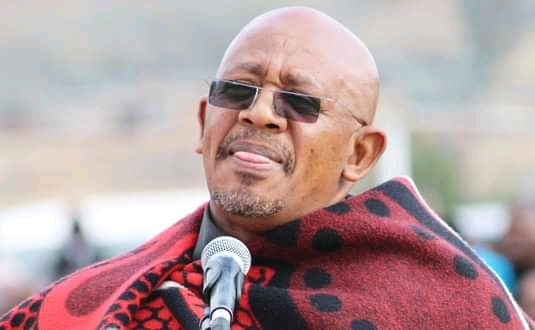
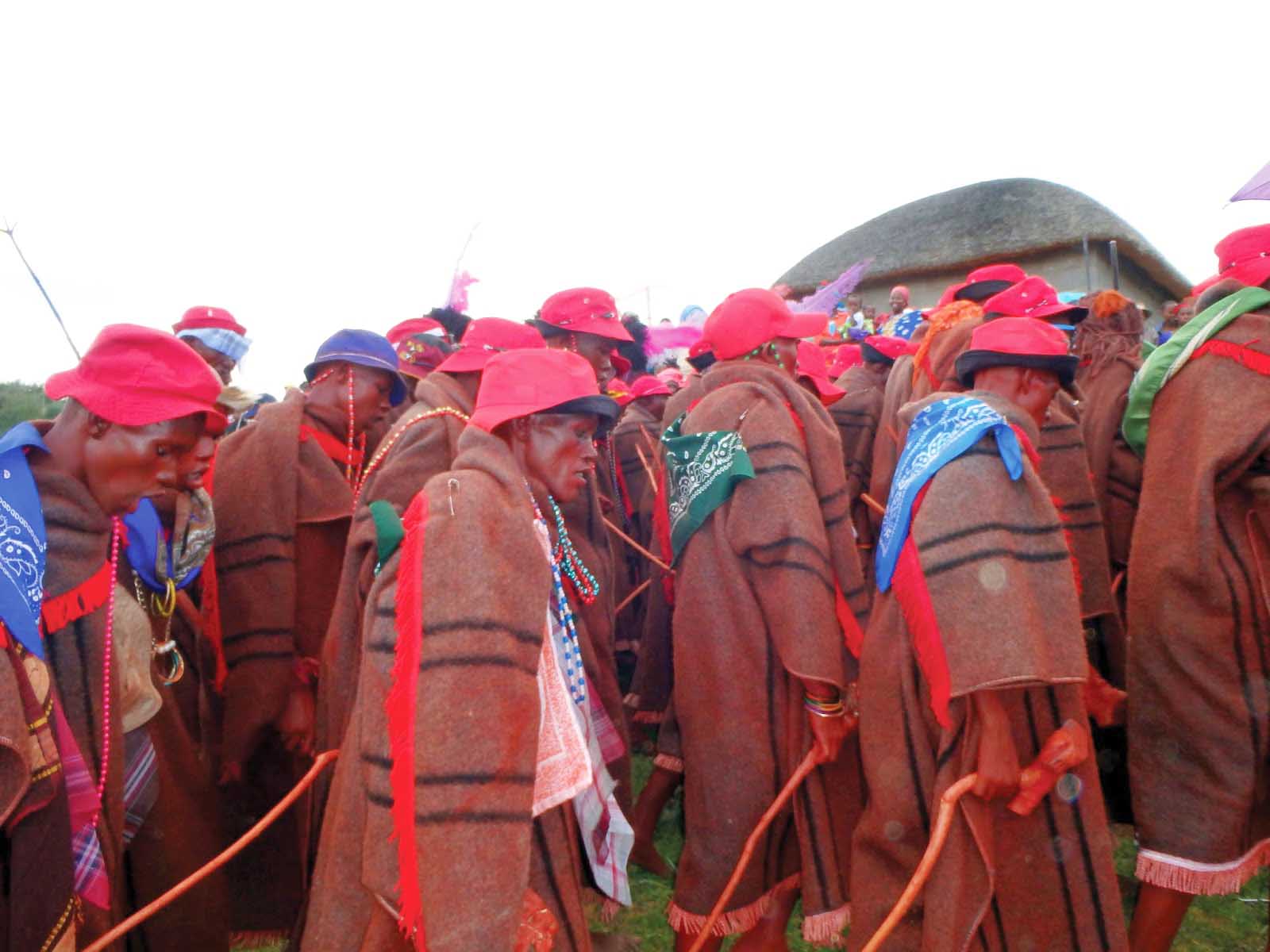
Ha-Mosuoe Chieftainess ’Malireko Sehahle said the saying has contributed to widespread emotional suppression among men, leading to substance abuse, aggression, and mental illness. “If we start having conversations at public gatherings, in households, and through the media, we can help males open up and support one another,” she said.
Mr. Nkalimeng Mothobi, president of the Crime Prevention, Rehabilitation and Reintegration of Ex-Offenders Association (CRROA), said rigid masculinity norms play a significant role in gender-based violence. “Boys are taught never to appear weak, which often leads to conflicts, substance abuse, and poor coping strategies,” he explained.
He added that the saying “Monna ke nku ha lle” is frequently misused and misinterpreted. “Originally, it was meant to encourage problem-solving, not to suppress emotions,” Mr. Mothobi said.
Highlighting the importance of tailored interventions, he noted, “Psychosocial support can be very effective when normalized. But programs should be tailored, not one-size-fits-all. When we work with ex-convicts or inmates, our approach differs, and making programs specific helps participants open up.”
Mr. Mothobi also urged the public to reconsider abandoned cultural practices that were once helpful in guiding boys. “Some traditional methods of grooming children were effective, and we should be mindful of the lessons they offered,” he said.
Khotla Lesotho spokesman Mr. Molikeng Leemela said masculinity understanding has declined, citing single-parenting as a factor affecting boys’ development.
“There is a growing practice of single parenting, and this issue of parenthood is very big as it affects children’s perception of their roles and responsibilities. Children raised by one parent often experience life differently than those raised in a full family setup. Poor parenting can influence their behaviour, sometimes leading them toward crime,” he said.
He emphasized the need for Basotho to return to some traditional practices that supported boys’ growth, including the proper handling of initiation schools and teaching boys their responsibilities as future leaders and providers.
“Parenting can help when we teach boys who they are, what their roles entail, and how to express themselves responsibly. Without this guidance, many young men are left to navigate pressures on their own, sometimes succumbing to destructive behaviours,” Mr. Leemela said.
Police spokesman Senior Superintendent Mpiti Mopeli said most initiatives target girls, leaving boys without dedicated programs. “We have so many initiatives empowering girls, but boys are often neglected. Many spend their lives herding or surviving, and we need programs tailored to their realities,” he said.
He emphasized the need for outreach, after-hours programs, and encouraging boys to speak up when facing challenges.
He urged boys to break the cycle of silence.
“It’s high time to speak out. Where you are unsatisfied, reach out to responsible stakeholders for help and seek therapy, as such services are available. The most important part is to take action when you are not okay, to seek help and free yourselves. Otherwise, we will continue seeing gangsterism, hitmen, and violence,” he said.
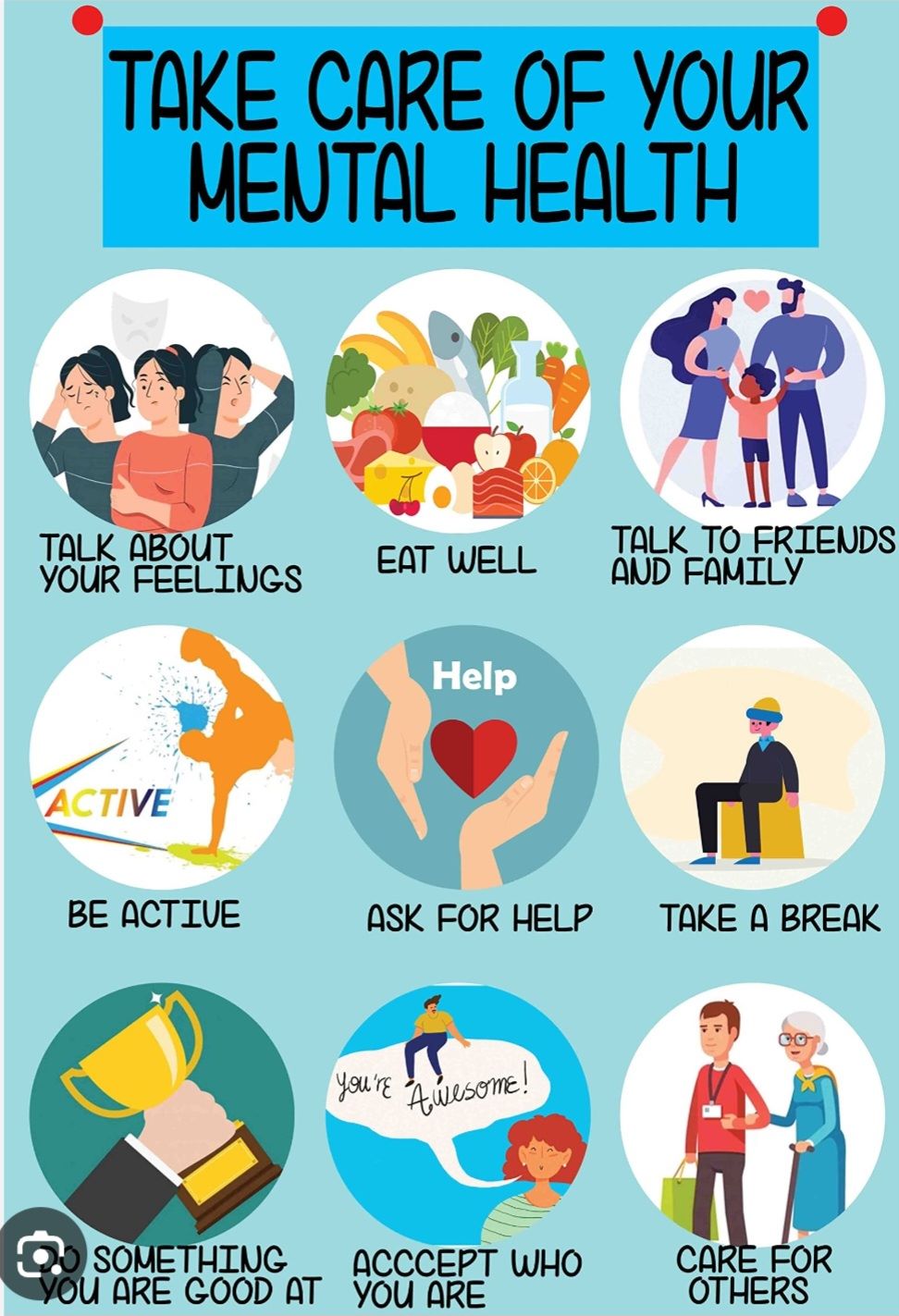
Mr. Thabang Pelea, psychologist at the Anti-Drug Abuse Association of Lesotho (ADAAL), said emotional suppression is a major driver of substance abuse among boys. “Out of ten boys, only two are able to talk about mental health challenges,” he explained.
He warned that drug abuse among boys is worsening. He estimates that 87 percent of boys in crisis struggle with substance abuse, yet Lesotho has had no dedicated rehabilitation centre since the closure of the Blue Cross Society Centre.
Without such a centre, he said relapse rates remain high, with 55–60 percent of boys returning to substance use after initial treatment.
Mr. Pelea described the physiological impact of trauma on boys. “When a child is traumatised, their emotional brain sets off the alarm. The brainstem responds by shutting down the thinking brain and preparing the body for action: fight, flight, or freeze. This can manifest as hyperactivity, physical aggression, or verbal aggression – behaviours often interpreted as aligning with masculinity but are actually the child’s attempt to cope and fit in.”
He outlined preventive strategies for helping traumatized boys, including structured routines, safe environments, nurturing, and giving them space to process their trauma. He said ADAAL supports boys through attunement, which involves taking the time to notice and respond to their feelings in a caring way, helping them make conscious choices.
Mr. Pelea appealed to stakeholders, including the government, to collaborate on creating rehabilitation opportunities. “We need a Memorandum of Understanding (MoU) to build rehabilitation centres that can accommodate large numbers and employ qualified professionals, there are many unemployed experts in the country,” he said.
He suggested that, with cooperation, it might not even be necessary to build new facilities. “Existing infrastructure, which has become underutilized or turned into white elephants, could be repurposed. This would help prevent relapse, because currently, even after treatment, many return to substance use within two months. Collaboration between government and stakeholders is essential,” he emphasized.
Mohlomi mental hospital matron ’Mantoa Maholi-Rampeta said the facility offers counselling, addiction support, and specialized services, but demand far exceeds capacity.
“Most young men seek help for substance abuse, particularly dagga. Mental illness is still highly stigmatized, so patients often come only when they are desperate. Without a dedicated rehabilitation centre, relapse rates are high,” she said adding “we still need resources, particularly cars.”
The facility has a 120-bed capacity, 35 in the male ward, 35 in the female ward with the geriatric ward housing 15 patients and the forensic ward 35, though most, if not all the times, the facility is reportedly overcrowded. She said the forensic ward is currently occupied by over 80 patients.
Psychologists note the physiological impact of suppression: chronic stress weakens emotional regulation, pushes boys toward aggression, and makes substance abuse more likely.
Ms. Mahlape Moremoholo, Khanya consultancy psychologist, explained that suppressed emotions strain the Hypothalamic-Pituitary-Adrenal axis, keeping cortisol levels high, which weakens self-control.
“The brain seeks relief through substances like alcohol or drugs, temporarily numbing stress,” she said.
She advocates for school-based programs like boy’s corner where they can freely talk to a professional for free, community dialogues involving parents, chiefs and churches to challenge harmful cultural norms, “it may be sensitive but it needs a good approach.”
She also recommends group counseling with people of the same age and with older ones in order to share how they overcame some similar problem at that age, and awareness campaigns to normalize seeking help.
“What’s abnormal is the suppression of feelings, not showing vulnerability,” she said adding “Ministry of Education and Training should consider having school counselors, NUL is producing a number of counselors every year.”
Counsellor Moeketsi Seturumane of Bokhabane counseling services said one of the first things to note about adolescent boys is the implied perception they have that they can do anything.
“They are powerful, they do not need help, and every part of toxicity that Basotho masculinity has, is often embodied in many of these adolescent boys. Also, because they are being helped to foot the bill, they are often untruthful about their challenges.
Notably though those who are keen to embrace their emotions are usually afraid to openly do so due to the fact that they sometimes believe the judgement that they experience on the outside is a global thing.”
He said culture has certain parts towards men that are toxic. “We willingly put boys and men’s mental health at risk because we believe the boy child is bred to be “strong” and weather any challenges posed on him.
“As such, we actively work to do away with any emotional outbursts, often ridiculing it as feminine and pushing boys to embrace emotional abuse as a badge of honour.”
He said the saying push the limits of acceptable and tolerable, pedalling anger as the only acceptable emotional outburst a man ought to have.
“This opens a breeding ground for shame, depression and many other emotional instabilities that often push towards viewing abuse, murder, rape, drug use and abuse, and many other avenues as shows of masculinity rather than being seen as wrong,” he said revealing that one of the first barriers to access therapy is culture.
“The boy child is forced, mostly, to project strength. Seeking help has been typecast as a female response.”
The second barrier he said is knowledge of psychotherapy. “Many people in Lesotho have made their own assumptions about what psychotherapy is. This is mostly pedalled in satire and embraced as true, leading people to denigrate the profession.”
The third barrier he said has to do with people who are not professionals in this field, destroying the fabric of counselling.
“A lot of people have taken on the mantle of providing counselling through lived experiences. This leads to diluting the professional relationship that professional counsellors build with their clients. As such, cases of mismanaged counsellor-client relationships often make more noise than those of professional conduct, demonizing psychotherapy or implying its inability to work.”
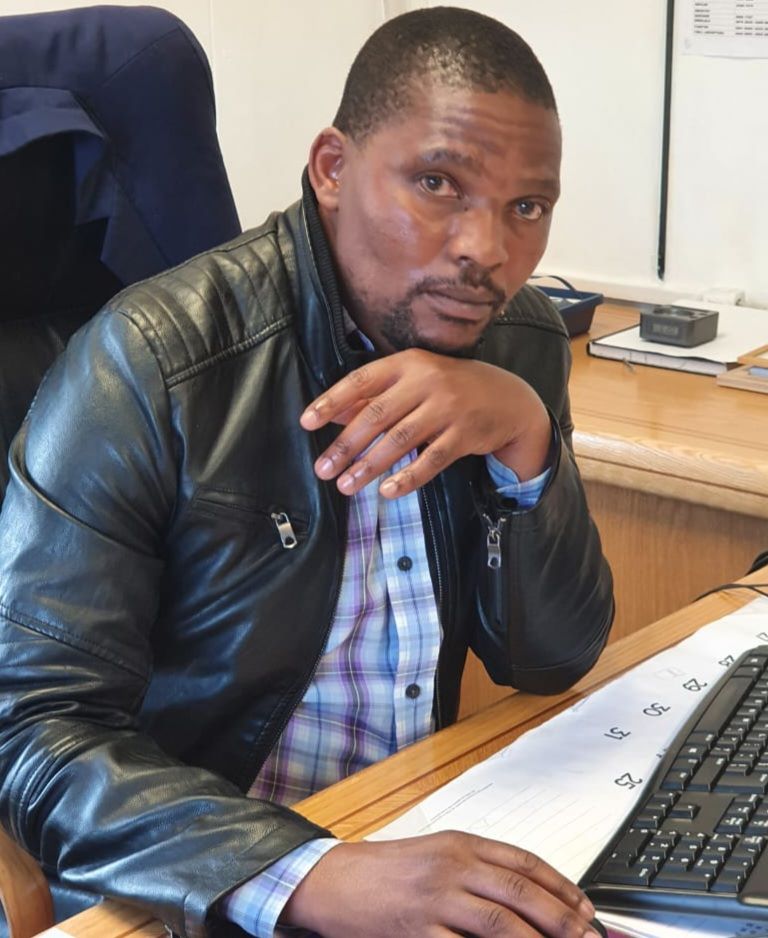
Mr. Seturumane said a community open to change in perception is often the first step. “When we openly embrace parts of ourselves we need to confront and change, we often start opening doors to actual change. When we openly confront these and move away from harmful traits, we start to create a different legacy,” he said adding that schools, families and communities need to first be able to look at themselves objectively, and see the impact their silence towards mental triggers creates.
“Things like bullying need to be uprooted from our culture, our families and our schools. They are an outdated form of masculinity that worked well with the systems in place at the time, but those that have no weight in this day and age,” Mr. S eturumane said.
In most cases, he said if an authority figure they respect openly challenges these, most are genuinely ready to open up.
“Open spaces that are without judgement also help them open up. Lastly, boys (and men) open up when they know they are with people who will not use the information at any point to either bring them down or lose them a battle. It is easiest to open up when you know the information will not come back to knock you down,” he said.
According to the World Bank and WHO series, Lesotho’s suicide rate stood at 33.38 per 100,000 in 2020 and 28.66 per 100,000 in 2021 among the highest in the region.
In comparison, Botswana recorded about 8 per 100,000, Zambia around 7, Malawi 7.6, and Mozambique 10.6 in the same period.
Meanwhile, the United Nations Office on Drugs and Crime (UNODC) and World Bank homicide data confirm that violence remain widespread across Southern Africa, with Lesotho among the most affected.
Drug use is also rising, though official national prevalence figures remain limited; organisations such as ADAAL and UNODC point to alarming hotspots of youth substance abuse, particularly dagga, alcohol, and methamphetamines.
“Monna ke nku ha lle” may have been passed down as wisdom, but today it is wounding the very boys it seeks to shape. Unless the silence is broken, Lesotho risks losing more sons to violence, addiction, and despair. The time to act is now.
Ends
