Maseru, Aug. 13 — Lesotho’s tourism and hospitality sector is set to adopt its first joint reform roadmap aimed at addressing key challenges and improving the sector’s contribution to economic growth and job creation.
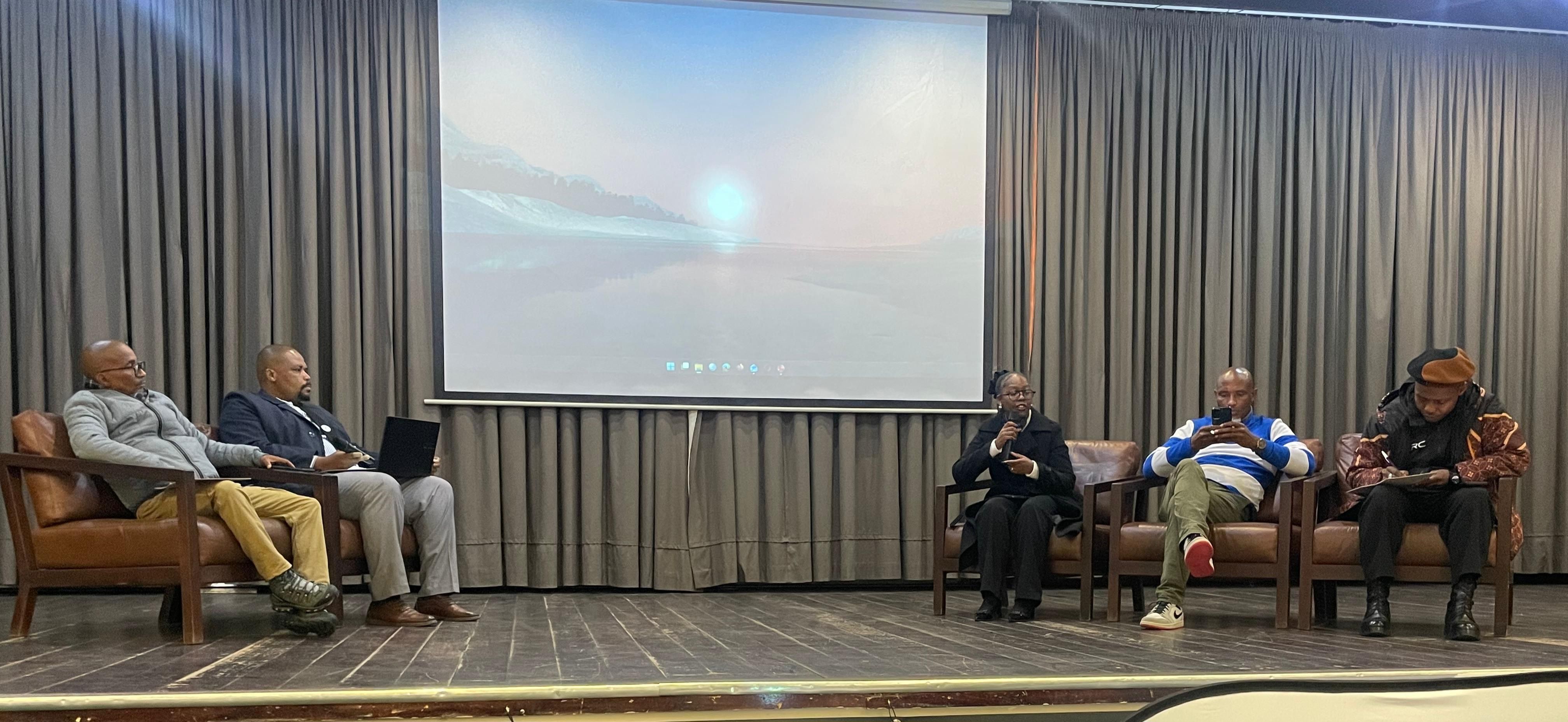
The Ministry of Tourism, Sports, Arts and Culture on Thursday held a workshop for the Tourism and Hospitality Thematic Working Group and relevant stakeholders to validate and adopt the group’s Terms of Reference and a three-year action plan to guide reforms in the sector.
The workshop marks a shift from dialogue to a time-bound reform programme, with the action plan identifying key challenges, including inefficiencies, limited market visibility, skills shortages and infrastructure gaps.
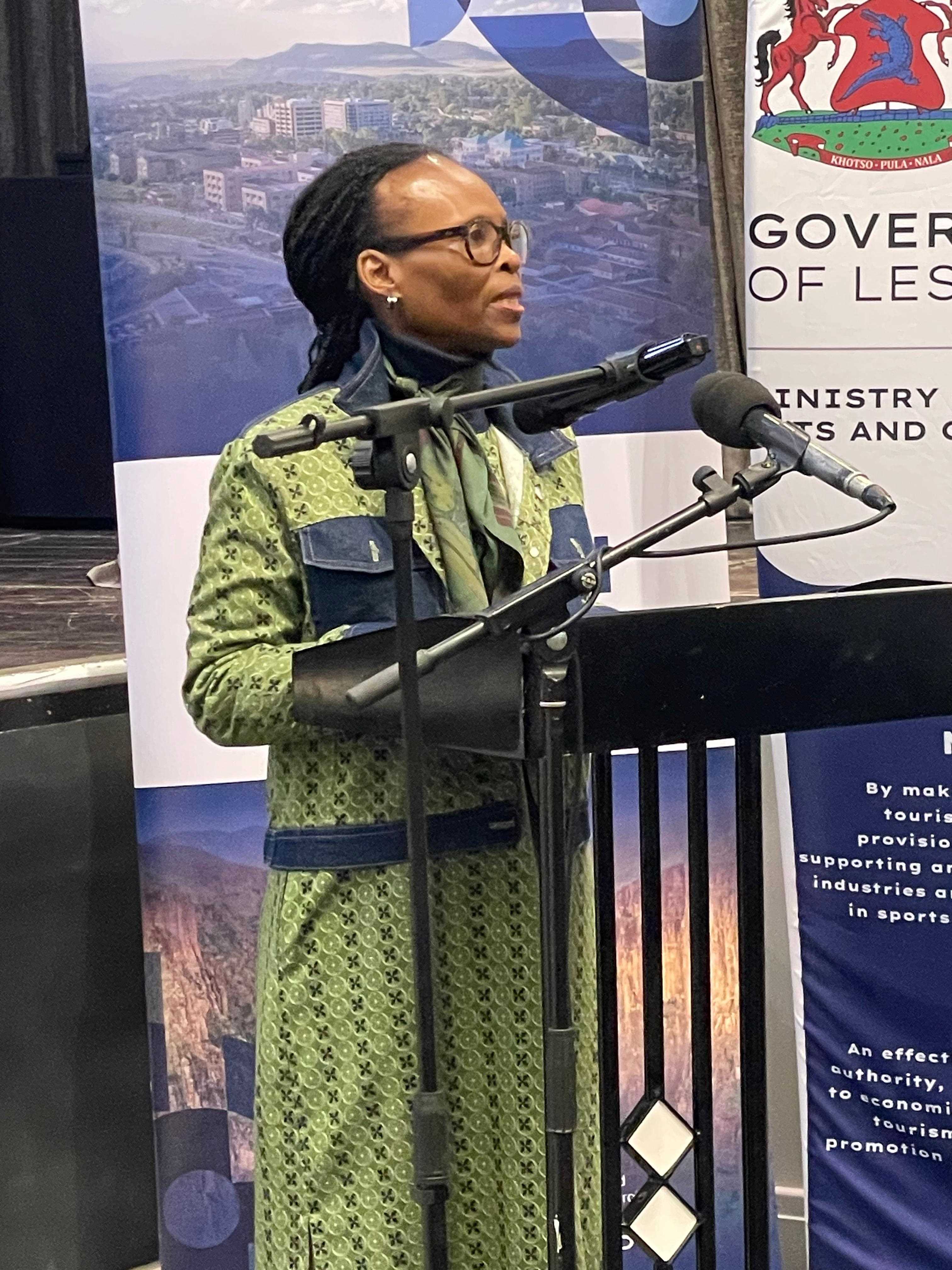
Speaking at the workshop, the Principal Secretary in the Ministry of Tourism, Mrs ’Mantiti Khabo, said government will create pathways for private sector investment in tourism while ensuring that appropriate laws were developed to protect and regulate the industry.
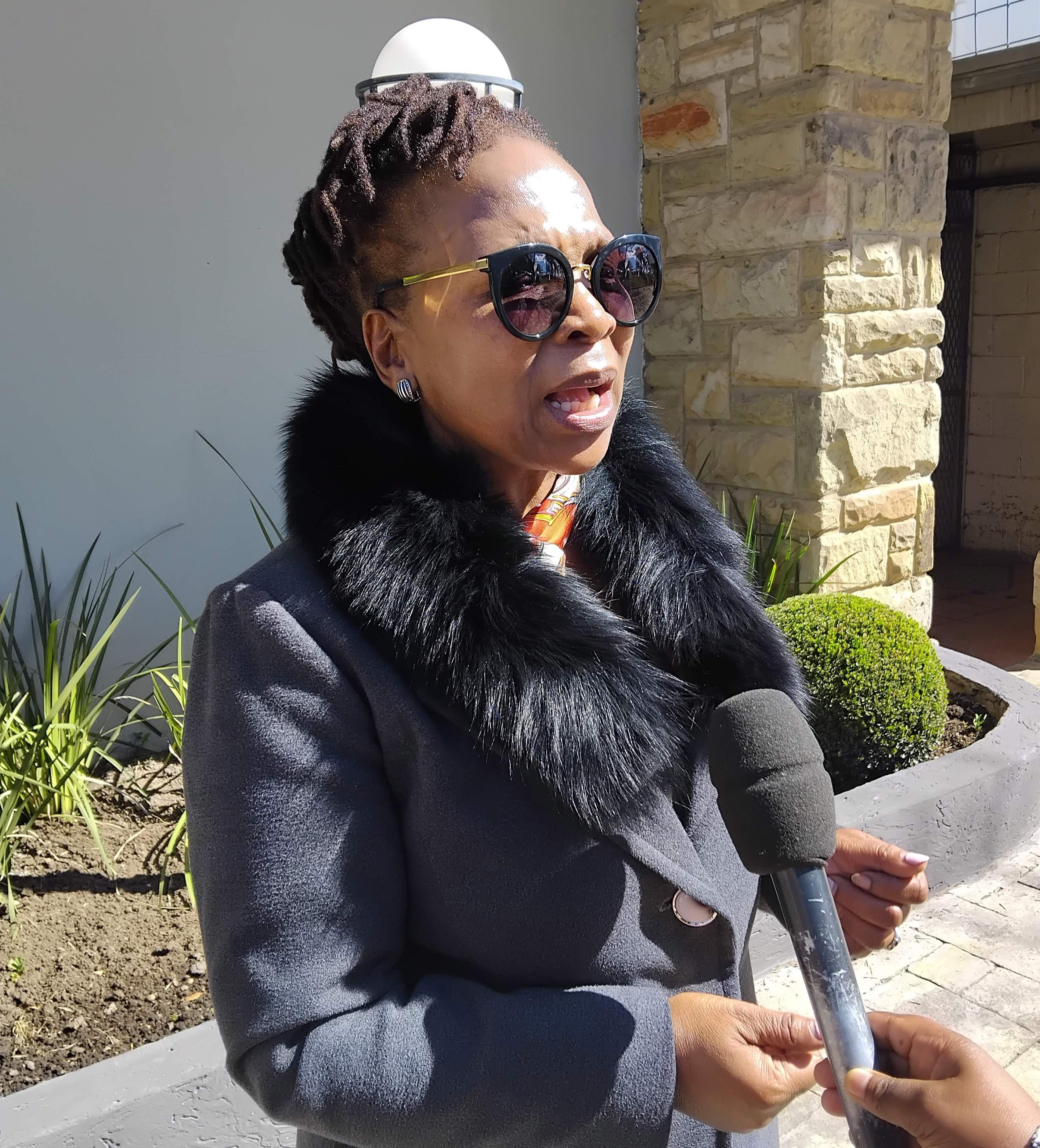
At the same occasion the Acting Chief Executive Officer of the Lesotho Tourism Development Corporation (LTDC), Ms. Mamello Morojele, said the tourism industry lacked laws to adequately protect Lesotho and its products, leaving them vulnerable to exploitation.
She said the ministry was also working to improve the Sports Act, which she described as outdated.
Co-chairperson of the private sector in the Thematic Working Group, Mrs. Mpho Letima, said investment was one of the major factors in the action plan.
She said Lesotho had largely relied on foreign investors, adding that there was now a need to promote and strengthen domestic investment.
Mrs. Letima said the action plan would also ensure that sports, creative industries and culture operated as an aligned and efficient ecosystem.
She urged the government to take the private sector seriously, saying stakeholders had worked together with government to document plans and ideas aimed at transforming the sector.
She said the private sector expected government to ensure that the agreed action plans were implemented.
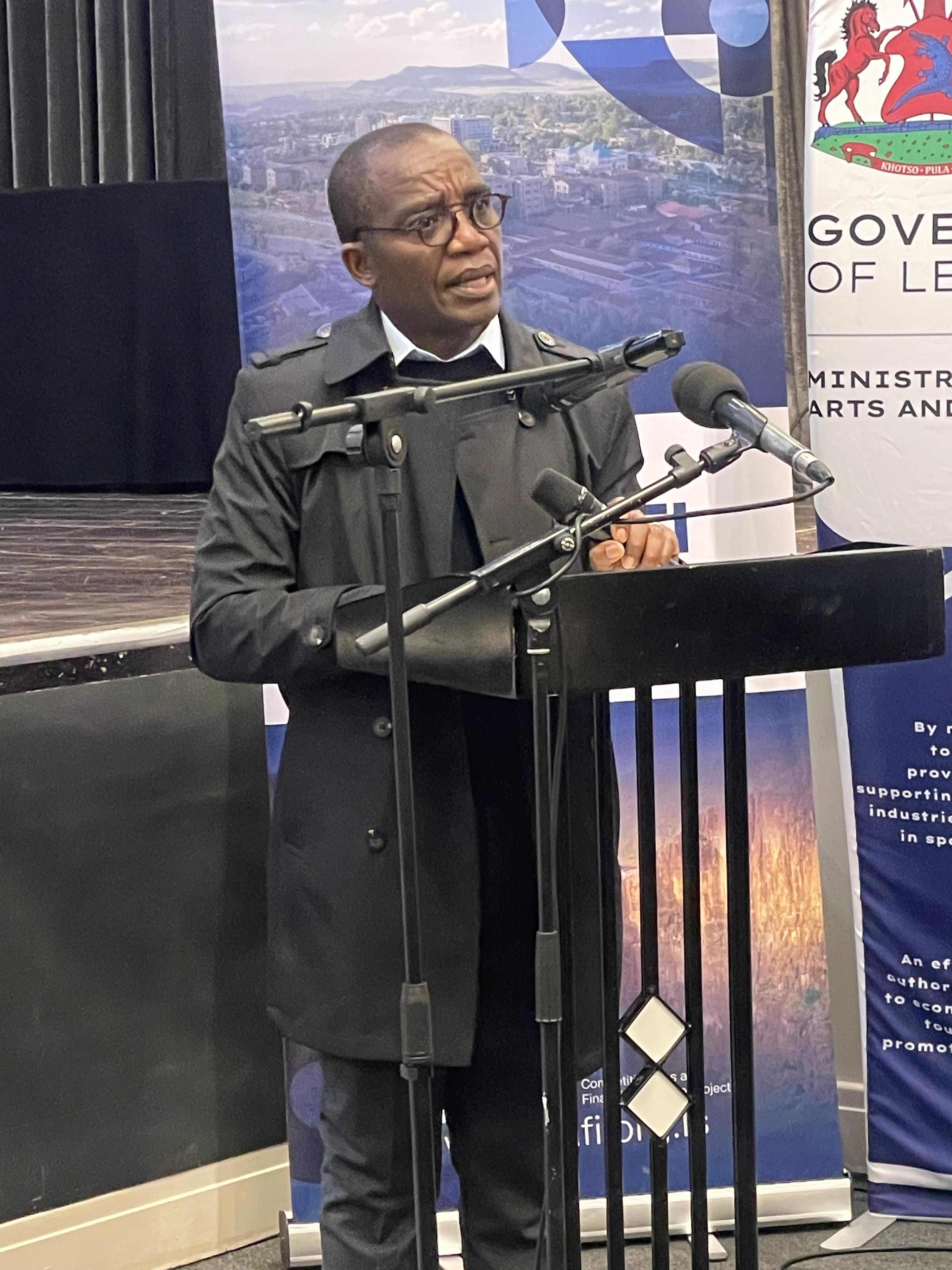
CAFI Managing Director Mr. Chaba Mokuku said Lesotho’s wage bill was high and called for stronger collaboration between government and the private sector to create jobs and revive the tourism and hospitality sector.
He said such collaboration should be aligned with the four pillars of the extended National Strategic Development Plan II, namely economic growth, strengthening human capacity, building enabling infrastructure, and governance and accountability.
Mr. Mokuku said economic growth and human capacity development were crucial for job creation and the revival of industries such as textiles, which were badly affected by COVID-19.
He said good governance and accountability would strengthen institutions and enable them to deliver services effectively while promoting shared responsibility.
Panelists from the creative and cultural industries described the creative industry as a key product engine and backbone of tourism.
Mr. Chere Mongangane, who is involved in apparel production, said the fashion industry continued to face challenges in production, particularly of products used to market Lesotho, such as blankets.
Mr. Sechaba Mokoqo, popularly known as Sir Sechaba, urged Basotho to make use of their talents and ensure that their creative products were protected through copyright.
From the sports sector, Mr. Realeboha Segoete said participation in international sporting competitions was an important form of advertising for Lesotho, as it created curiosity about the country.
An artist from Mokhotlong and participant in the workshop, Mr. Toka Ramokoatsi, said the validation of the action plan reflected the aspirations of artists.
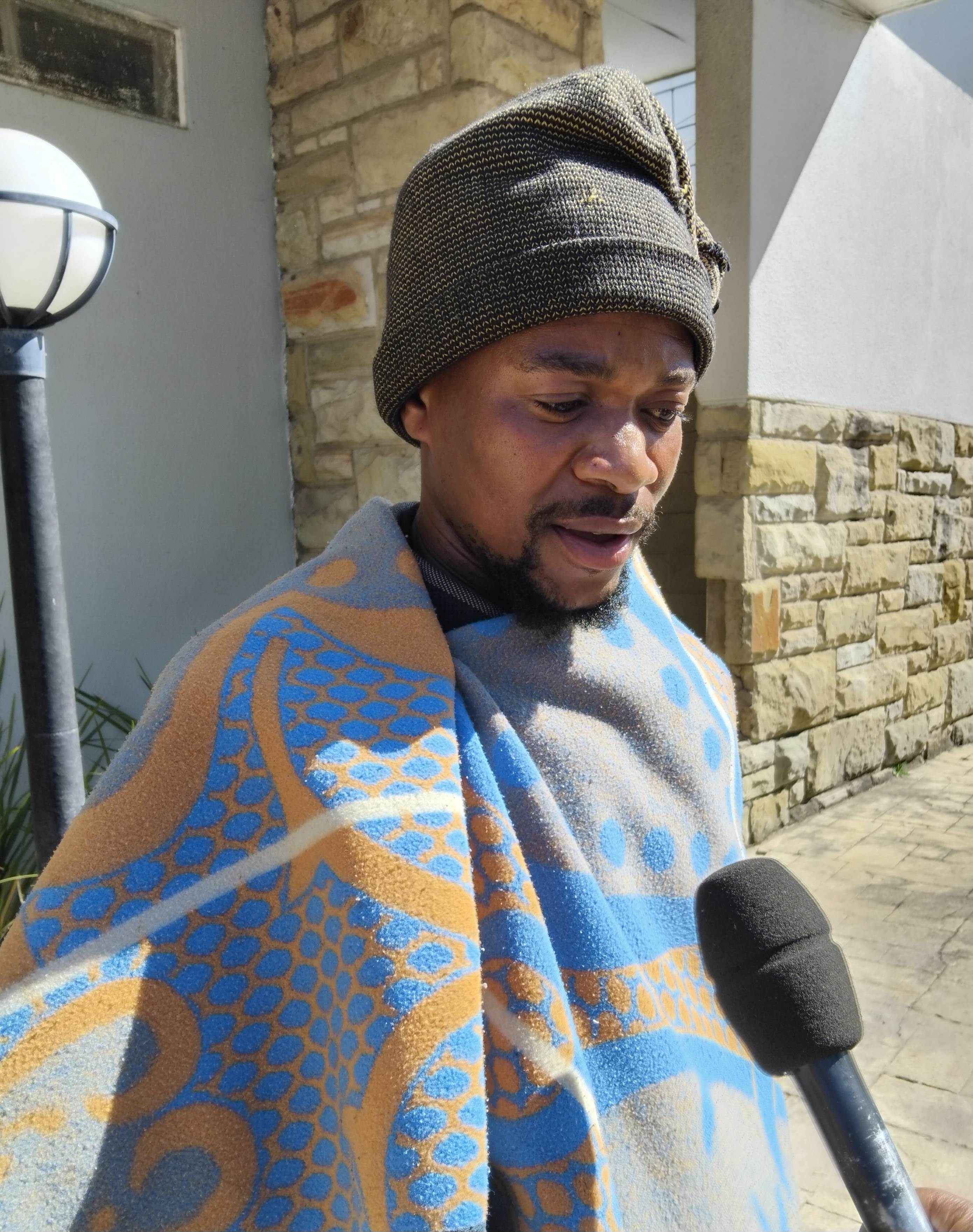
He said appropriate laws contained in the Terms of Reference would help protect artists and support product development.
The plan sets out priority actions, assigns lead institutions and timelines, and provides measurable indicators to monitor progress.
Tourism and hospitality is one of the four priority productive sectors under the National Strategic Development Plan II.
The Thematic Working Group operates under the National Public-Private Dialogue (PPD) platform and the Investment Climate Action Plan (ICAP), coordinated by the Ministry of Trade, Industry and Business Development with support from the World Bank-financed Competitiveness and Financial Inclusion (CAFI) Project
END/MCM
