
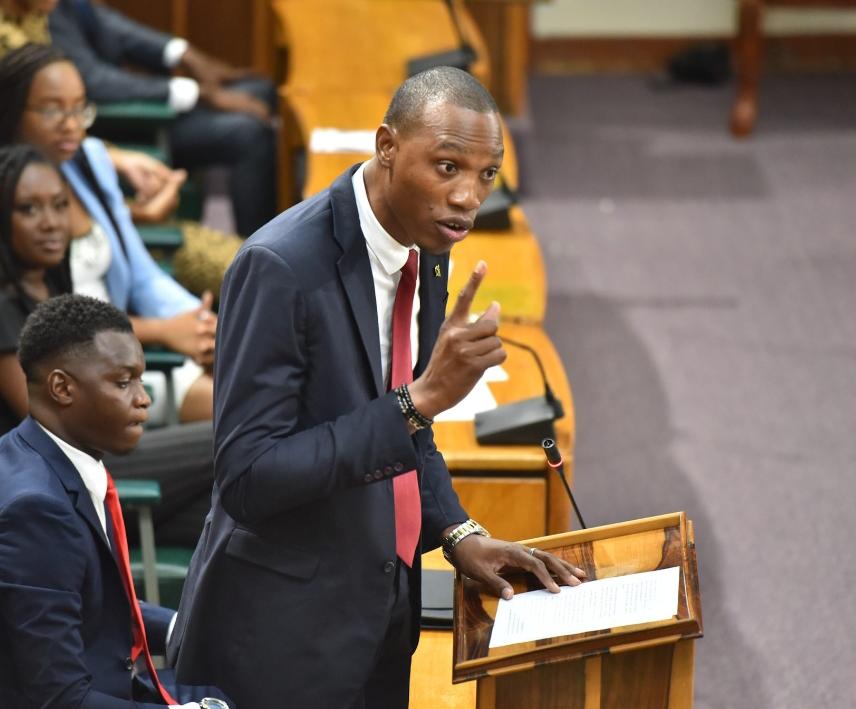
Maseru, Sept.02–More than three decades after Lesotho returned to democratic rule, questions remain over whether the country’s Parliament adequately reflects the women and young people it represents.
Lesotho held its first democratic elections in 1993, following more than two decades of political instability and authoritarian rule after the suspension of the Constitution in 1970. Since then, the country has undertaken several electoral and legislative reforms aimed at strengthening democratic participation and improving representation.However, women and young people remain significantly underrepresented in the National Assembly.
Speaking to the Agency, Deputy Speaker of the National Assembly Mrs Ts’epang Ts’ita Mosena said women’s representation in Parliament remained low, with youth representation being even more limited. She said that the current representation of youth in the National Assembly stood at only three Members of Parliament, all of whom are men. Mrs Mosena said increasing women’s representation in Parliament was important in ensuring that issues affecting women, children and families receive adequate attention in the country’s legislative processes. She said greater representation of women could also strengthen efforts to address challenges such as gender-based violence and early and child marriages. Her remarks come against the backdrop of persistent disparities in political representation despite reforms introduced over the years to promote greater inclusion. The latest data from the Inter-Parliamentary Union (IPU) shows that women currently hold 43 of the 172 seats in Lesotho’s National Assembly, representing 25 percent of Parliament.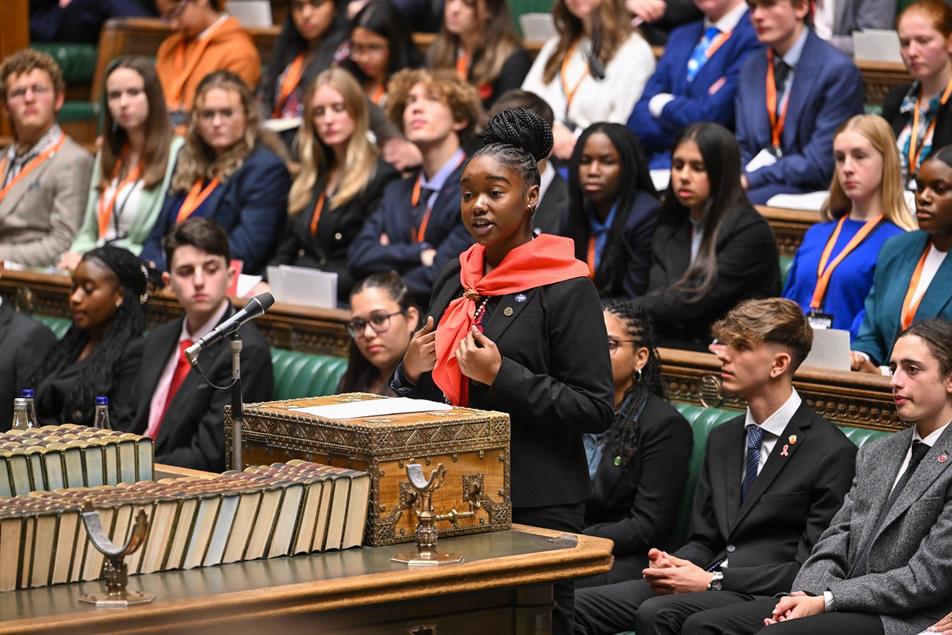
The representation gap exists despite Lesotho’s commitments to inclusive political participation through national, regional and international frameworks.
These include United Nations Security Council Resolution 1325 on Women, Peace and Security, which calls for women’s participation in decision-making, and Resolution 2250 on Youth, Peace and Security, which recognises the important role of young people in peacebuilding and political decision-making. Lesotho is also party to the SADC Protocol on Gender and Development and the African Charter on Democracy, Elections and Governance. The country has further committed itself to the Sustainable Development Goals, particularly Goal 5 on gender equality and Goal 16, which promotes peaceful, inclusive and accountable institutions. Lesotho’s electoral framework has sought to address gender disparities through mechanisms including proportional representation and gender-related requirements on party lists. These measures have contributed to an increase in women’s representation but the current figures indicate that progress towards gender parity remains incomplete. Former President of the Senate Mamonaheng Mokitimi has previously highlighted the importance of empowering women and young people to participate in politics and assume leadership positions. “Women and youth should be empowered and encouraged to join politics so that they can be in leadership positions of this country in the future,” Mokitimi said. The discussion has increasingly shifted from whether women and young people participate in elections to whether they have meaningful access to positions where political decisions are made.For young people, advocates argue that participation should extend beyond being consulted by political institutions. Mr. Maliehe Mosepele, Director of the youth-led Mosepele Foundation Development Forum has called for young people to participate at all levels of decision-making.“They should not only be present at decision-making platforms but should participate at all levels, whether community, district or national,” Mosepele said. The call highlights a broader challenge facing Lesotho’s democracy: ensuring that young people are not viewed merely as voters or beneficiaries of government programmes, but as active participants in shaping policies and decisions that affect their future. For women, the increase from 12 percent parliamentary representation in 1997 to 25 percent today demonstrates that electoral reforms and deliberate interventions can produce measurable change. However, the figures also show that the journey towards equal representation remains unfinished.For young people, the small proportion of MPs aged 30 or below presents an additional challenge. As younger generations prepare to inherit responsibility for the country’s political, economic and social future, their limited presence in Parliament raises questions about the availability of pathways for new political leadership. As Lesotho moves towards its next electoral cycle, political parties, Parliament, civil society organisations and voters face a fundamental question: What further reforms are needed to ensure that women and young people are not merely participants in elections, but are adequately represented among those elected to make the country’s laws and shape its future? The strength of a democracy is measured not only by the regularity of elections, but also by how inclusive its institutions are. For Lesotho, closing the representation gap could therefore be an important step towards building a Parliament that more accurately reflects the society it serves. Ends/NT