
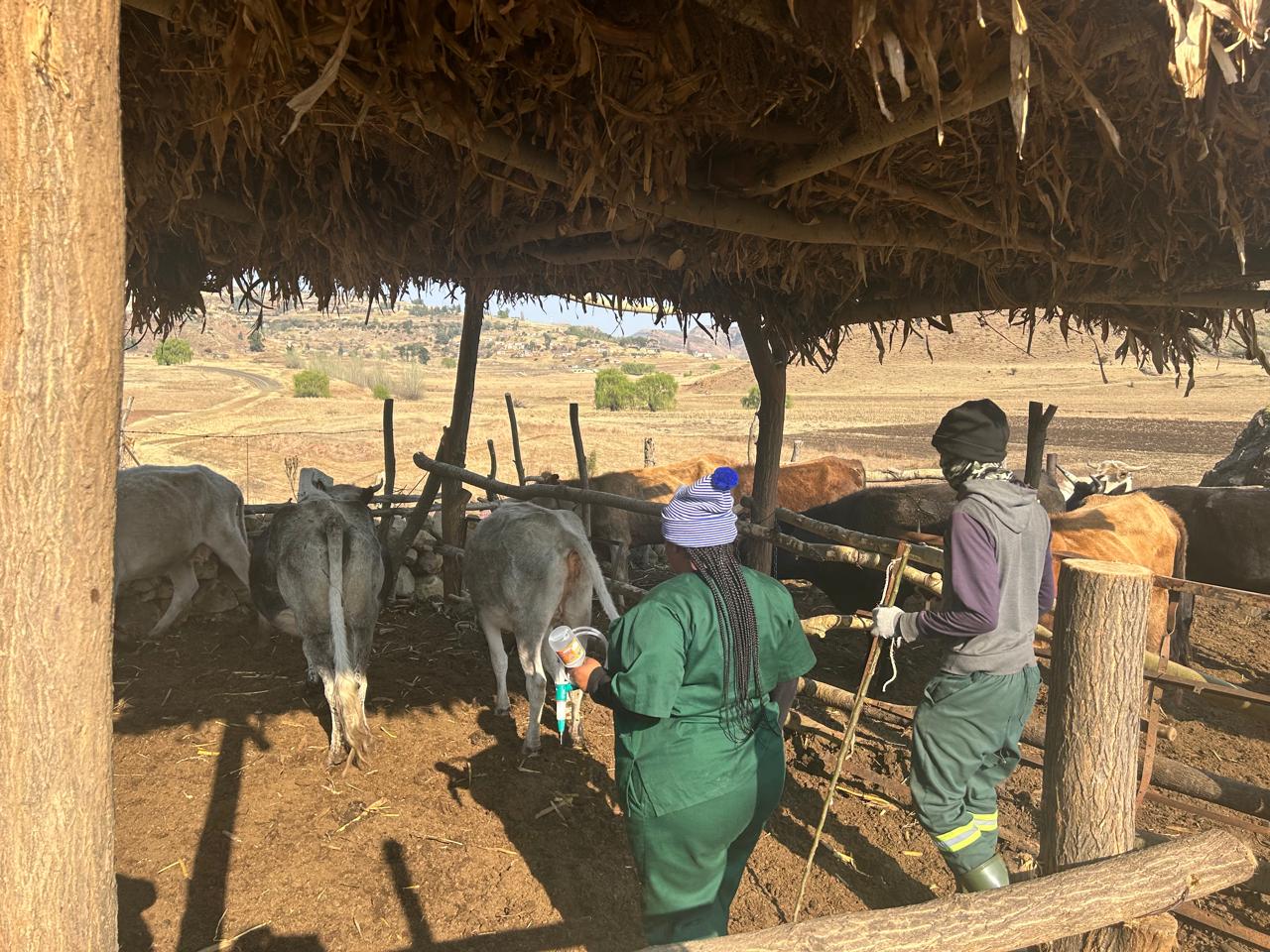
Botha-Bothe, Sept. 23 — The second dose of the Foot-and-Mouth Disease (FMD) vaccine is expected to be administered to cattle in Botha-Bothe in October, following the successful administration of the first dose over the past three weeks.
This was revealed by the Botha-Bothe District Veterinary Doctor, Dr Lineo Lepolesa, in an interview with the Agency. She said the administration of the first dose was nearing completion, with vaccination expected to conclude at Rampai Resource Centre on Friday.
“We have worked well over the past three weeks administering the first dose of the vaccine in the district. Many farmers showed up and brought their cattle for vaccination, unlike in some vaccination campaigns that we normally have.
“With this one, we saw high numbers of people coming forward to get their cattle vaccinated. Of course, there are still challenges with people who do not want their animals vaccinated,” she explained.
Dr Lepolesa said some farmers had told veterinary officials that they would not bring their animals for vaccination because they believed they could purchase the vaccine and administer it themselves. Others, she said, wanted to be given the vaccines so that they could vaccinate their animals without the assistance of veterinary officials, while some claimed that the vaccine made their animals sick.
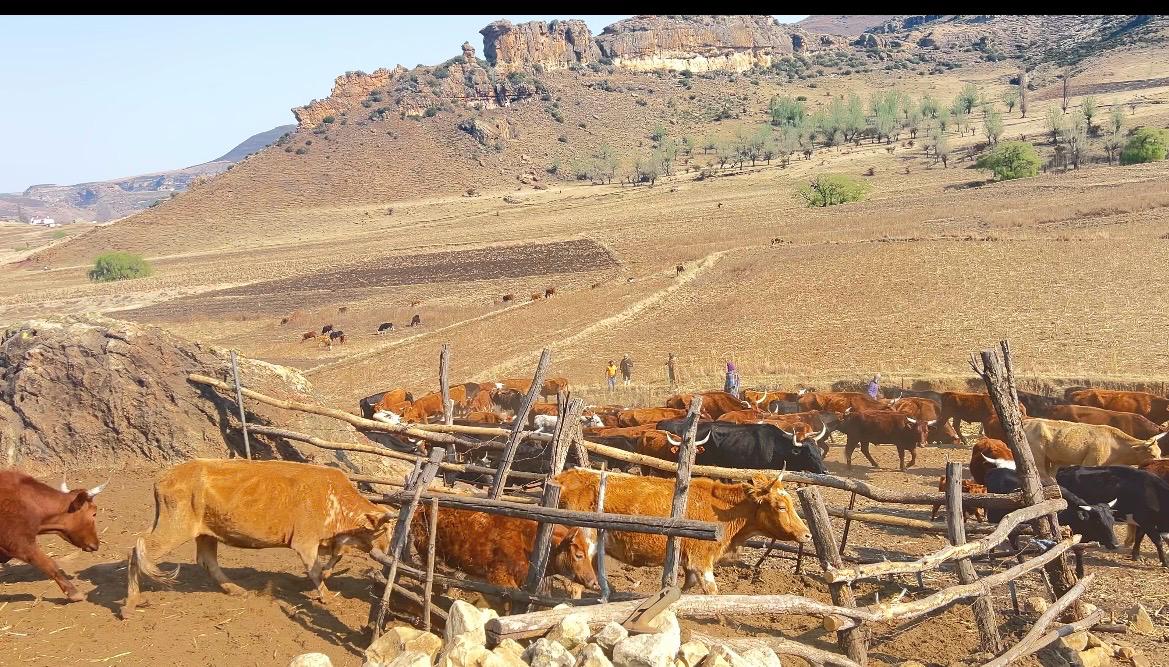
She cited the example of a chief who refused to have his animals vaccinated, saying this had raised questions among community members about the vaccine because their leader was reluctant to have his own cattle vaccinated.
Dr Leponesa commended farmers and community leaders in most villages for their cooperation during the vaccination campaign and called for continued cooperation during the second round.
Last month, Minister of Agriculture, Food Security and Nutrition, Mr Selibe Mochoboroane, said a consignment of 10,000 doses of FMD vaccine from Botswana was expected to be administered to cattle in Botha-Bothe only, due to the rate at which the disease was spreading in the district.
Dr Leponesa also explained last month that Rampai Resource Centre would be the last area to receive the vaccine, despite being the area where the disease was first detected and where a high number of cattle had been confirmed to have FMD.
She said the vaccination exercise was being conducted according to the principle of starting in areas where the disease had not been reported or where there had been very few reported cases.
She added that only cattle aged three years and above would be vaccinated, saying the disease appeared to have affected cattle more than other animals.
She further indicated that the focus was on cattle because they appeared to be contributing more to the spread of the disease, as they showed signs of infection quickly, including excessive drooling, which could contribute to the spread of the virus.
Ends/MAJL
