
MASERU – Members of Hatoa Mose Mosali say weaving remains a source of income and independence, but the organisation continues to face challenges accessing markets for its products.
In an Interview with the Agency the group manager Mrs Mathabelo Lints’i maintained that weaving was more than a traditional craft as it also helped preserve skills that could disappear among younger generations.
“We produce our products, but then we do not have buyers,” she said.
She indicated that Hatoa Mose Mosali was established in 1991 to empower women to work together and become financially independent. The legally registered organisation currently has eight members, three of whom work from home.
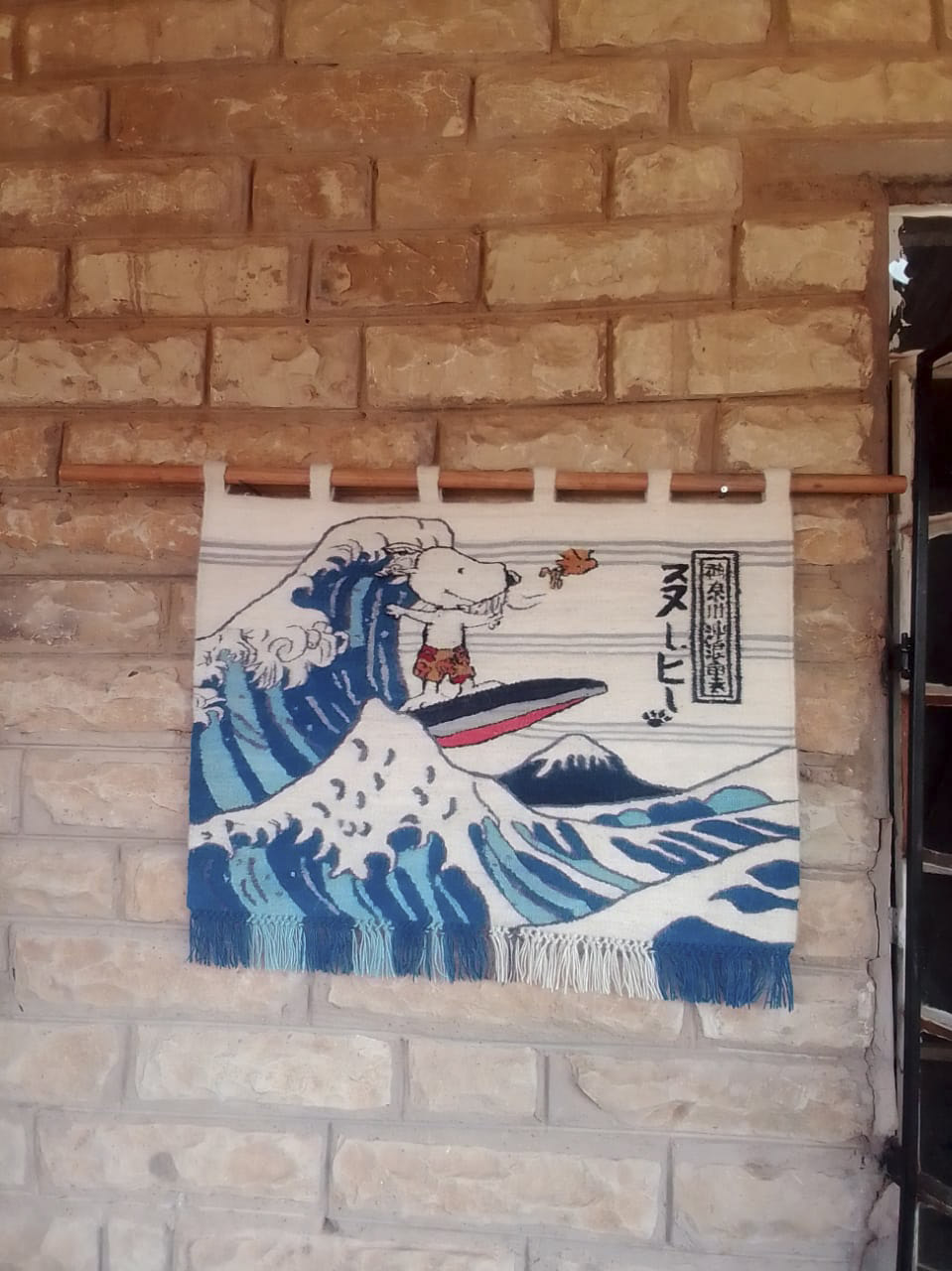
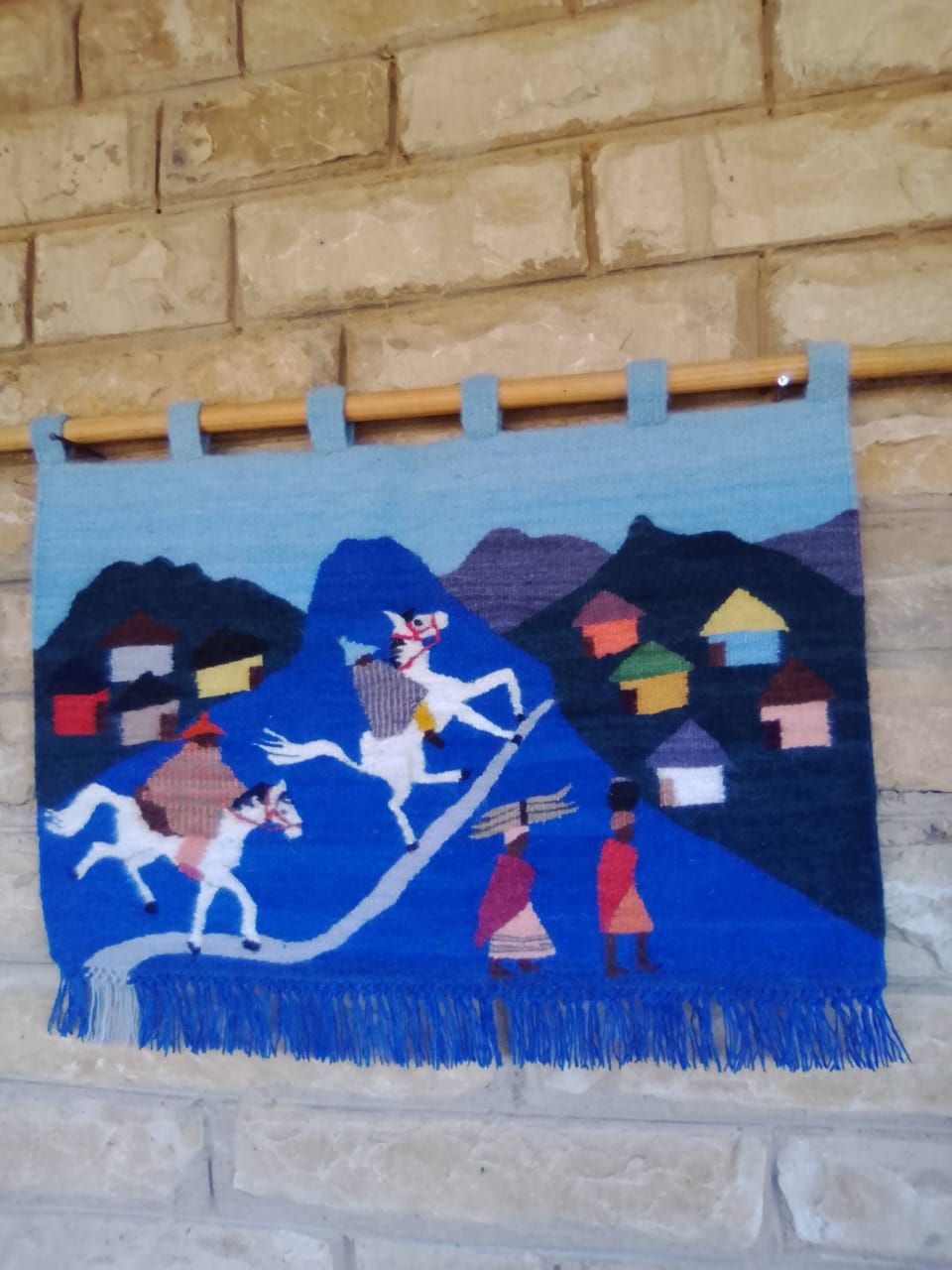
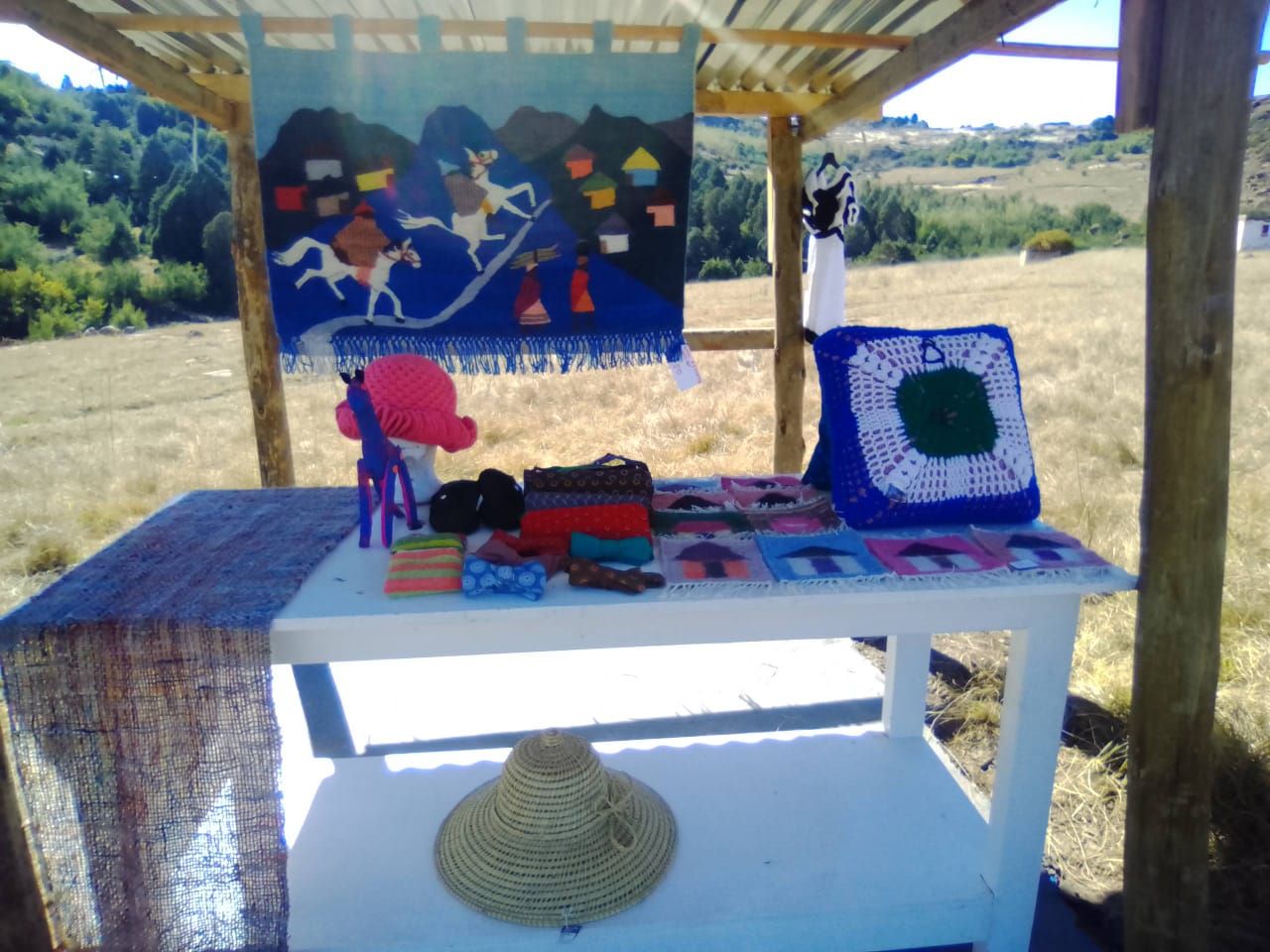
Mrs. Lints’i said that the group produces wool and mohair products including ponchos, shawls, tapestries, shoes and hats. It sources wool from Basotho farmers and also spins its own yarn.
Mrs. Lints’i said the organisation had survived for more than three decades, but growth had been affected by limited marketing opportunities, expensive equipment and difficulties accessing exhibitions.
She said exhibitions had previously helped the organisation reach customers, but reduced opportunities had made marketing harder.
She added that some weaving equipment was too expensive, while specialised equipment had to be imported.
The women believe access to international markets could improve their business, but the cost of participating in international exhibitions was beyond their reach.
Mrs. Lints’i further indicated that many people currently involved in weaving were older, while young people were reluctant to take up the skill because it required patience before generating income.
She is calling for more training and motivation for young people to ensure traditional skills are passed on.
Mrs. Lints’i also said small weaving groups struggled to buy wool at competitive prices, as producers sometimes expected them to pay prices similar to those offered to larger buyers.
She expressed concern that people in the weaving sector were not taken seriously in decisions affecting them, and that unfulfilled promises from stakeholders affected the group’s planning.
Mrs.. Lints’i said they needed a clear market, youth training, and greater support and recognition for small creative businesses.
She further mentioned that they needed a clear market, youth training, and greater support and recognition for small creative businesses
Project Manager at the GEM Institute in Maseru, Ms. Realeboha Qoola Speaking during the Creative Connect Accountability Seminar held in Maseru on Tuesday said Lesotho had significant creative potential, particularly among young people, but the country needed to determine how that talent could become sustainable livelihoods.
“Lesotho is beginning to see growing international interest in its cultural products. We need to strengthen the creative sector to ensure Basotho are ready to participate effectively at global level,” she said.
Ms. Qoola stressed the need to connect creative with government and markets, and to develop proper registration and legislation for the sector.
She said the experience of Hatoa Mose Mosali showed that producing quality cultural products was only part of building a successful creative industry.
Ends/TS
