
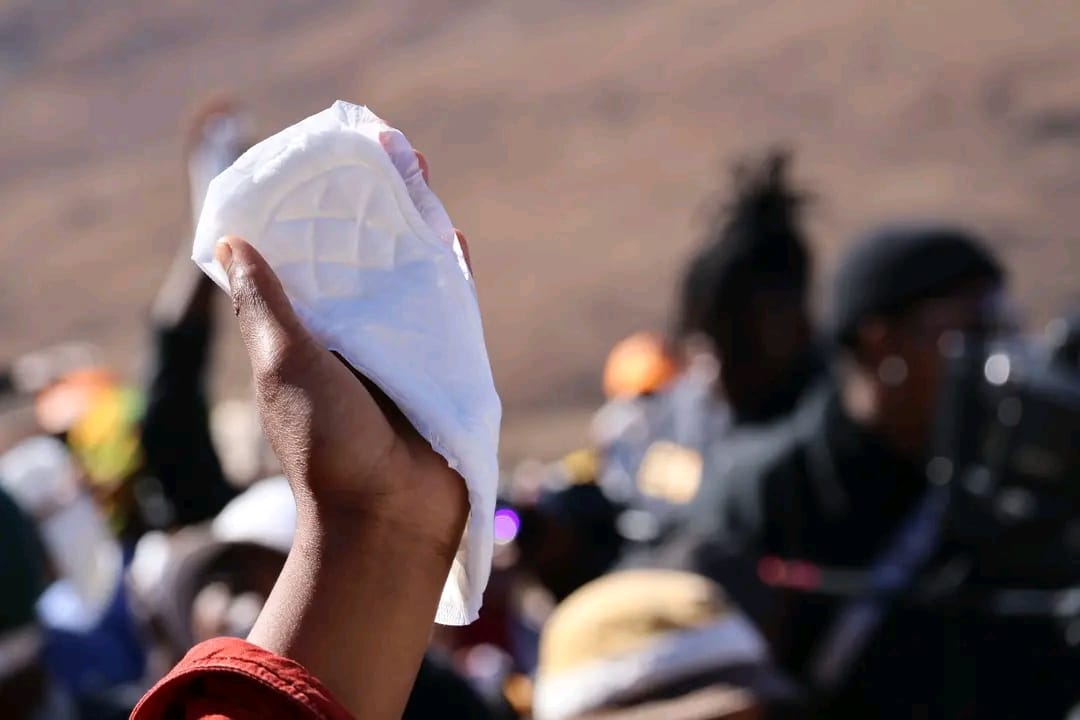
Qacha’s Nek, 0ct. 16 — Across Lesotho’s quiet hills, there is a silence that bleeds every month, unspoken, unseen and endured behind closed doors.
For many girls, menstruation means missed school days. For girls and young women with disabilities, it means something even heavier: exclusion from education, isolation within families, and indignity wrapped in cloth.
Menstrual poverty affects thousands across the country, but for those living with visual or physical impairments, it’s more than a hygiene issue, it’s a barrier to dignity and equality.
According to the national education data from the Ministry of Education and Training (MoET) and United Nations Children Fund (UNICEF) Lesotho on period poverty (2019–2021), around 22 percent of girls miss school during menstruation due to lack of pads, privacy, or support.
Among them is Mpho*, a 24-year-old visually impaired young woman who knows this silence all too well. Each month, her period brings not only pain but also a reminder of how far society still has to go in understanding disability and dignity.
When she gets her period, she stays home.
“I feel embarrassed,” she says softly.
She recalls her first period at the age of 12, while attending school. “Luckily, at school we were taught about menstruation,” she says, “but the challenge was access to sanitary towels. When I was menstruating, I had to use cloths. I have a heavy flow and I get stressed myself often, so I stopped going to school or even outside during my periods because it was embarrassing. It took me a long time to adapt.”
At school, she said she sometimes had access to pads, but at home she relied entirely on cloths. “My mother knew about my periods, but she told me she had no money for pads. That went on for years. I made peace with using cloths, but even after a decade, I’m still uncomfortable whenever I use them. I’m never free.”
She washes and reuses the cloths each month. “I couldn’t throw them away. I was afraid of asking for more from my friend who used to supply me with cloths because she also used them,” she says, with a weary sigh.
“Even now, I still use cloths. I only buy pads when I have money, but that doesn’t happen often. It was painful at first, but I’ve made peace with it,” she says, adding that both her parents work in South Africa.
As the eldest of four siblings, Mpho* stays behind to care for her family. “We were under my aunt’s care, even though she didn’t live with us. When my mother sent money, my aunt would buy us food but never pads not even once. I kept telling my mother I needed sanitary towels, but now she sends the money to my younger sister, who only buys pads for herself. When I ask, she refuses to share. My mother just tells me to talk to her again, but nothing changes.”
Mpho* lowers her voice. “I’m afraid to tell my mother that my sister refuses because she’s the favored child. I don’t think they’ll ever understand my suffering.”
She explains that even household transactions make her feel invisible. “When I was still staying with my sister before enrolling in another school, my phone was used for the transactions. My mother would call and ask me about my sister’s whereabouts, but never about me. I feel hugely discriminated against in my own home, and I believe it’s because of my visual impairment,” she says.
“I love and respect my parents, but how they treat me is painful.”
Mpho* believes that free sanitary pad distribution could change lives for girls like her, and she also advocates for braille-inclusive sexuality education. “I last learned about sexuality education at St. Catherine’s,” she says, “and I wish that every school could include disability-friendly materials.”
For Lerato*, a 17-year-old visually impaired girl, her first period was an experience marked by confusion and shame.
“It was a bad experience,” she recalls. “I was clueless about menstruation and how to use sanitary towels. I was staying at a boarding school at the time, and no one had ever explained what to expect. When my period came, I was even borrowing pads from other students.”
She laughs softly, then shakes her head. “I didn’t know how pads worked. I only removed the top paper but not the one with wings. It was so uncomfortable because that paper scratched me. After a few minutes, I had already stained myself. My classmates made painful remarks, and I dreaded my periods.”
When her aunt later found out, she didn’t scold her, instead, she talked to her mother. “My mother sat me down and explained everything, and I thank God for that. Now I can take care of myself better and recognize the signs before my period starts,” Lerato says.
But even with this knowledge, stigma and embarrassment remain constant companions. “For visually impaired girls, it’s worse because we don’t notice when we stain ourselves. Unless someone tells us, we don’t know. It’s sad as some girls even drop out of school because of the teasing.”
Although Lerato is among the few who now have access to pads, she says hygiene facilities are another challenge. “Our school toilets aren’t clean, so I wait until after class to change. By then, the pad is too full, and I end up staining myself again.”
She adds that public toilets are also unsafe. “Most are dirty, and if I’m alone, I can’t even check if it’s clean. I’m afraid to sit down,” she says.
While grateful for the little she has, Lerato worries about others. “Some girls use socks because they can’t afford pads. We really need free sanitary pads in schools and communities. And there should be better information sharing — even for parents. If I’d been informed earlier, I wouldn’t have gone through so much shame.”
At only 14, Ts’episo*, a Grade 6 pupil who is visually impaired, already carries the weight of poverty, stigma, and adolescence. Her small hands twist nervously in her lap as she explains that she uses reusable cloths during her period because her parents cannot afford pads.
“I really wish someone could help us,” she says quietly. “My parents can’t buy pads, and every month I worry about staining my school uniform. Sometimes I stay home because I’m too embarrassed to go to class.”
She explains how she washes and reuses a single piece of cloth every cycle. “It’s itchy and uncomfortable, but I have no other choice. When I sit in class, I can feel it shifting, and I’m scared it will leak. I can’t even focus when I’m on my period.”
When she does go to school, the anxiety is constant. “If I stain myself, other students laugh. They whisper, and I just want to disappear. It’s the worst feeling,” she says, her voice trembling slightly.
Ts’episo* dreams of becoming a teacher one day “so I can help children who feel left out like me,” she says. But she worries that missing school will cost her that dream. “If I had pads, I wouldn’t have to stay home. I’d go to school every day, just like everyone else.”
She pauses for a moment, then adds softly: “I don’t want special treatment. I just want to feel normal.”
Together, their stories paint a painful picture of how period poverty, disability, and inequality intersect, silencing girls before they even have the chance to speak for themselves.
A guardian of a visually impaired girl said the journey of raising her niece has been filled with both love and hardship.
“It was difficult,” she admits. “The hardest part was accepting her condition because she wasn’t born visually impaired. It happened when she was eight years old, and at first, we didn’t know how to cope. Over time, we accepted her situation, but it hasn’t been easy.”
She recalls the struggle of finding a school that would accept her child. “We were relieved when she was finally admitted, but even then, challenges followed. Every day brought something new – accessibility, safety, even transportation. Through God, we walked the journey.”
When her niece began menstruating, another layer of difficulty emerged.
“Her menstrual journey was harder than anything before,” she says softly. “We were lucky because she’s a clean and responsible child, but I didn’t know how to talk to her about periods. It’s not something our mothers ever discussed with us. I waited until I learned she was already menstruating, that’s when I finally found the courage to talk to her.”
She adds that ensuring menstrual hygiene was a constant financial strain. “Even when I was unemployed, I tried to make sure she had pads. Sometimes I would go without something for myself just so she wouldn’t feel ashamed. I wanted her to know that her period is not a curse, but a normal part of life even though, in our culture, it’s still treated like something to hide.”
The guardian says she wishes more awareness campaigns could reach parents of children with disabilities. “Many of us don’t know how to start these conversations. If we are taught, we can help them feel safe and confident.”
Another parent, who is raising a 15-year-old daughter with a visual impairment, shares a similar struggle.
“We want to help our daughters, but sometimes poverty makes it impossible,” she says, her voice breaking. “There were times when I had to choose between buying food and buying pads. How do you make that choice as a mother?”
She describes watching her daughter hide during her period out of shame. “When she stained her clothes, she would cry and refuse to go to school. I used to wash her uniforms secretly at night because she didn’t want anyone to know. It hurt me deeply.”
For her, the problem is not just access, but silence. “In our villages, menstruation is still a taboo topic. People say it’s dirty or shameful, so even other mothers don’t talk about it. But that silence is what hurts our girls the most. They end up learning from pain instead of from us.”
She believes the government and communities must do more to support families like hers. “Pads should be free in all schools, especially those with pupils with disabilities. And there should be training for parents too. We need to know how to talk about these things without fear.”
Her final words carry both exhaustion and hope.
“Our daughters are already fighting two battles – one against disability and another against poverty. If we can give them pads, education, and acceptance, maybe they can finally feel like they belong.”
The Lesotho National Federation of Organisations of the Disabled (LNFOD) Gender Officer, Ms. Refiloehape Sesinyi, says period poverty has a particularly harsh impact on girls and women with disabilities.
“Disability and poverty are deeply interconnected not just in Lesotho but globally,” she explains. “That interconnection means girls with disabilities experience menstrual poverty more often. Because of poverty, they can’t afford menstrual products, and because of accessibility issues, whether it’s information, infrastructure, or program reach, they are often excluded from the very initiatives designed to help.”
Ms. Sesinyi notes that while there have been advocacy efforts, Lesotho lacks specific programs targeting women and girls with disabilities on menstrual health.
“As far as I know, there are very few, if any, programs uniquely designed for women and girls with disabilities. Stakeholders are trying, but their efforts remain minimal and uncoordinated,” she says. “This lack of coordination means that while many organisations are addressing menstrual poverty, these initiatives often miss the most marginalised groups.”
She highlights the absence of disability inclusion in national policy frameworks.
“There is no policy that directly focuses on women and girls with disabilities, not even within the Gender Policy,” she explains. “That silence creates a high probability of exclusion when new policies are established. Although we appreciate ongoing advocacy by different organisations, their efforts need to be intensified. Encouraging participation from young women and girls with disabilities requires first removing the barriers that keep them from engaging.”
Ms. Sesinyi criticises the country’s uncoordinated approach to menstrual health interventions.
“Right now, everyone runs their own initiatives at different times. There’s no regulation or coordination, and that lack of structure leaves behind marginalised groups, especially those with disabilities,” she says.
When it comes to product design and accessibility, she stresses that most menstrual products available in Lesotho are not disability-friendly.
“Take, for example, a girl who uses a wheelchair or a person who wears diapers, ordinary pads are not designed for their needs,” she explains. “Even for visually impaired users, product designs and packaging aren’t user-friendly. Instructions aren’t accessible in braille or simplified formats. And products that do meet international standards are too expensive, while the affordable ones compromise on quality.”
She adds that even local efforts in reusable pad production have not been inclusive.
“If Basotho women are making reusable pads, where are the women with disabilities in that process?” she asks. “If they are not involved, then we’re not really targeting or including them. Packaging doesn’t communicate in accessible ways for people with intellectual disabilities, for instance. Most interventions are designed for mainstream users and that’s a major gap.”
Ms. Sesinyi commended UNFPA Lesotho and UNESCO for leading regional training on the Breaking the Silence approach, which guides the inclusion of persons with disabilities in sexuality education and health promotion. She also acknowledged the efforts of UNICEF and UNAIDS in supporting disability-inclusive programming.
However, she says systemic challenges persist, particularly in education and health.
“Access to information remains a huge barrier,” she says. “Many girls with disabilities don’t attend school. Those who do often miss out on comprehensive sexuality education, leaving them vulnerable to gender-based violence. Some don’t even know about consent or how to report abuse. When cases do arise, the justice system still questions them unfairly, for example, asking a visually impaired survivor how she could ‘see’ her perpetrator.”
LNFOD often plays a supportive role by coordinating with police and courts to provide interpreters and ensure reasonable accommodation, but Ms. Sesinyi warns this model is unsustainable.
“We’re donor-funded, and that limits how much we can do,” she says. “If the entire country depends on LNFOD for inclusion, it’s not sustainable. We need stronger government ownership and coordinated policies to make inclusion permanent.”
In the health sector, she says attitudes remain a barrier to access.
“People still have preconceived ideas about what persons with disabilities should be like, and that prejudice affects service delivery,” she notes. “Sexual and reproductive health and rights are human rights, they are enshrined in the UN Convention on the Rights of Persons with Disabilities and in Lesotho’s own Persons with Disabilities Equity Act of 2021. Yet, in many health facilities, data isn’t even disaggregated to identify patients with disabilities. That exclusion has to change.”
Looking ahead, Ms. Sesinyi says Lesotho can learn from countries that build inclusion from the start.
“In every policy or strategy, girls and women with disabilities should be included from the planning stage, not as an afterthought when funding becomes available,” she says. “We need to adopt a universal design approach and set local standards for accessible products and services. Not everything should be imported; we can establish national guidelines to ensure inclusion from the beginning.”
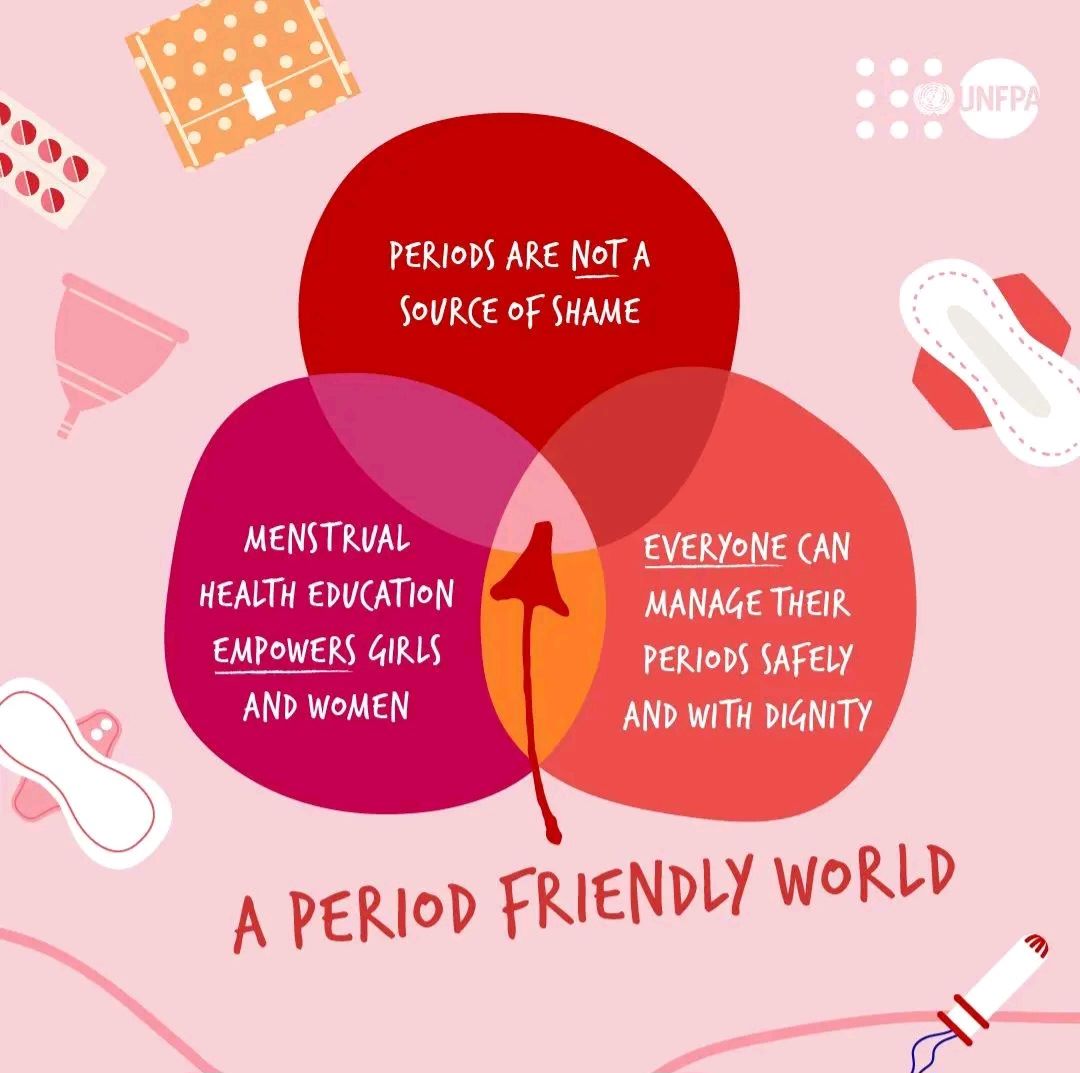
Mrs. ’Maseretse Ratia, UNFPA’s National Programme Analyst for Adolescents and Youth, said that in 2022, UNFPA supported a situational analysis on Menstrual Health and Hygiene (MHH) conducted by Lesotho’s Ministry of Health (MoH). The study aimed to assess whether young people including those with disabilities understood menstrual health, as well as cultural norms, practices, perceptions around menstruation, period poverty, and the state of Water, Sanitation, and Hygiene (WASH) facilities.
She explained that the study also sought to understand the policy and enabling environment for MHH in the country, noting that young people with disabilities were included in the analysis to identify the specific challenges they face.
Among the findings, she said the study revealed widespread period poverty, which contributes to absenteeism in schools, and a lack of a strong enabling environment for menstrual health for all. While basic knowledge about menstruation exists, she said there is minimal awareness about comprehensive menstrual health, including hygiene practices and health-related issues.
“MHH is not just about blood,” Mrs. Ratia said. “It also includes the health challenges that can arise from menstruation, hygiene management, and related conditions.”
She said the analysis highlighted that young people often feel “frustrated and ashamed during menstruation, and many do not understand the changes of puberty. For young people with disabilities, particularly those with visual impairments, the challenge is even greater. They cannot see menstrual blood, so they rely on guidance from others to understand and manage menstruation properly.”
She said the analysis recommended the development of a comprehensive MHH strategy, which UNFPA helped the MoH create.
“During the development of this strategy, we engaged institutions supporting people with disabilities, and young people with disabilities themselves were involved in the process,” she said. “The strategy is inclusive, addressing the needs of all menstruating people, including women with disabilities,” she said.
Mrs. Ratia emphasized the unique difficulties of menstruating without sight.
“When you cannot see your blood, unless someone notices a stain, it can be extremely embarrassing. You may stain yourself and be unable to clean properly. The strategy highlights these challenges and emphasizes disability inclusion and human rights principles.”
Following the strategy’s development, she said UNFPA launched the Breaking the Silence program within the framework of CSE.
“This program trains teachers and facilitators who also guide parents on how to educate young people with disabilities about sexuality,” Mrs. Ratia said. “Menstruation is a major component. We have developed resources to help young people with disabilities identify menstruation through tactile learning for those with visual impairments. The materials also teach human anatomy and the reproductive system using accessible formats, including devices that explain pictures explicitly.”
She said UNFPA also ensures meaningful participation of young people with disabilities:
“We have trained youth representatives with disabilities on CSE, included them in forums, and engaged higher education institutions to revise special education curriculum to integrate CSE for young people with disabilities,” she said.
Currently, UNFPA is preparing to hand over a youth handbook, Risk Reduction and Avoidance, to the MoH, developed with support from UNFPA and UNESCO.
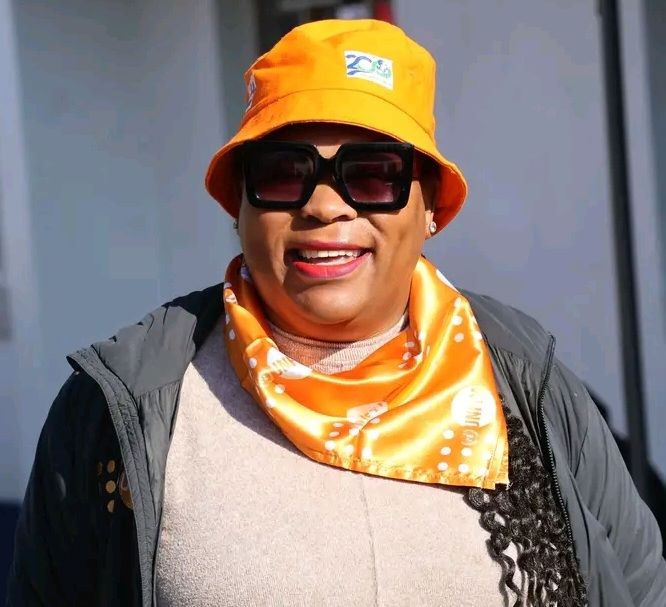
“The handbook will be available in 100 braille copies, 100 audio copies, and 100 large-font copies to respond to diverse disability needs,” Mrs. Ratia noted.
Mrs. ’Mathato Nkuatsana, Adolescent Health Programme Manager at the MoH, emphasized that while cloths were traditionally used for menstrual hygiene, they had to be cleaned, dried, and stored properly to avoid health risks.
“Nowadays, due to poverty, women might use any cloth they can find, even baby clothes. These makeshift solutions are often reused without proper cleaning, creating a breeding ground for fungus and bacteria,” Mrs. Nkuatsana explained.
She added that sanitary pads, while designed to be breathable and stored in clean environments, can still pose health risks if used improperly.
“Prolonged use of a single pad or cloth can lead to vaginal infections, which may escalate to more severe conditions like cervical cancer,” she warned.
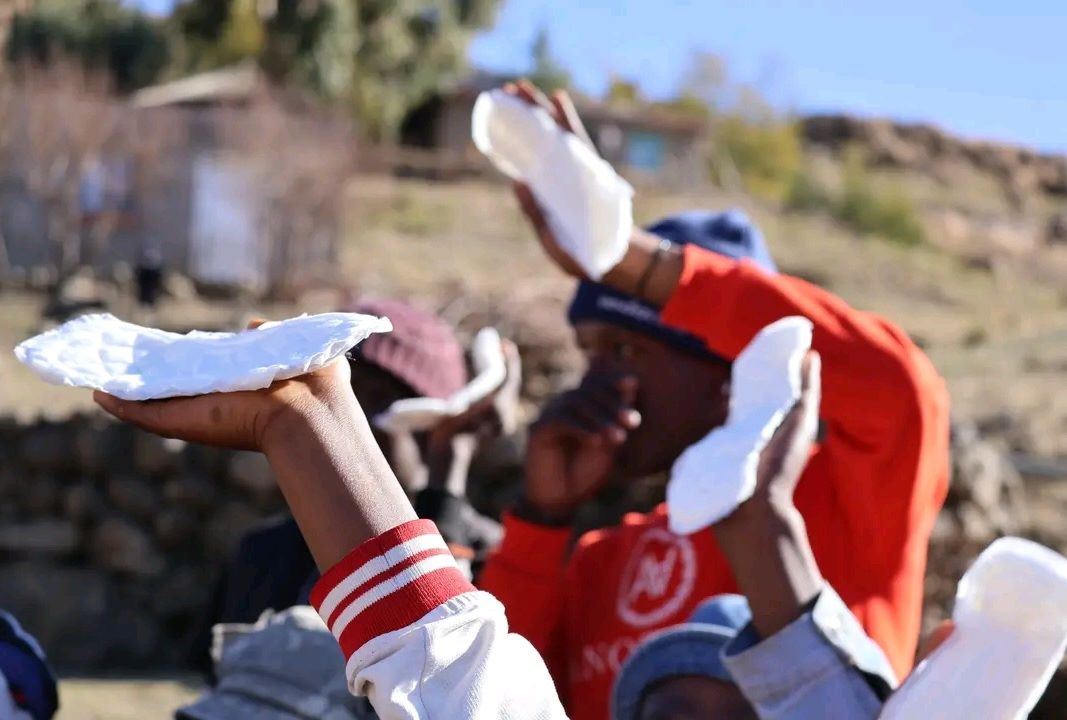
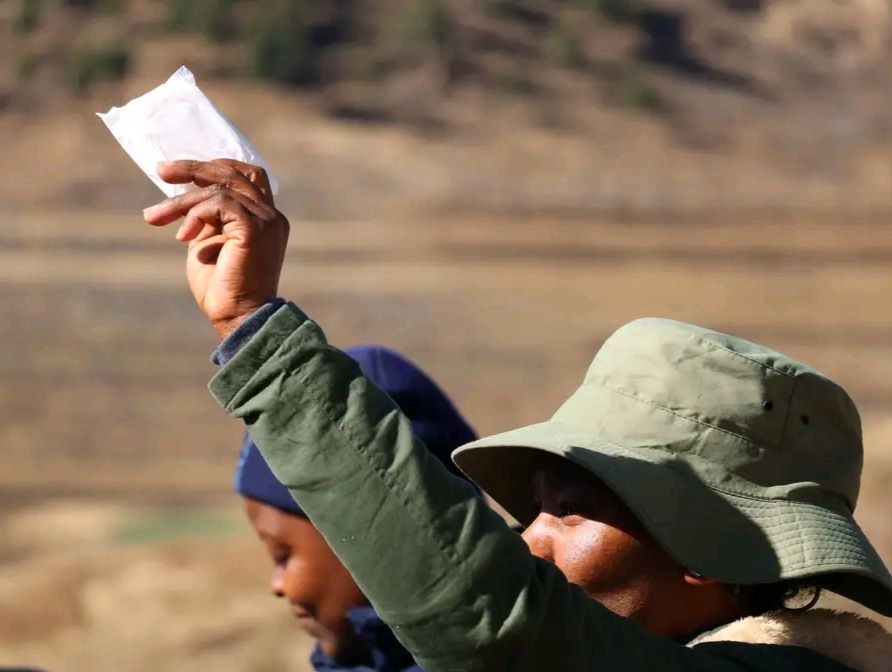
“Friction from extended use can cause tiny pimples, itchiness, redness, and swelling. Over time, this may progress to blisters, rashes, or even open wounds. Abnormal vaginal discharge, often with a foul smell, is a common sign of infection.”
Mrs. Nkuatsana stressed that the MoH provides education and access to services but noted unique challenges for young women with disabilities.
“The absence of interpreters, particularly for those needing sign language, is a major barrier. For young people with intellectual disabilities, we have to teach them as if they were children, even if they are older,” she explained.
“We still rely heavily on their guides and assistants. Only some facilities have sign language interpreters, and there is nothing fully tailored for these groups yet.”
To address these gaps, she said the ministry is developing Information, Education, and Communication (IEC) materials in pictograms, braille, and large print, alongside a free sanitary pad distribution model for youth aged 10–24.
“We are still working on this. Communication remains a challenge as some young people do not fully understand how to use a pad,” she said.
Although the new MHH Strategy has been developed, it has not yet been launched. Mrs. Nkuatsana acknowledged that menstruation remains a taboo topic for many parents.
“Our findings show that this new generation of boys are increasingly comfortable discussing menstruation with their sisters, but parents often struggle to have these conversations with their children. Continuous education is needed to normalize menstruation for families.”
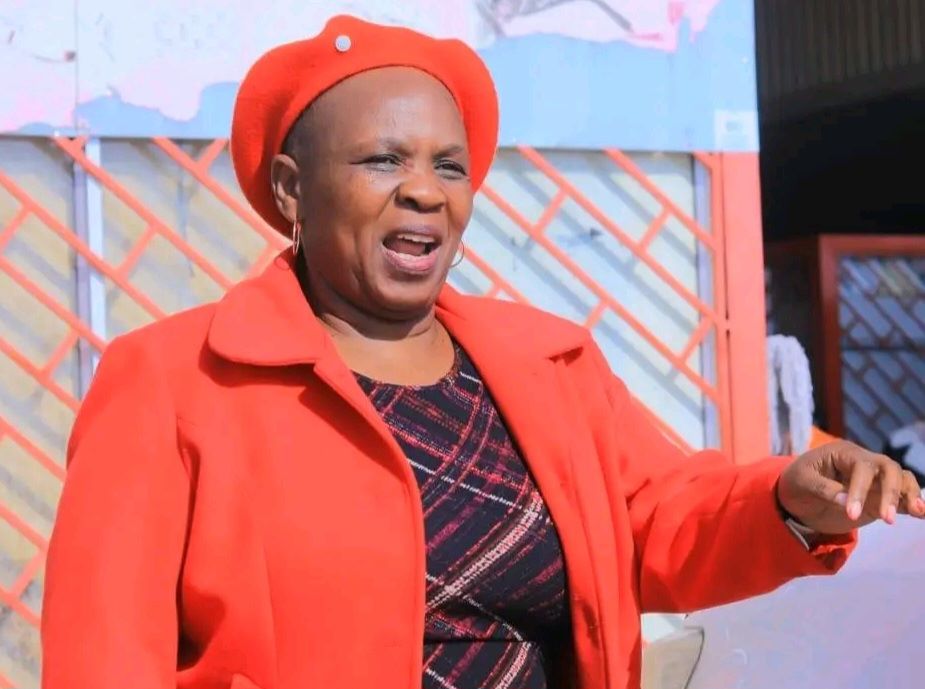
Coordinator of the Learner Care and Welfare Support Unit at the MoET, Mrs. Mpheng Molapo, emphasized that the Lesotho School Health and Nutrition Policy of 2018 guarantees that all learners have access to health-related services, including vaccinations and sanitary products.
“By right, every pupil should access these services,” she said, adding that the ministry has guidelines for any organization bringing interventions into schools.
“First, you must start with the District Education Manager to explain the services and coordinate with relevant stakeholders. Some interventions, like vaccinations, require parental involvement. But we ensure that any program benefits learners and is not just done for the sake of it.”
Mrs. Molapo noted challenges in reaching learners in remote areas, where distribution of resources like sanitary towels is inconsistent.
“Some pupils miss school during menstruation due to lack of pads. It’s not easy for them to open up as it’s embarrassing. Schools are expected to buy emergency sanitary towels with the limited funds they have. We encourage that any distribution should reach everyone, not just those near towns.”
She also highlighted the importance of collaboration with stakeholders:
“We ask those distributing pads not to be selective. Principals are encouraged to approach the business community for additional support. Relying solely on the government can slow progress, so partnerships are crucial to ensure all learners benefit.”
The Manager of the Special Education Unit, Mrs. ’Mapaballo Setlaba, explained that the MoET oversees three types of schools: special schools (where almost everything is accessible), inclusive schools (mainstream schools that meet certain accessibility standards to secure resources for pupils with disabilities), and regular schools.
She highlighted the Lesotho Inclusive Education Policy of 2018, noting that one of its key principles is for a child to attend a school closer to home, chosen in consultation with their parents.
“However, due to limited resources, if a regular school cannot cater to a child’s needs, the policy allows for boarding school placement. Inclusive education requires a learner to meet three principles in a classroom: be present, participate, and achieve. It is not enough for a learner to just attend; they must be able to fully participate. This is why regular schools typically accommodate children with mild or moderate disabilities, while those with severe disabilities attend special schools.”
Mrs. Setlaba said the ministry, through the Education Facilities Unit (EFU), is actively working to improve infrastructure, including building accessible toilets. She said UNICEF Lesotho has already assisted in constructing toilets in ten regular schools with high numbers of children with disabilities to enhance privacy and hygiene.
She emphasized the role of the Learner Care and Welfare Support Unit, which trains teachers to pass knowledge on to parents and pupils.
“In schools far from services, pupils still miss classes during menstruation. Around towns, schools with emergency pads reduce absenteeism, but children from orphaned or child-headed households still struggle, highlighting the need for the free sanitary towel program, which has yet to be launched.”
Mrs. Setlaba noted that the number of children with disabilities in schools has increased, but many remain hidden due to overprotective parents who fear discrimination or ridicule.
“Parents should approach the district education office for guidance on school placement. Special education officers support schools to ensure children with disabilities are included, especially if a suitable school is not nearby.”
She acknowledged ongoing resource challenges but highlighted efforts to train teachers as the first line of support.
“The ministry provides assistive devices, both technological and non-technological, to remove barriers. For new infrastructure, builders are encouraged to design inclusively, avoiding obstacles that could limit accessibility.”
According to UNICEF Lesotho’s Children with Disabilities Brief (2022), only 42 percent of children with disabilities are enrolled in school, a figure that exposes the scale of exclusion long before menstruation begins. When periods do start, inaccessible sanitation, unsupportive caregivers, and persistent myths about disability compound the barriers.
The report shows that many disabled girls resort to improvised materials such as rags, newspapers, or cloth because they cannot afford or access sanitary pads, often resulting in infections, discomfort, and absenteeism.
Across Southern Africa, period poverty keeps many girls out of school. In Malawi and Zambia, poor menstrual hygiene facilities contribute to high absenteeism, while Botswana’s recent free sanitary-pad policy represents a promising step toward change. Yet none of these countries including Lesotho and Mozambique systematically collect disability-specific data, leaving the struggles of girls with disabilities largely invisible.
The experiences of girls in Lesotho reflect the quiet struggles of thousands across the region. From Malawi to Mozambique, poverty, stigma, and inaccessible facilities continue to undermine menstrual health, with barriers even steeper for girls with disabilities.
In Malawi, studies show that up to 30 percent of schoolgirls miss as many as five days of classes each month due to inadequate menstrual hygiene management. Evaluations under the Girls’ Education Challenge programme found that only one in eight schools had disability-friendly toilets, forcing girls with mobility or sensory impairments to stay home during menstruation. The absence of adapted teaching materials, such as Braille guides or pictorial menstrual charts, further isolates disabled learners.
Zambia faces similar challenges. Research published in BMC Public Health found that poor school sanitation, lack of menstrual products, and social taboos cause many rural girls to miss significant classroom time. While the Ministry of Education has expanded WASH programmes, there is little data showing how many facilities are accessible to girls with disabilities or how menstruation impacts their attendance.
In Botswana, a major policy shift in 2025 introduced free sanitary pads for all school-going girls, a move applauded by UNFPA as a step toward menstrual equity. Yet the programme’s rollout lacks disability-disaggregated data, raising concerns about whether schools can accommodate girls with physical or sensory impairments.
Meanwhile, in Mozambique, humanitarian responses by UNICEF and UNFPA have distributed thousands of dignity kits to girls in crisis-affected areas, helping reduce absenteeism during menstruation. Still, most programme reports do not indicate how many recipients live with disabilities.
Across the region, the pattern is clear: while governments and NGOs are taking steps to address period poverty, the intersection of menstruation and disability remains largely invisible. Without disability-inclusive data, even well-intentioned policies risk leaving the most marginalized girls behind.
As these stories show, menstruation is more than a biological event, it is a test of equality. Until menstrual health programmes, school facilities, and national data fully include girls with disabilities, education system will continue to leave some of its most vulnerable learners behind.
Ends/MAMP/tl
