
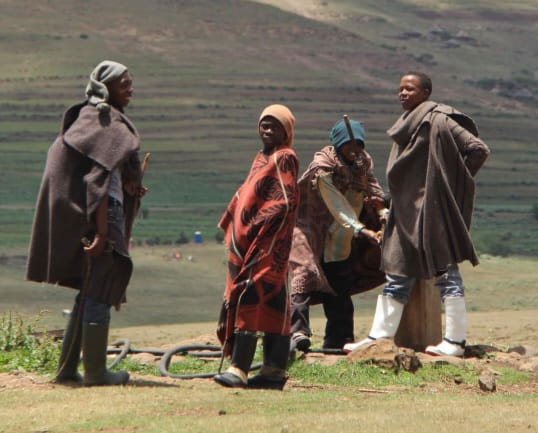
Qacha’s Nek, Nov. 26 — On paper, Lesotho has done everything right. Over the past three decades, the kingdom has ratified nearly every global treaty designed to protect children: the UN Convention on the Rights of the Child, the Optional Protocol on the Sale of Children, the Palermo Protocol, International Labour Organization (ILO) Conventions on minimum age (C138) and worst forms of child labour (C182), the African Charter on the Rights and Welfare of the Child, and the Southern African Development Community (SADC) Protocol on Gender and Development.
Domestically, its 2011 Children Protection and Welfare Act (CPWA) and the 2024 Labour Act go further, defining minimum working ages, prohibiting hazardous work for minors, and setting legal standards for safe, light work.
Yet across the highland villages of Lesotho, these legal protections often amount to little more than ink on paper.
Child labour, as defined by the ILO, refers to work that “deprives children of their childhood, their potential and their dignity, and that is harmful to their physical and mental development, including by interfering with their education.”
Lesotho’s Labour Act of 2024 further specifies that child labour includes any work performed by children below the official minimum age of 15 that is detrimental to their mental, physical, social, or moral development, or that interferes with schooling by forcing children to leave school early or combine school with excessively long and heavy work.
According to World Vision Lesotho’s 2024 report, child labour continues to affect an estimated 14 percent of the country’s youth. In many rural areas, boys and girls still follow livestock instead of textbooks, herding animals from dawn until dusk, often at the expense of their schooling, health, and childhood.
Globally, the 2025 joint ILO–UNICEF report estimates that nearly 138 million children are in child labour, including 54 million in hazardous work that threatens their health, safety, or development.
Sub-Saharan Africa remains the hardest-hit region, accounting for about two-thirds of all child labourers, around 87 million children. Agriculture is the largest sector globally, representing 61 percent of child labour worldwide. In this global picture, what is happening in Lesotho is not an outlier; it reflects broader structural problems affecting rural, agrarian societies across southern Africa and beyond.
While countries such as South Africa, Namibia, and Botswana have made progress through stronger enforcement, better social protection, and more accessible education, Lesotho appears stuck in reverse.
Lesotho’s Labour Code prohibits the employment of children, while the CPWA emphasizes the need for children to grow up in a family setup. “A child (a person under 18) has a right to live with their parents and grow up in a caring and peaceful environment,” the act reads.
It states that a child shall not be subjected to practices likely to negatively affect their life, health, wealth, dignity, or development. It mandates special protection for children deprived of a family environment and requires parents to provide for their children under 18.

The Education Act of 2010 stipulates free and compulsory education for children under 13 and affirms children’s rights to education, adequate diet, clothing, shelter, medical attention, social services, and protection from exploitative labour.
Yet in mountainous areas, many children drop out of school at the primary level to herd animals, either for their families or for pay. Some say parents impose the decision; others seek work out of economic necessity.
For many Basotho families, herding is not optional, it is survival. Livestock represents wealth, status, and sustenance. When a family loses income through drought, failed harvests, or illness, children become the easiest cushion.
Economic realities combine with social norms. Herding is culturally seen as part of a boy’s coming of age, while education is often viewed as a secondary luxury, especially when school fees and supplies accumulate. Weak infrastructure, long distances to schools, corporal punishment, and lack of sanitation contribute to dropout.
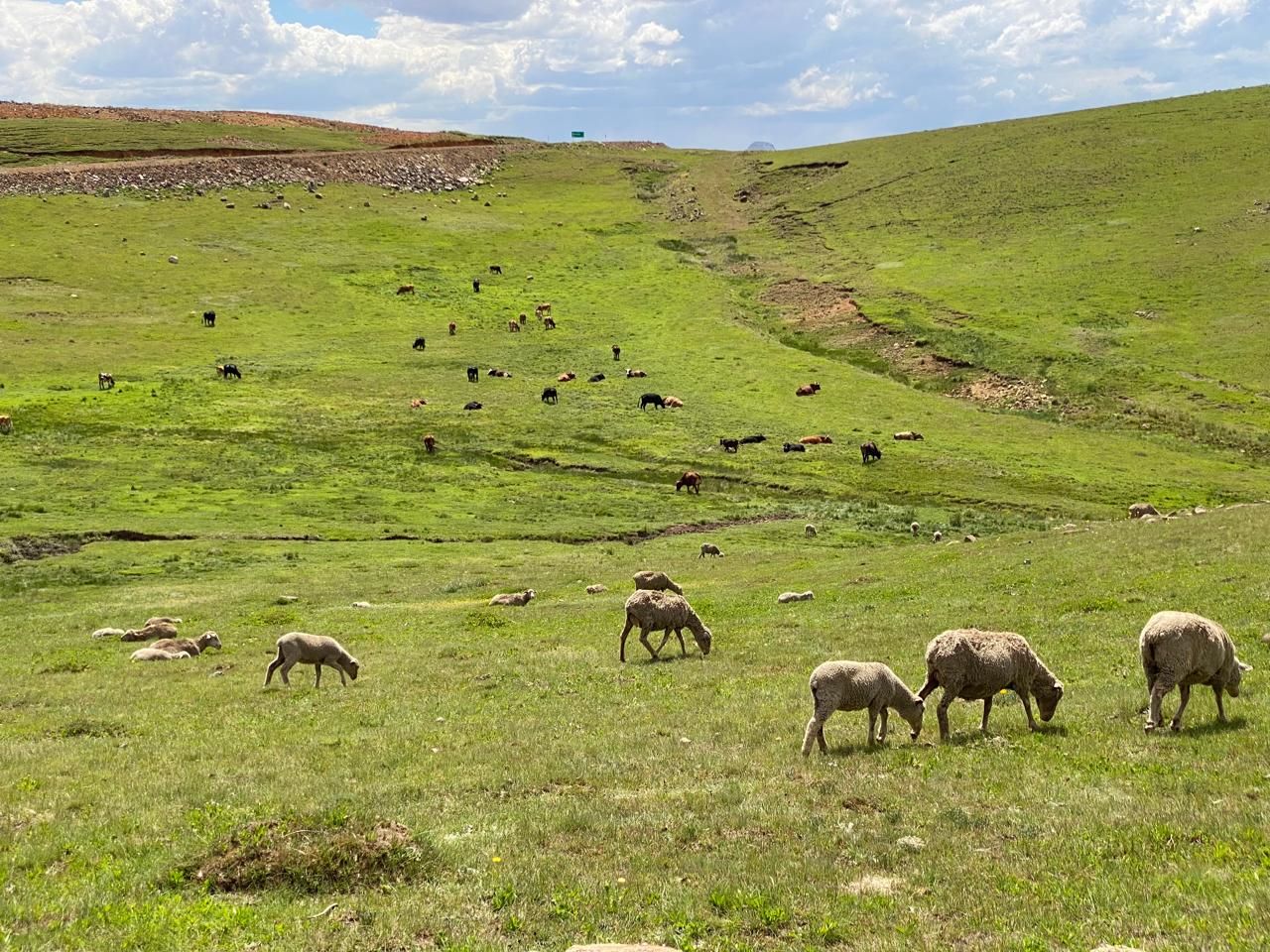
One such child is seven-year-old Lerato* from Patising, Qacha’s Nek, already being pulled from school to herd livestock. By day, she should be learning to read and write. Instead, she guides livestock through rugged terrain.
Lerato lives with her grandfather and parents, and since Grade 1, her education has been repeatedly interrupted by her duties as a herder. “I learned herding from other children in the village,” Lerato explains. “I would watch them discipline the animals and I would do the same. Herding is exhausting.”
She is called to the task whenever her grandfather is too ill to manage or when the family’s herdboy is away. “My father would be drinking beer while my mother looks after my sister’s child,” she says, revealing a household where her needs come last.
Neo*, a herdboy in Matebeng, started working at nine while still in primary school and dropped out fully at 11 on his father’s instruction. “I did, but I was devastated because I loved school and even envisioned myself as a teacher,” he said.
Life at the cattle post was harsh. “I only left home with three blankets, a bag of maize meal, and salt. I ate corn porridge with nothing else except occasional milk from the animals.”
Thato*, 14, from Lebakeng, dropped out in Grade Six after repeated beatings at school. “I woke up every day pretending to go to school only to hide myself,” he said. After escaping to his grandmother’s place, he began herding her flock, eventually earning M400 monthly. He gives M300 to his mother and keeps M100 for himself.
Tsepo*, from Melikane, dropped out because he could not afford a uniform. “I opted for herding because my peers were already being paid with animals, and I envied that,” he explained.
These cases are just a few among many victims.
Mrs. ’Mathabang Molatelle, principal of Sepechele Government Primary School, sees the toll this practice takes on students daily. “We lose children to cattle herding, and their right to education continues to be violated,” she says.
Enrollment numbers are bleak, especially for boys: “We only see good attendance in Grades 1 and 2. After that, it becomes a challenge. If a boy makes it to Grade 5, it’s an achievement. In Patising, I can’t remember the last time we had a Grade 7 pupil.” She said the impact on literacy is devastating.
“The majority of children in this area do not know how to read or write because they drop out early for herding,” she adds. In 2022, the school sought help from the police, but their presence was only a temporary deterrent. Efforts to educate parents and guardians on the importance of schooling have met with little success.
Not all parents understand the consequences of child labour. ’Mampho*, who didn’t finish school herself, admits, “I didn’t always see harm in my children leaving early. I want them to learn, but we have no money for fees or uniforms, and herding keeps the family alive.”
Similarly, Mohlomi*, a local father, said, “I never thought about it. My children help out like we did when I was young.” For others, like Khotso*, a local man, the idea of child labour is new. “I honestly didn’t even know it was considered child labour. I thought children helping with animals was just part of life here.”
Local leaders, like Patising Chief Moabi Ramohale, suggest financial strain drives dropouts. “Sometimes the school asks for a small fee, maybe M5, but when you add it up, it becomes too much, as much as M100. Parents would rather have their children herd animals,” he says. In his eyes, herding is a common, accepted practice.
Academic research supports these claims. “Culturally, in Lesotho, herding takes the first priority and as such prohibits Basotho males’ access to and retention in education,” noted academic Selloane Pitikoe in her doctoral thesis, Male Herders in Lesotho: Life History, Identities and Educational Ambitions.
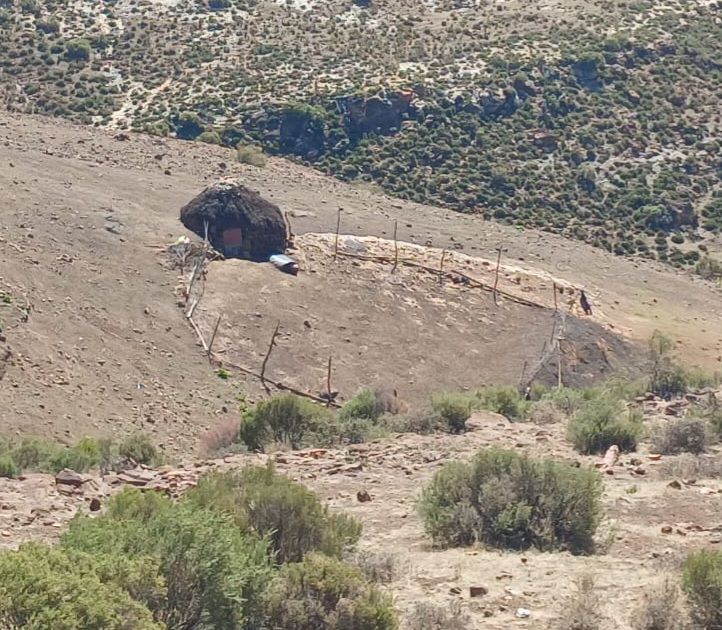
She states, “The boy in the family becomes the first resort to support the family’s financial needs. In the end, he will have to withdraw from his educational activities to look for employment.”
Another academic, Ramaele Moshoeshoe, estimates that 10–14 percent of school-age boys are herders and nearly 18 percent work for employers outside their families, describing herding as not only the most common form of child labour in Lesotho but also “the most dangerous.”
According to the Lesotho Association of Non-Formal Education (LANFE) Executive Director Mr. Tšepang Matsietsa, children as young as nine are pulled from school to herd animals and work in conditions far below global standards.
“Our 2024 internal assessment revealed that over 4,000 boys between ages 9 and 17 are attending LANFE-coordinated numeracy and literacy classes in rural areas,” he said. He said many children leave school for reasons that may seem small: gifts from NGOs, desire to own livestock, escape from punishment, or school inaccessibility.
“It’s a combination of peer influence, cultural pride, and at times coercion by adults, including child labour trafficking by parents,” he said. He stressed the need for training traditional leaders and strengthening enforcement of child protection laws.
Monna-ka-khomo Association’s Chairman Motlalentoa Hlehlisi emphasized labour protections, formal recognition, decent working conditions, and awareness campaigns in hard-to-reach areas.
Their five-year agreement with the Department of Social Development (2024–2028) disseminates the CPWA across hotspot communities, ensuring children know their rights and can attend school.
“Statistically, it was found that children are being abused in so many ways, and some of them don’t even know it, so our agreement was that we give either parents or guardians the Act, and with adequate information, we believe the narrative will change,” he said.
He added that in cases of child labour, when they intervene, they use the law as their guiding tool. “In some cases it’s difficult to intervene as those close to the matter, including alleged victims, hide the situation in belief that it is the right thing to do because that’s all they know as per the environment they grow in,” he said.
Girls in rural Lesotho across the same age face different but equally devastating risks: domestic servitude, early marriage, or migration to urban centres or South Africa, exposing them to exploitation or trafficking.
Government efforts are ongoing, including the Department of Social Development’s social assistance programmes such as the Child Grant Programme, Public Assistance, and School Bursary.
Nonetheless, a child grant is the smallest grant in comparison to other grants, being around half or less of the elderly pensions’ grant of M950 per month. Child grants, calculated based on the number of children in each household, are normally paid on a quarterly basis.
The Ministry of Labour and Employment Labour Inspector Mrs. ’Mathabo Tsiane explained during child labour media training that the government recognizes that children are the future of the country and must promote and ensure their healthy development.
“The engagement of children in child labour, particularly in its worst forms, constitutes a major hindrance to the welfare and development of children in Lesotho,” she said. She emphasized that there are considerable differences between the types of work children perform. “Some work is difficult and demanding, while other work is hazardous or even morally reprehensible. Children carry out a very wide range of tasks and activities when they work, but not all work done by children should be classified as child labour or targeted for elimination,” she said.
Mrs. Tsiane identified the major root causes of child labour, forced labour, and human trafficking. These include poverty linked to subsistence farming and the informal economy, limited access to decent work opportunities, inadequate social protection, high levels of illiteracy, and limited access to social services such as quality education, vocational training, and healthcare.
Other contributing factors include inadequate economic infrastructure, low awareness of hazards faced by child labourers, socio-cultural and religious norms, and migration. She outlined the ministry’s efforts to combat child labour, including random and targeted labour inspections, public sensitization campaigns, and the development of a Sesotho version of guidelines for herders.
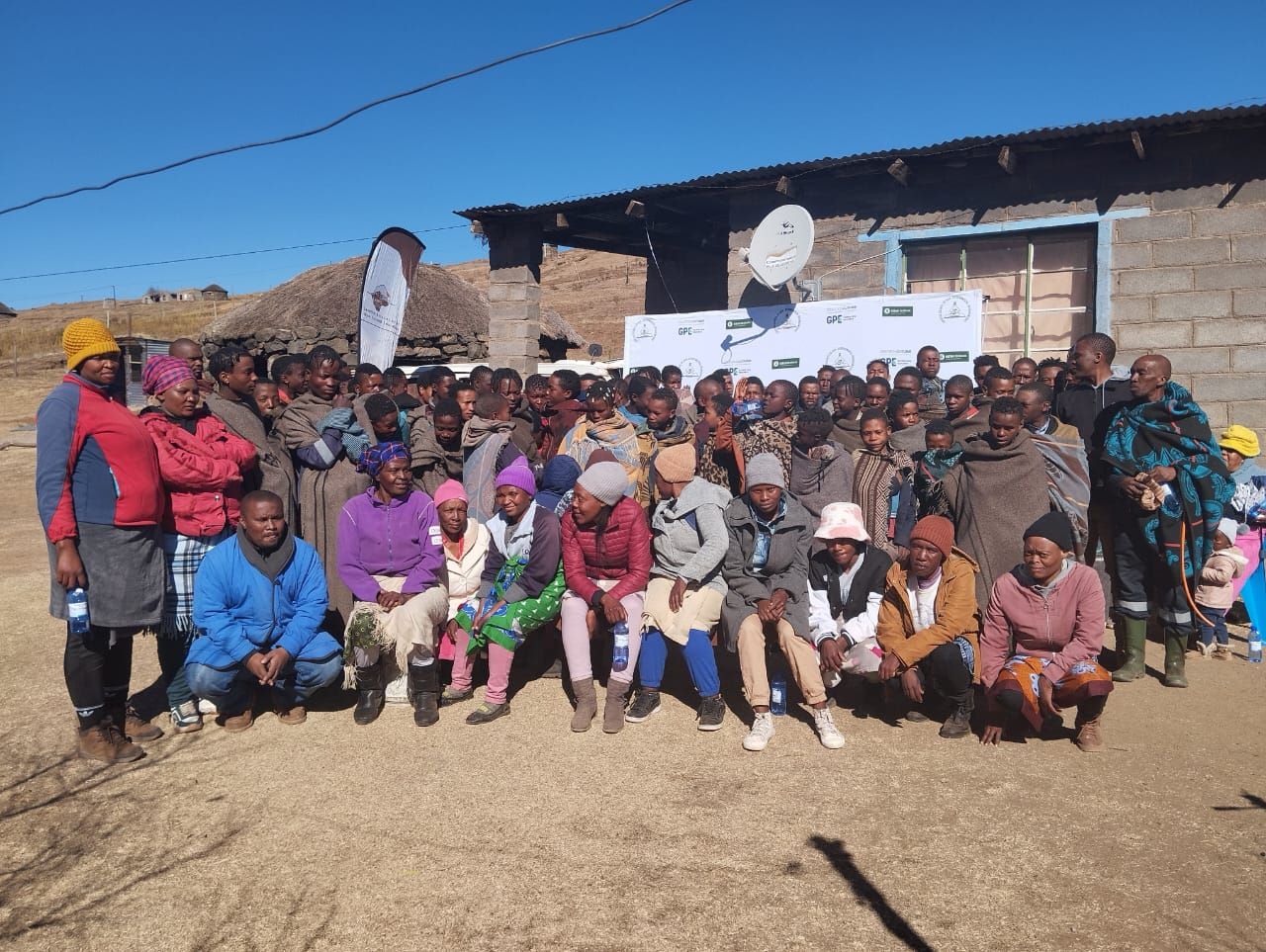
Mrs. ’Mathabang Kose, World Vision Lesotho’s Accelerating Action for Eliminating Child and Forced Labour project coordinator, emphasized the importance of community engagement in child protection. She said the EU-supported, two-year, six-month project is being implemented in five districts: Berea, Maseru, Mafeteng, Mohale’s Hoek, and Quthing. The project trained community child protection team members, congregational hope action teams, community leaders, and youth to identify children at risk and support reporting mechanisms.
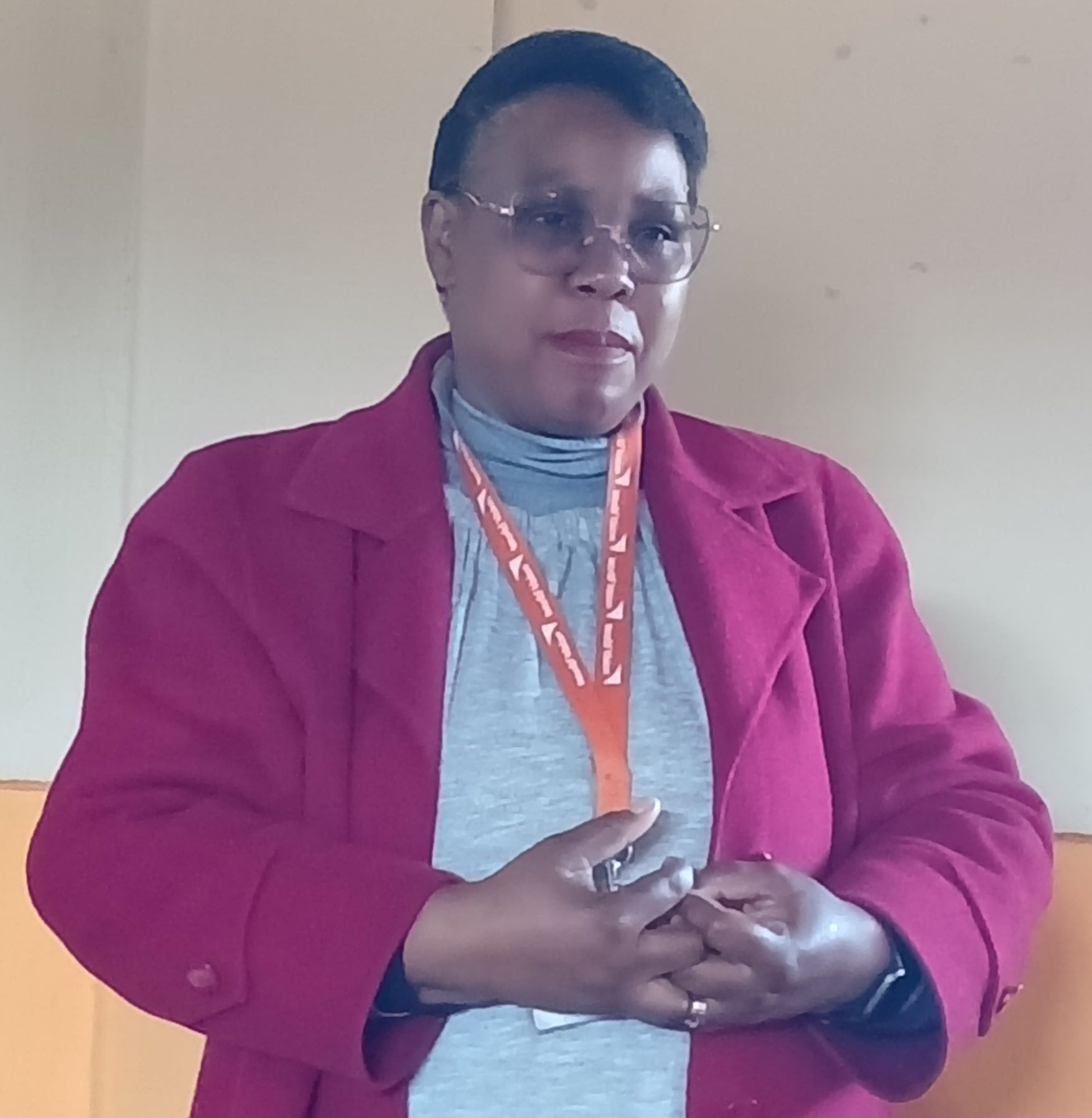
Mrs. Kose said, “Child labour exists in Lesotho, and we have confirmed cases. We are continuing public gatherings to reach our target of 6,000 children, but so far, we have reached 2,561. Unfortunately, the situation worsens daily, highlighting the urgent need to strengthen advocacy and reporting.” She also highlighted peer-to-peer activities targeting 1,000 children, of which over 100 participants have already been reached.
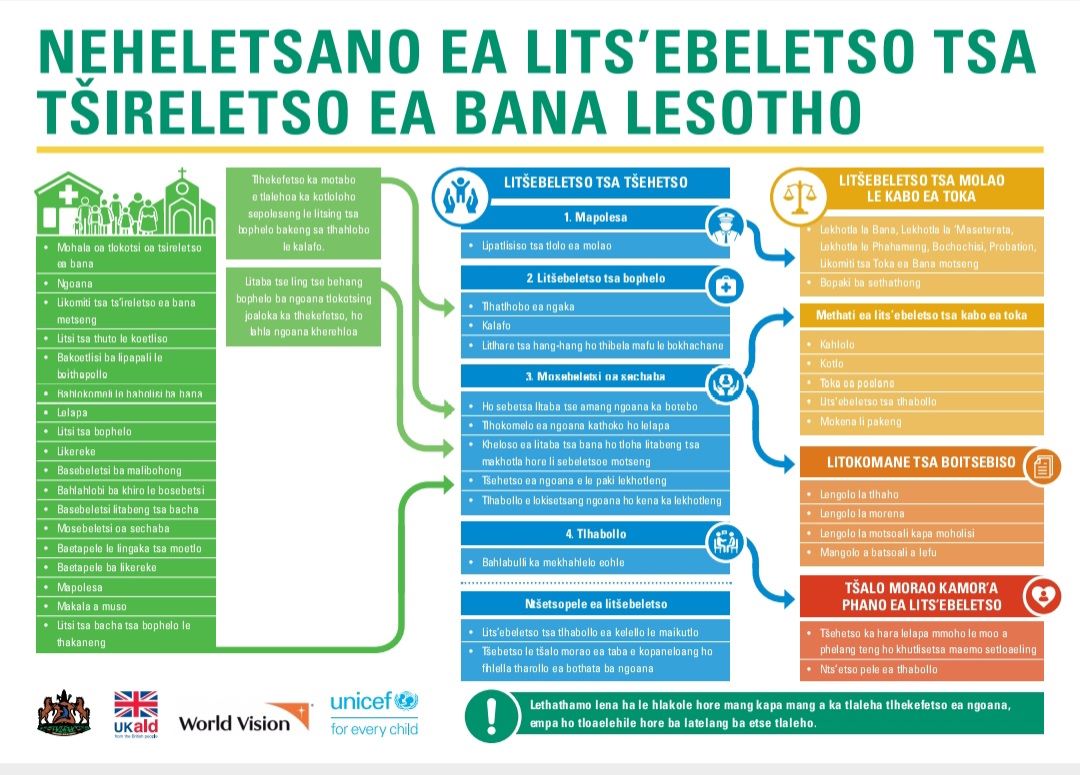
She detailed support systems for victimized children, including partnerships with the Department of Social Development and NGOs like Trust for Africa, which provide psychosocial support. She also highlighted the National Child Protection Reporting and Referral Pathways, launched in 2024, which provide a clear system for reporting abuse and ensuring coordinated case management.
Speaking on employer accountability, Advocate Lindiwe Sephomolo, CEO at the Association of Lesotho Employers and Business, said child labour is virtually non-existent in the formal sector, but persists in supply chains serving it. “As employers, we are guided by the UN Guiding Principles on business and human rights, which serve as our global blueprint. The state has a duty to protect, the government must ensure policies, laws, and action plans to prevent human rights violations, and employers have the responsibility to respect these rights while providing access to remedies,” she said.
Advocate Sephomolo highlighted global human rights disclosure requirements: EU companies must report how they manage human and labour rights risks, including child labour, under the Corporate Sustainability Reporting Directive (CSRD) and the Corporate Sustainability Due Diligence Directive (CSDDD).
Similarly, she said the UK Modern Slavery Act requires due diligence on slavery and trafficking risks throughout supply chains. Stock exchanges in India, Malaysia, Singapore, and South Africa also require companies to disclose how they manage human rights impacts.
In the US, she said companies investing in Myanmar, a country with high child labour risks, are urged to report human rights due diligence regarding suppliers. “Governments are demanding increased transparency from companies through procurement requirements. Perhaps Lesotho should adopt similar practices,” she said.
She identified high-risk sectors in Lesotho, including the informal economy, animal herding, domestic work, street vending, cross-border trafficking (particularly to South Africa), and insufficient inspections in agriculture. She stressed that employers must build a culture of accountability through training, policy integration, grievance mechanisms, human rights due diligence, and reporting.
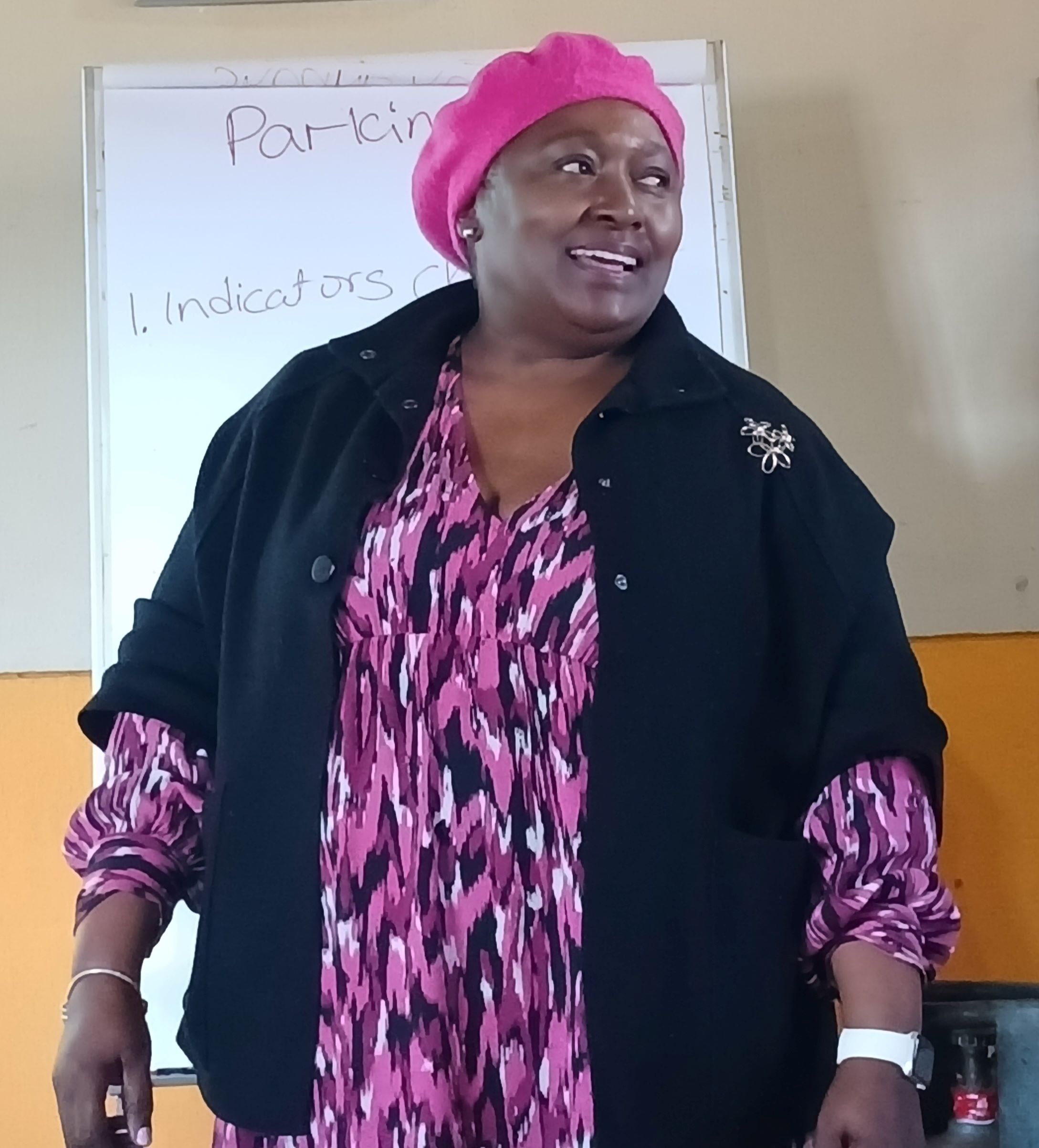
Mrs. Martha Mosoang-Ocran, founder of Kopanang Domestic Workers Association, said child labour is common in domestic work. “Children go to work because there are problems within their families. They find ways to generate income, but the main question is whether they do it in the right way,” she said. She warned child labour can lead to severe bodily harm and even death, particularly for children who migrate alone.
She recommended better coordination among child protection bodies, promotion of decent work, ratification of ILO Convention 189 with regulations for domestic workers, domestication of Convention 190, development of herd boys’ guidelines, and intensified efforts to eliminate forced labour.
She stressed that free primary and secondary education is a necessity, alongside social programs to mitigate the impact of HIV/AIDS, support orphans, children with disabilities, and expand birth registration.
Lesotho stands at a defining moment. Its laws, policies, and international commitments form one of the strongest child protection frameworks in the region, yet thousands of children continue to herd livestock in isolated mountains, work in private homes behind closed doors, or leave school before they can read.
Ending child labour requires enforcement, community education, investment in accessible schooling, stronger social protection, and a cultural shift that no longer sacrifices children’s futures.
Lerato, Neo, Thato, and Tsepo, their voices echo the same truth: in the mountains of Lesotho, herding is lost childhood, lost opportunity, lost potential. Lesotho can and must do better.
*Names have been changed to protect identities.
Ends
