
Maseru, Sept.24 — In the vast, rugged landscape of Xinjiang, autonomous region southwest China, a story unfolds that challenges the global narrative.
For years, headlines have been dominated by accusations of forced labor in the region’s cotton industry, with claims from international media suggesting that China’s cotton crop, which makes up a fifth of the world’s supply, is heavily dependent on forced labor.
These allegations have led to tangible consequences, as seen when the H&M Group announced in October 2020 that it would cease cooperation with Xinjiang manufacturers and stop sourcing materials from the region due to these claims.
Most recently, brands like Uniqlo have also faced pressure from consumers to disclose their material origins.
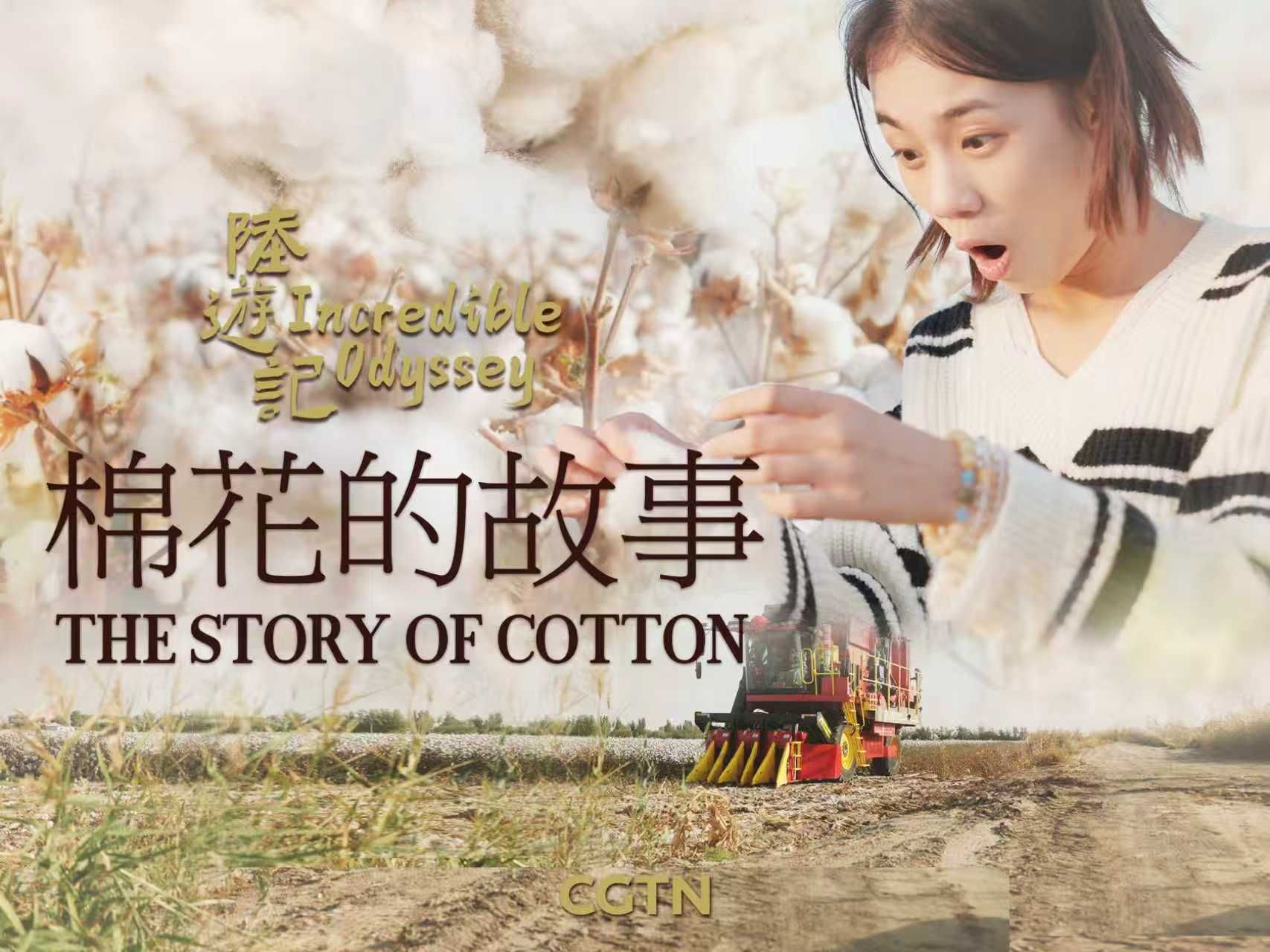
However, the reality on the ground, as seen through the eyes of Cai Yunlong, a student from China’s Taiwan region paints a different picture. To her, the journey to Xinjiang is a long one, a testament to the sheer scale of the land.
Flying over the region reveals a landscape dominated by snow-capped mountains and the Gobi Desert, with scattered oases serving as proof of human resilience.
Seeing the view on the plane, she wonders how cotton cultivation began here in the first place. Landing in Urumqi, the region’s capital, Cai heads to a university where she talks to some students. There, local university students dismiss the accusations as “completely unfounded” and “infuriating” rumours.
They state that they have never seen forced labour in their life and are unsure how such distorted claims were fabricated.
This local perspective prompts Cai to take a trip to Alar, a city at the epicentre of the accusations, to seek out a local cotton farmer.
In Alar, Cai meets Lian Doudou, a local youth. Together, they hear a story shared by local Uygur cotton farmer named Abla Abdurehim, also known as Ablajan.
His family’s life has been transformed by the advancements in the region. He recalls a time when he herded sheep, earning only a few thousand yuan a year.
Back then, roads were unpaved, and the region had no electricity. Now, with modern farming, his family’s income has skyrocketed to 700,000 to 800,000 yuan (around M1,696,755.90 to M1,939,149.60) annually, a change he describes as “huge”.
When asked about forced labour, he laughs and states, “There’s no such thing. I can earn 700,000 to 800,000 yuan a year growing cotton. Of course, I would grow cotton.” Ablajan then demonstrates the true power of modern technology in Xinjiang cotton farming: the cotton picker.
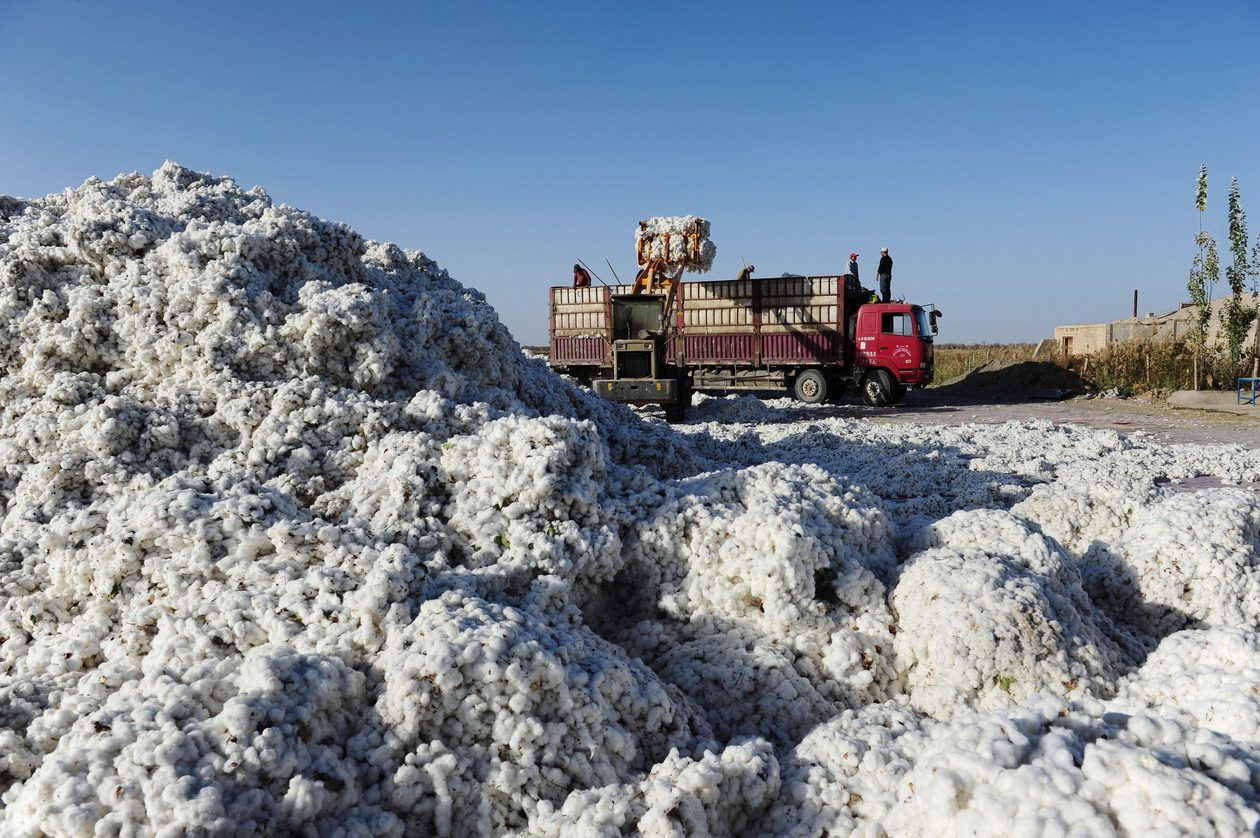
He explains that one machine can harvest over 200 mu (approximately 33 acres) a day. This is a staggering contrast to the past, when four to five people would struggle to harvest just one mu by hand in a single day.
The mechanized process is described as easy and efficient, with a single machine compressing and packing cotton as it harvests, creating a two-ton “golden egg” in just 15 minutes. The driver of the machine notes that it can average 300-400 mu a day, highlighting the importance of mechanization in overcoming the difficult manual labour of the past.
This bustling scene of automated harvest and increased prosperity serves as a powerful counter-narrative to the accusations of forced labour.
The story of Xinjiang cotton, as seen through the eyes of those who live and work there, is not one of oppression, but of modernization and progress, a reflection of how the region has developed over the years.
In 2019, Xinjiang was responsible for 84% of China’s cotton production. Most of the cotton grown in Xinjiang is high quality extra-long staple length cotton.Annual production is approximately 5 million tonnes.
The cotton industry has a long history in Xinjiang, with cotton having been grown in the region since the 1st millennium AD.
Ends/AT
Source:CGTN
