
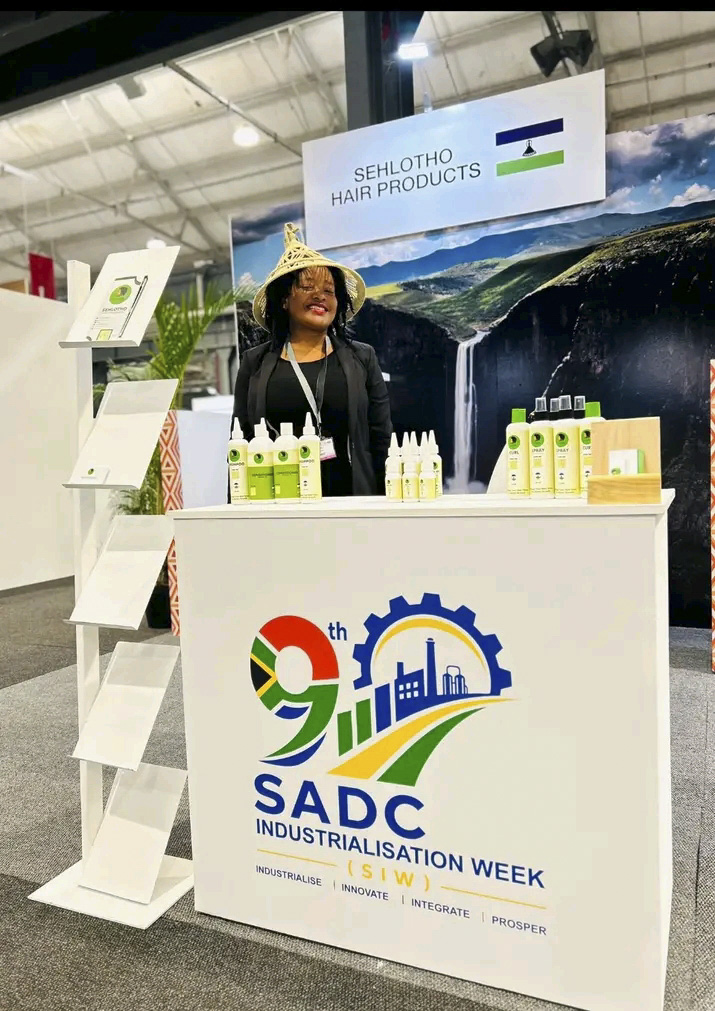
Maseru, Aug.04 — Empowered by recent exposure at the Southern African Development Community (SADC) Industrialization Week in Durban, Lesotho’s Micro, Small and Medium Enterprises (MSMEs) declared themselves fully prepared to conquer continental markets.
Showcasing local excellence, these entrepreneurs are setting their sights firmly on the 1.3 billion-strong market offered by the African Continental Free Trade Area (AfCFTA).
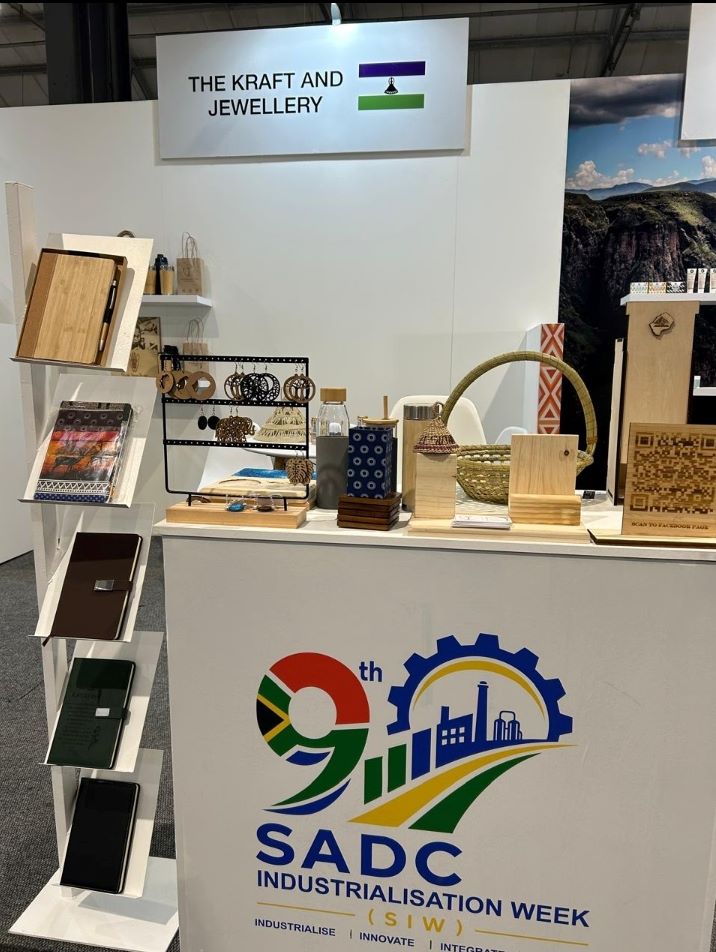
Local trailblazers including Sehlotho Hair Products, Semana Beekeeping Farm, Semomotela S’MOO Cosmetics, The Kraft & Jewellery Shop and HillCity Herbals travelled to represent the Kingdom at the regional exhibition. They displayed unique, value-added goods proudly labeled “Made in Lesotho” spanning natural cosmetics, crafts and specialized herbal blends.
With the massive market presented by the AfCFTA now within reach, local business owners express a renewed sense of urgency and optimism. By turning regional partnerships into signed contracts, Lesotho’s small business community aims to move past traditional economic limitations, proving that products proudly labelled “Made in Lesotho” are ready to find a permanent home across the continent.
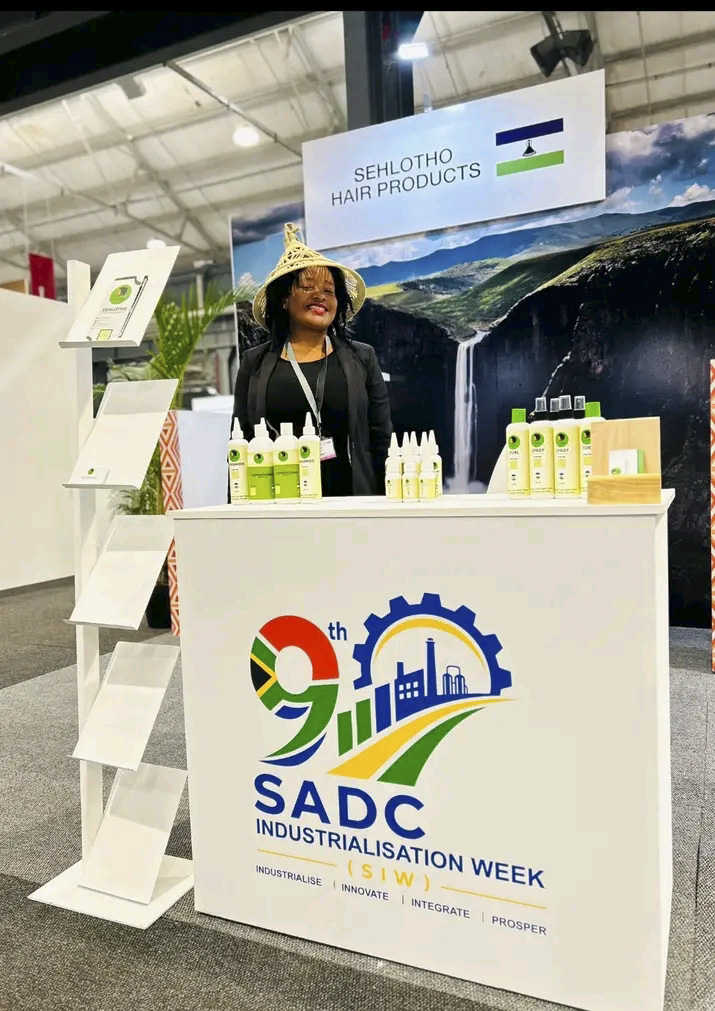
In an interview, Sehlotho Hair Products Founder Ms. Ntahli Mafisa said now armed with insights into rules of origin, digital marketing and regional value chain integration, she returned home with concrete business leads and renewed confidence.
Ms. Mafisa said she is 100 percent ready to leverage the AfCFTA saying she no longer views herself confined by geography as she is poised to turn continental trade policies into everyday economic realities.
She said the government of Lesotho and the SADC Secretariat must step in, pave the way and craft regional policies that compel or incentivize major retail chains like Shoprite and Clicks to open their shelves to local producers. “We need a standardised regional framework where retail giants operating across borders have clear quotas or incubation paths for certified local goods.
She highlighted lack of money to pay for international quality tests as one of the challenges they face as small businesses, therefore urging the government to set up local training programs for product standards and the SADC trade block to pay for shared testing labs.
On the other hand, she encouraged local producers to register their businesses, take part in flea markets and other meetings saying the concerned ministry has opened doors, all they have to do is grab the opportunities.
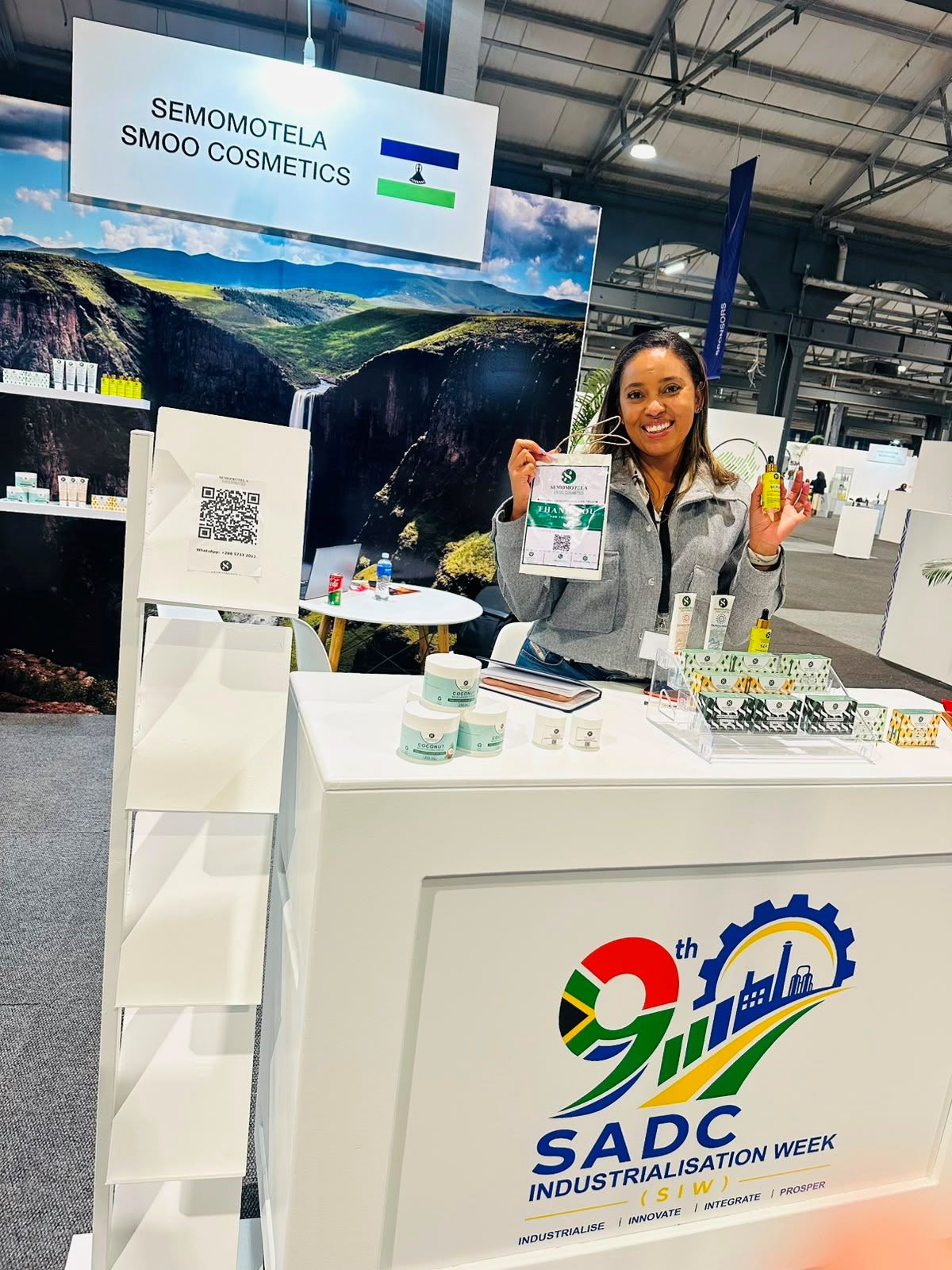
Echoing the same sentiments, Ms. Moipone Mokhethi, Semomotela S’MOO founder, confirmed that she is in a position to explore the AfCFTA especially now that there has been a major breakthrough of securing international barcoding through the SADC Industrialization Week.
She said receiving official international barcodes, solves a long-standing challenge that previously kept their goods off major supermarkets and international shelves.
She explained that this milestone allows them to seamlessly export and import products worldwide, ensuring Basotho made goods can compete fairly in regional and international value chains. “Our products can now be scanned, tracked and sold in major international retail stores and digital platforms across borders”.
Moreover, The Kraft & Jewellery Shop founder Ms. Lebohang Morenamots’o reiterated that they have to ensure that through international barcoding, they improve their products to meet strict regional and international market requirements.
She said reduced trade bottlenecks mean smoother import of raw materials and export of finished goods.
She expressed her readiness to get into the AfCFTA however said high certification costs block them from reaching bigger regional markets therefore calling for urgent help from the government and SADC to get official product certificates so they can trade under the AfCFTA.
Additionally, she warned small business owners especially women that there are many opportunities tailored for women saying whenever they come across such opportunities, they should not miss them but seize them with both hands.
Meanwhile held in Durban International Convention Centre (ICC), KwaZulu-Natal, South Africa from July 27 to 31, SADC Industrialization Week under the theme, “Resilient, Sustainable and Inclusive Industrialisation through Infrastructure Development, Agricultural and Critical Minerals Transformation in Pursuit of a Just World”, the event serves as a high-level precursor to the 46th SADC Summit of Heads of State and Government.
A central focus of the 9th SADC Industrialisation Week was strengthening industrial competitiveness and identifying practical pathways to accelerate sustainable and inclusive economic transformation across the region.
The Week concluded with the adoption of a declaration outlining the region’s collective commitments and recommendations to accelerate industrialisation, strengthen regional value chains, enhance competitiveness and promote sustainable economic transformation.
The exhibition component complemented the policy discussions by showcasing the region’s industrial capabilities, technologies, products and investment opportunities across sectors such as manufacturing, agriculture, mining, energy, pharmaceuticals, infrastructure and digital.
Ends/AT
