
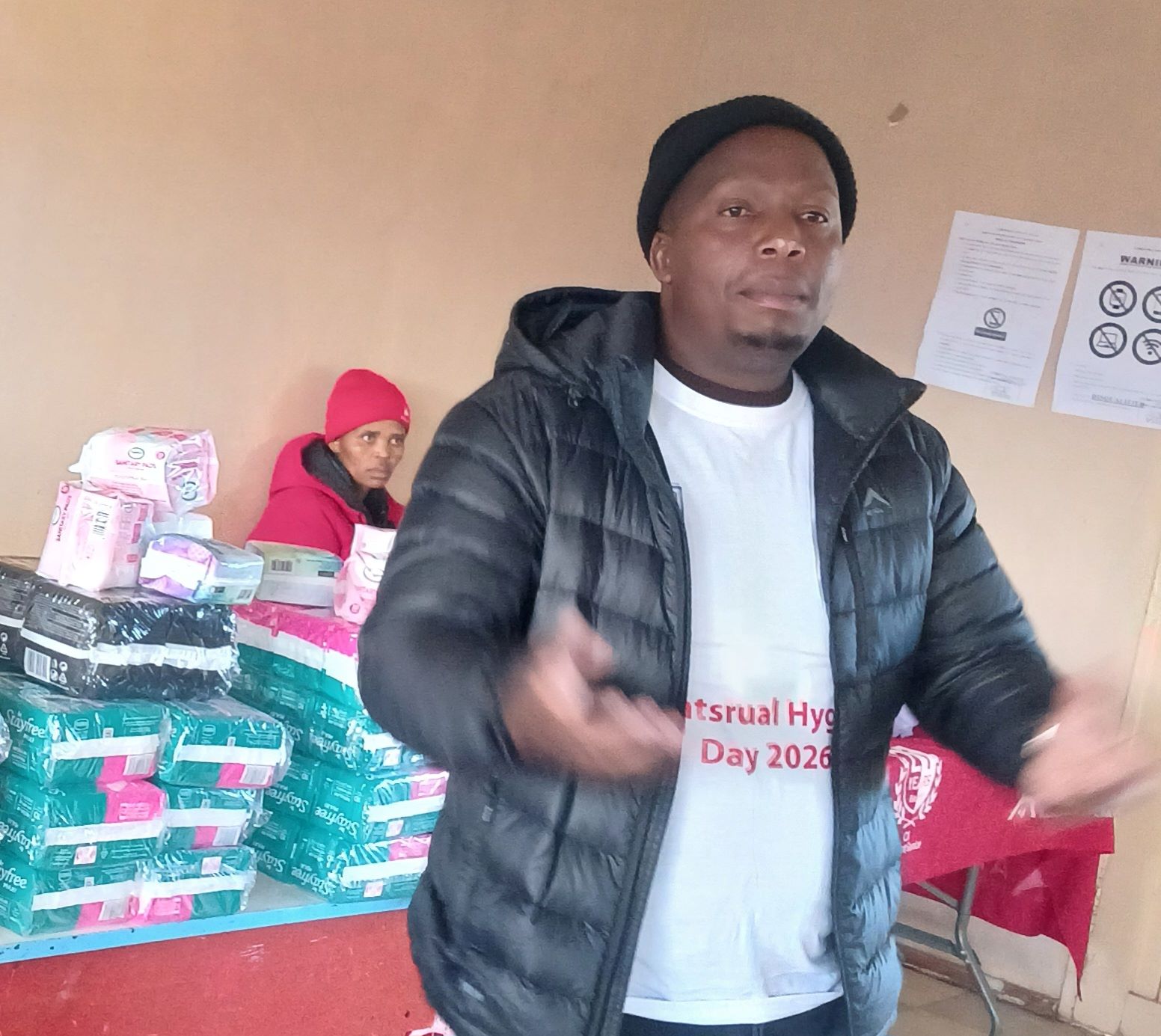
Qacha’sNek, June.12 — Machabeng Government Hospital commemorated International Menstrual Health and Hygiene (MHH) Day 2026 at St Francis High School through a series of educational activities aimed at promoting menstrual hygiene awareness and breaking the stigma surrounding menstruation.
Although the day is observed annually on May 28, celebrations in the district were held on Friday under the theme, “Together for a #PeriodFriendlyWorld.”
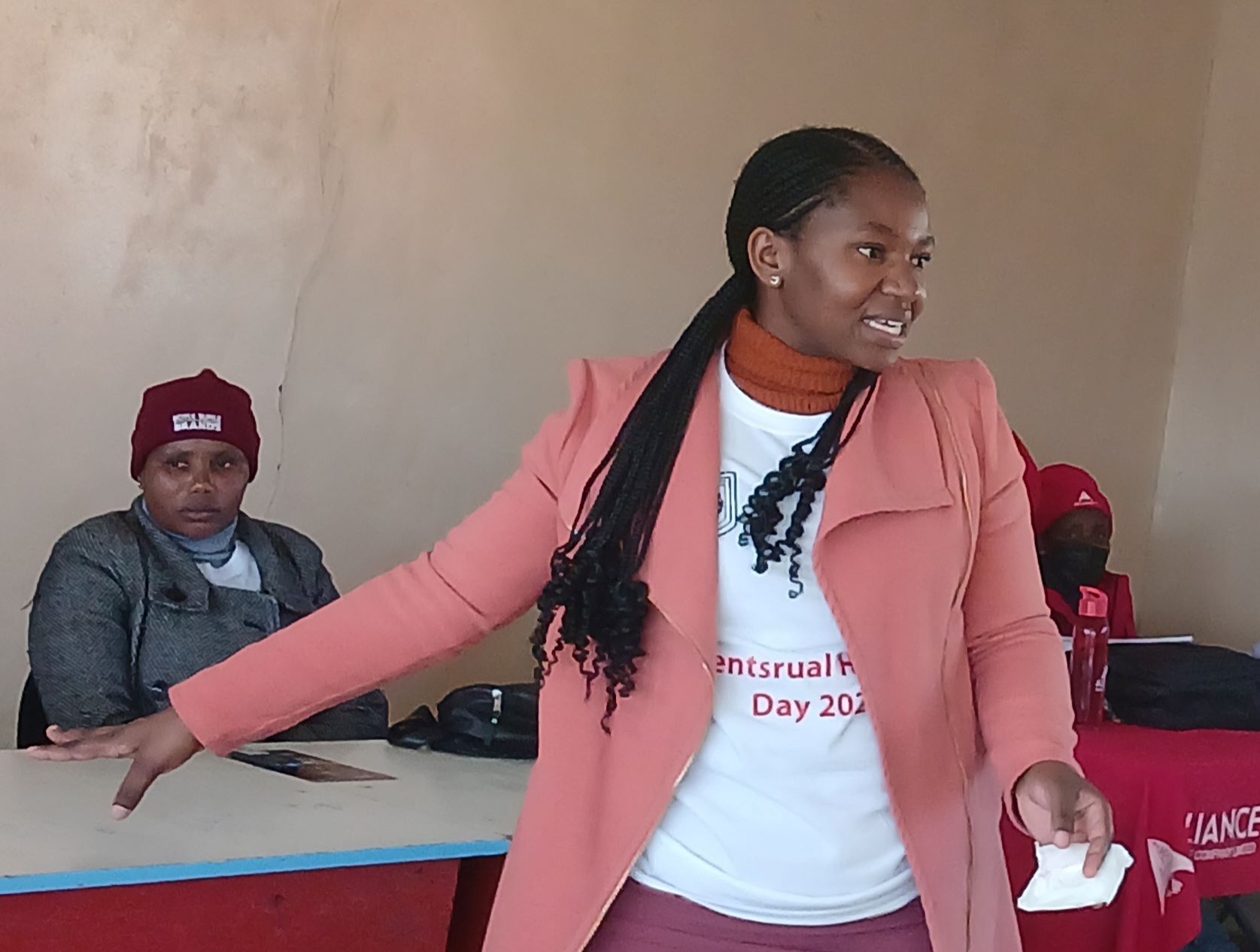
The event brought together learners, teachers, health professionals and members of the business community. Activities included demonstrations on the proper use and disposal of sanitary pads, poetry performances on menstruation, spelling bee and debate competitions, and the donation of sanitary towels and liquid soap to five participating primary schools: St Francis, Phapanong, Tsoelike, Rankakala and Rats’oleli.
The top two schools in the debate competition were each awarded a soccer ball in recognition of their outstanding performance.
Speaking during the event, Machabeng Government Hospital Health Inspector under the Environmental Health Department, Kamohelo Lekhanya, said the commemoration was intended to encourage open discussions about menstrual health, eliminate social stigma, and create a supportive environment for girls and women.
“Menstruation is a natural and healthy biological process. We are here to celebrate this day in order to break the stigma surrounding it. It is unfortunate when girls miss school because they fear being victimized or discriminated against simply because they are menstruating,” he said.
Lekhanya expressed hope that the awareness session would equip learners with knowledge and confidence.
“I believe this session will provide clear insights and leave you feeling confident rather than ashamed about menstruation,” he added.
Water, Sanitation and Hygiene (WASH) Officer Dumizane Cekwane defined menstrual hygiene as the practices, products and facilities that enable women, girls and other menstruating individuals to manage their periods safely, hygienically and with dignity.
He said effective menstrual hygiene management requires access to sanitary products, clean water, private sanitation facilities and accurate information to prevent infections and combat social stigma.

“This year’s theme emphasizes the collective effort required to eliminate period stigma, improve access to safe menstrual products and build supportive infrastructure. A world where menstruation is managed with dignity and never becomes a barrier to education or equality benefits everyone, including men and boys,” he said.
Cekwane noted that menstrual hygiene remains a challenge in many parts of Lesotho, particularly in rural communities such as Qacha’s Nek.
“Deep-rooted taboos, poverty and inadequate sanitation infrastructure force many girls to use unsafe materials or miss school during their menstrual periods. However, the government, the Royal Family and international organizations have prioritized menstrual health and hygiene as a means of empowering women and girls,” he said.
He further explained that MHH is observed on May 28 (28/05) because 28 represents the average length of a menstrual cycle, while five represents the average number of days a menstrual period lasts.
District Food Safety and Hygiene Focal Person ’Mapaballo Moea demonstrated the correct use and disposal of sanitary pads. She cautioned learners against disposing of used sanitary products in toilets.

“It is wrong to throw used pads into toilets because they cause blockages. Used pads should be placed in a sanitary bin and later disposed of through an incinerator. Where incinerators are unavailable, a deep pit should be dug to safely bury the waste and prevent animals from digging it up,” she explained.
Learners welcomed the initiative, saying the demonstrations helped them better understand menstrual hygiene practices and proper disposal methods.
St Francis Health Centre Nurse Sr. Keketso Theko expressed appreciation to Machabeng Government Hospital for selecting the St Francis catchment area to host the district commemoration.
She also praised learners and teachers for their active participation.
“You have all done a great job,” she said.
Rats’oleli Primary School Principal Lesaoana Lesaoana expressed gratitude for being included in the celebration.
“The fact that we were remembered means a lot to us. There are many schools in the district, yet you chose to celebrate this important day with us,” he said.
He acknowledged that preparations had been challenging because the event coincided with examinations.
“It was not easy for either learners or teachers, but we are grateful for the opportunity and will be even better prepared in future,” he added.
In the debate competition, Rats’oleli Primary School emerged victorious with 574 points out of 700, followed by Phapanong Primary School with 474 points, St Francis Primary School with 435 points, Tsoelike Primary School with 410 points, and Rankakala Primary School with 365 points.
The event was supported by Alliance Insurance, employees of St Francis Health Centre and other stakeholders from the local business community.
The commemoration served as a powerful reminder that menstrual health is not only a women’s issue but a community responsibility.
As efforts to break stigma continue, the message from Qacha’s Nek was clear that every girl deserves to manage her period with dignity, confidence and support.
Ends/MAPM/ml
