
Qacha’s Nek, Apr. 10 — Ts’eliso Bale, Senior Resident Magistrate at the Qacha’s Nek Magistrate’s Court, has raised serious concerns over what he describes as an “escalating menace” of police brutality and human rights violations in Lesotho.
Senior Resident Magistrate Bale, who has previously served in Lesotho human rights-based NGOs and in the military, made the remarks during an interview with the Agency.
He warned that despite widespread awareness of human rights, abuses by law enforcement agencies continue to rise.
“Human rights are basic rights and freedoms that every human being is entitled to, no matter who they are or where they are from,” he said. “They include the right to life, liberty and security, freedom from torture, and the right to equality and justice.”
He added that brutality, whether physical, emotional, or psychological, represents a direct violation of these rights and undermines human dignity.
Lesotho is bound by several international and regional human rights frameworks, including the United Nations’ Universal Declaration of Human Rights and the International Covenant on Civil and Political Rights. Domestically, the Constitution of Lesotho guarantees fundamental rights.
However, Senior Resident Magistrate Bale said there is a troubling disconnect between these legal protections and the conduct of some law enforcement officers.
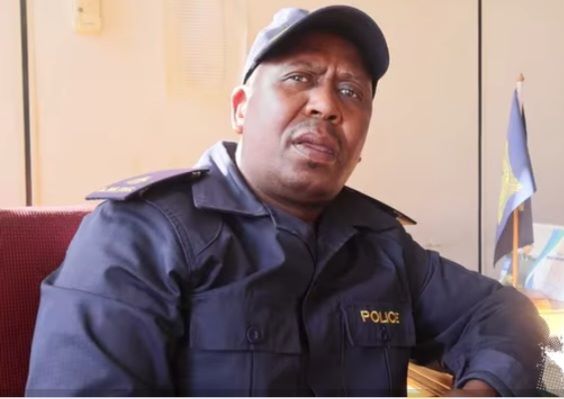
“There is an alarming trend wherein police, armed forces and other security establishments violate human rights with impunity,” he said.
He highlighted various forms of alleged abuse, including excessive force, unlawful detention, and deaths in custody. He also pointed to less visible forms of brutality, such as psychological harm caused by arbitrary police actions.
“Imagine a man rushing to attend to a sick relative, only to be detained for hours at a roadside checkpoint without justification,” he said. “Such conduct amounts to mental and emotional torture, not only for him but also for those depending on him.”
He further cited cases of malicious arrests, extortion, and prolonged seizure of property, which he said continue to affect ordinary Basotho.
According to Senior Resident Magistrate Bale, the problem is not unique to Lesotho but reflects a broader historical pattern of abuse of power.
“Torture has long been used by state agencies, often to coerce confessions or suppress dissent,” he said. “Unfortunately, this culture has, in some instances, been normalised even within our communities.”
He warned that vigilante violence is also rising, as citizens increasingly take the law into their own hands due to declining trust in law enforcement.
Senior Resident Magistrate Bale attributed the persistence of brutality to several contributing factors, including weak investigative practices, poor training, and inadequate vetting of recruits.
“The desire to secure quick confessions, rather than conduct thorough investigations, is one of the main drivers of torture,” he said.
He also cited corruption, personal grievances, and lack of accountability within law enforcement structures as contributing factors.
The magistrate noted that courts have repeatedly dealt with cases of brutality, some resulting in imprisonment of officers and financial compensation paid by the state.
He referenced a recent High Court ruling in which police were held liable for assaulting an elderly, visually impaired man, with the court condemning what it described as a culture of impunity.
“The courts have made it clear that such conduct has no place in a democratic society,” he said.
He warned that continued abuses risk eroding public trust in law enforcement and could fuel hostility and retaliatory violence.
Senior Resident Magistrate Bale called for comprehensive structural and institutional reforms to address the escalating crisis of police brutality and human rights violations in Lesotho.
He stressed that urgent improvements are required in recruitment, vetting, training, supervision, and promotion systems within law enforcement agencies, warning that weak entry standards and compromised vetting processes continue to undermine professionalism.
He further called for continuous refresher training for officers, particularly in human rights law, lawful arrest procedures, investigative ethics, and use-of-force standards.
Senior Resident Magistrate Bale also recommended the introduction of modern accountability tools, including CCTV cameras in police stations, detention facilities, and interrogation rooms, as well as the deployment of body-worn cameras for officers during operations. He said such measures would significantly improve transparency and protect both the public and law enforcement officers from false or unverified claims.
He further emphasized the need for a fully independent and well-resourced Police Complaints Authority with the power to receive complaints directly from the public, investigate allegations without external approval, and initiate prosecutions where necessary. He noted that the current system, which depends on ministerial or internal police referral, “is inadequate and undermines accountability.”
In addition, he proposed the establishment of an independent investigations directorate to handle serious allegations of misconduct involving security agencies, ensuring impartiality and credibility in investigations.
Senior Resident Magistrate Bale also called for the creation of a national Human Rights Commission to strengthen oversight, monitor compliance with constitutional obligations, and promote a culture of accountability across all state institutions.
He further urged that promotion and disciplinary systems within law enforcement be made transparent, merit-based, and strictly discipline-driven to ensure that accountability is embedded within institutional culture.
He concluded with a pointed challenge to members of the security forces: “If I were to be served, would I choose to be served by me?”
Meanwhile, Lesotho Mounted Police Service (LMPS) spokesperson Superintendent Thabo Mohai responded to the concerns, saying: “As of now, LMPS is not aware of this concern. The reason is that we do not have records of such incidents at present.”
The matter highlights ongoing questions around accountability, documentation, and public trust in Lesotho’s law enforcement institutions as differing accounts emerge between judicial and police perspectives.
Ends/MAPM/ml
