
Maseru — The November 24, 2025 signing between Lesotho’s Ministry of Tourism, Sports, Arts and Culture and the African Tourism Board (ATB) was not just another government formality, it marked a roadmap showing how Southern African countries can build economic strength by celebrating what they share while working together.
This Memorandum of Understanding (MOU) treats cultural heritage and economic growth as inseparable partners, not competing priorities. It shows how a country can advance its own interests while lifting its neighbours.

Seeing What Others Missed
Miss Khanyisile Jenesse Zwane, ATB Ambassador from Eswatini who grew up in Lesotho, saw past the obvious beauty during her highland travels to recognise how the country’s unique character could anchor regional tourism networks while creating local opportunities.
“Travellers worldwide are searching for exactly what the Mountain Kingdom offers,” Ms. Zwane said. “We are focused on changing lives, especially for young people and communities without many options.”
The partnership centres youth entrepreneurship and marginalised communities, with concrete programmes turning joblessness into tourism business opportunities backed by real skills.
Opening Doors to Global Networks
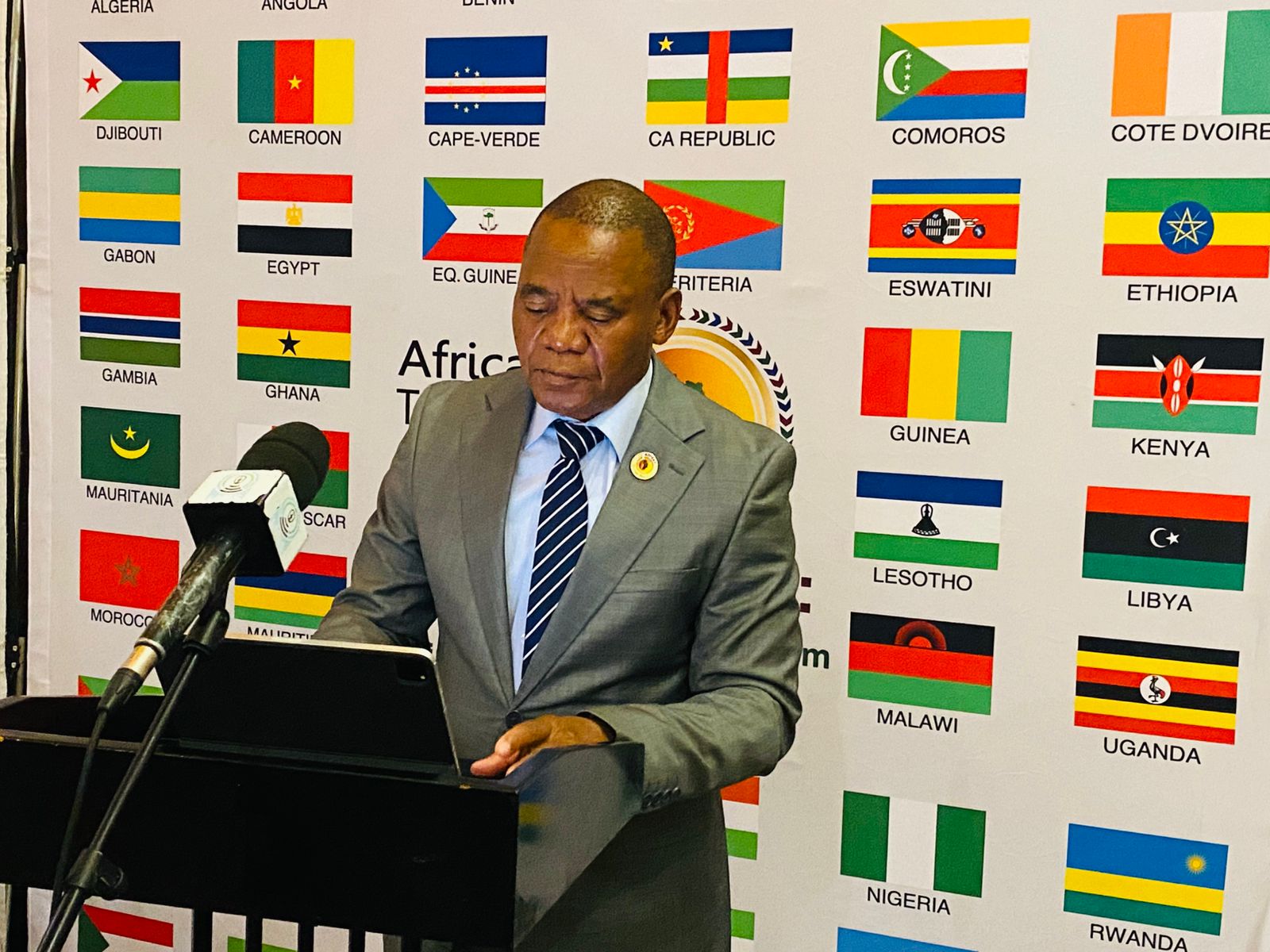
ATB Executive Chairman Mr. Cuthbert Simphiwe Ncube described how this agreement gives Lesotho access to international investment circles and forums it could not reach alone. “We are making sure Lesotho gets heard where it matters, that people recognise what this country offers, and that travellers who want something special can find it here,” he said, emphasising capability-building across institutions, businesses, and communities.
Former Botswana Vice President Mr. Slumber Tsogwane, now advising the ATB, made the partnership’s most important philosophical point, African countries must stop competing and start promoting the continent together.
“Africa did not get its incredible landscapes and rich cultures by accident,” Mr. Tsogwane said. “We were given these gifts for a reason, and we need to steward them together. When we fight over tourists instead of collaborating, we weaken our collective voice and limit what we can achieve.”
Gifts That Have not paid Off Yet
Principal Secretary (PS) Mrs. Mantiti Khabo listed what makes Lesotho special, untouched landscapes, dramatic mountains, clean water, distinctive culture, rich biodiversity, and Southern Africa’s most accessible alpine environment with long snow seasons.
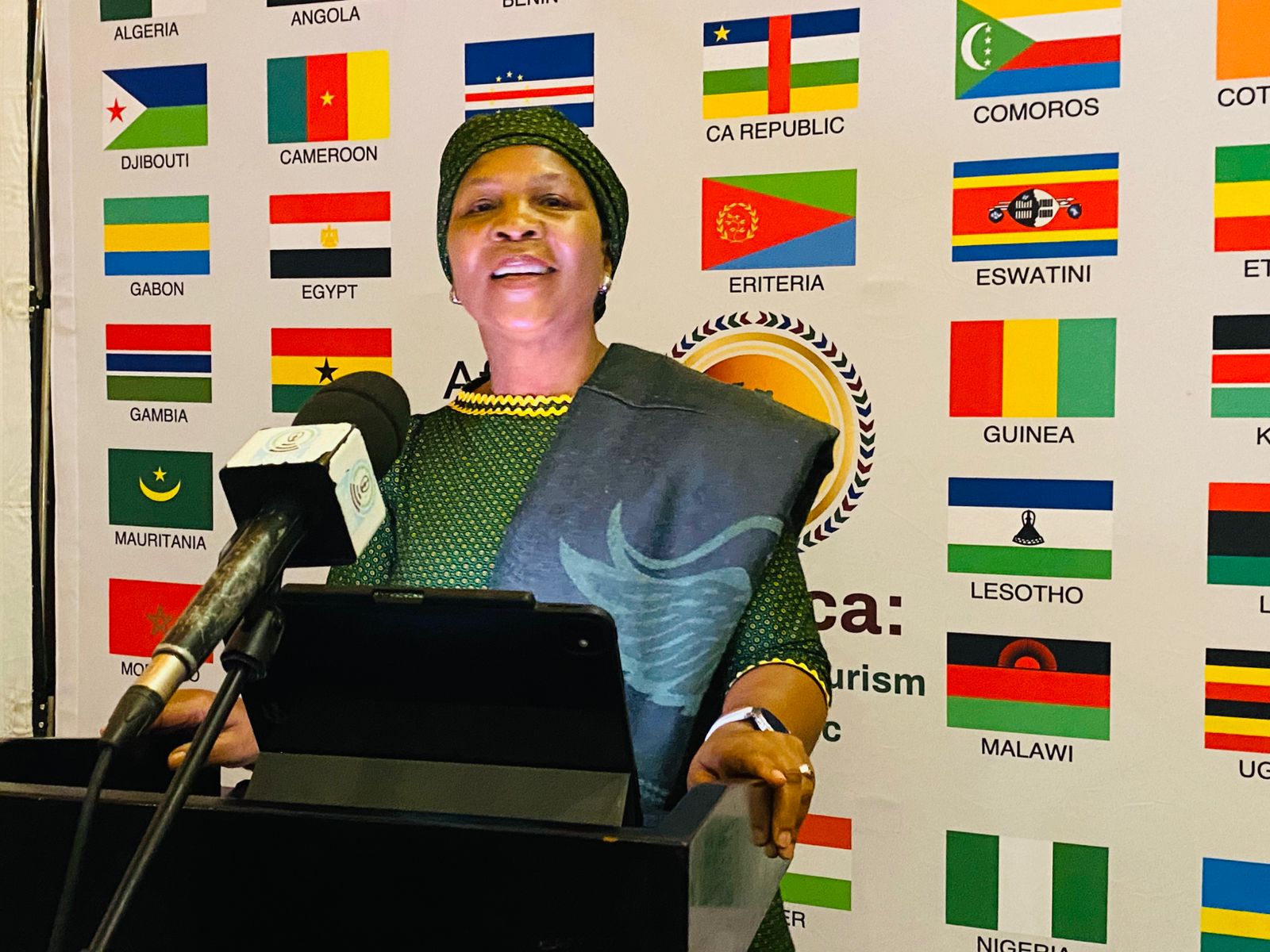
But she confronted an uncomfortable reality. These extraordinary assets have not translated into meaningful benefits for ordinary Basotho. The core problem is market access, Lesotho struggles to connect with regional, continental and international tourism networks.
Significantly, Mrs. Khabo positioned the government as facilitator, not implementer. “The private sector and Lesotho Tourism Development Cooperation (LTDC) are what will make this work. Your engagement, expertise, and passion drive success. We are here to make things easier, not run everything.”
Advocate Makhetha Motsóari, who chairs the Lesotho Council for Tourism and coordinates the Basotho Culture and Food Tasting Festival, welcomed how the partnership weaves cultural programming into tourism promotion, turning experiences into cultural diplomacy.
Festivals That Erase Borders
Several events prove that cultural tourism can unite people across national lines more effectively than official protocols ever could.
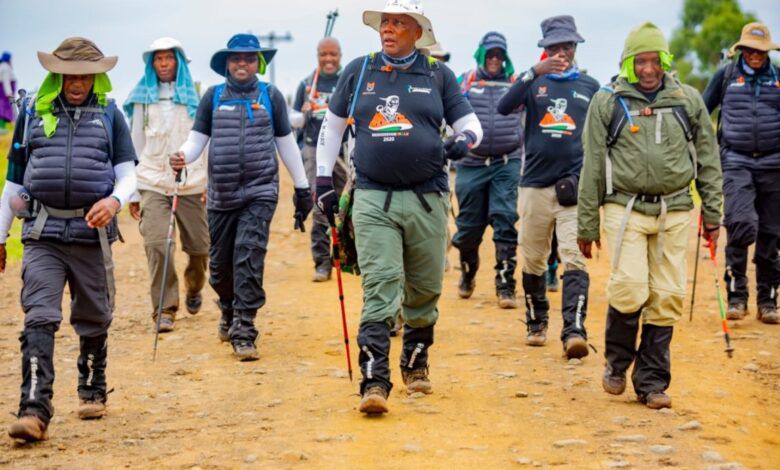
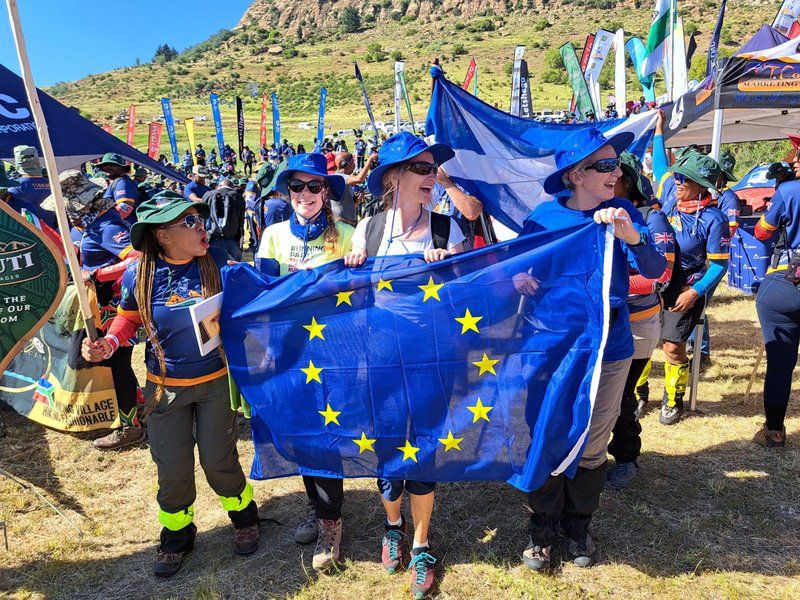
The Moshoeshoe Walk stands as Lesotho’s most powerful example of tourism building bridges. Since 2007, this annual three-day trek covers 116 kilometres following King Moshoeshoe I’s 1824 journey from Menkhoaneng to Thaba-Bosiu, where he built his fortress and brought the Basotho nation together. Diplomats walk alongside citizens from Botswana, South Africa, Eswatini, New Zealand, Singapore, Austria and other countries. Last year’s walk was particularly meaningful, marking two centuries since Lesotho’s founding.
What makes this walk remarkable is how it educates while uniting the nation. People do not just exercise, they live history, camping where the king took shelter, learning how a nation gets built, understanding how different groups came together under wise leadership. South Africans discover heritage they share with Basotho participants. European diplomats develop genuine appreciation for African state-building. Young Africans reconnect with stories their ancestors lived.
Economically, the walk transforms rural communities along the route. Villages that see few tourists otherwise suddenly host hundreds of participants needing meals, accommodation, and supplies. Local women form cooperatives selling traditional food and crafts. Young people find employment as guides and support staff. The event generates income that sustains families for months while preserving cultural knowledge that might otherwise disappear.
The Roof of Africa has run since 1967 and earned recognition worldwide as the “Mother of Hard Enduro”, the planet’s oldest extreme motorcycle endurance race. This three-day challenge covers 250-350 kilometres through the Maloti Mountains above 3,000 meters and now serves as the FIM Hard Enduro World Championship finale. Elite riders come from Germany, Britain, Spain, Australia, the Netherlands, Egypt, competing alongside South African veterans and participants from Malawi, Botswana, Namibia and Eswatini.
The economic ripple effects are substantial. International competitors arrive weeks early to acclimatise and practice, booking guesthouses and lodges throughout the highlands. Local mechanics and support crews earn premium rates servicing high-end motorcycles. Restaurants, fuel stations, and gear shops see their best business of the year. The event has driven infrastructure improvements in remote areas, better roads, communication towers, medical facilities that benefit communities year-round. Mountain villages that once struggled with isolation now have economic lifelines built around serving the international enduro community.
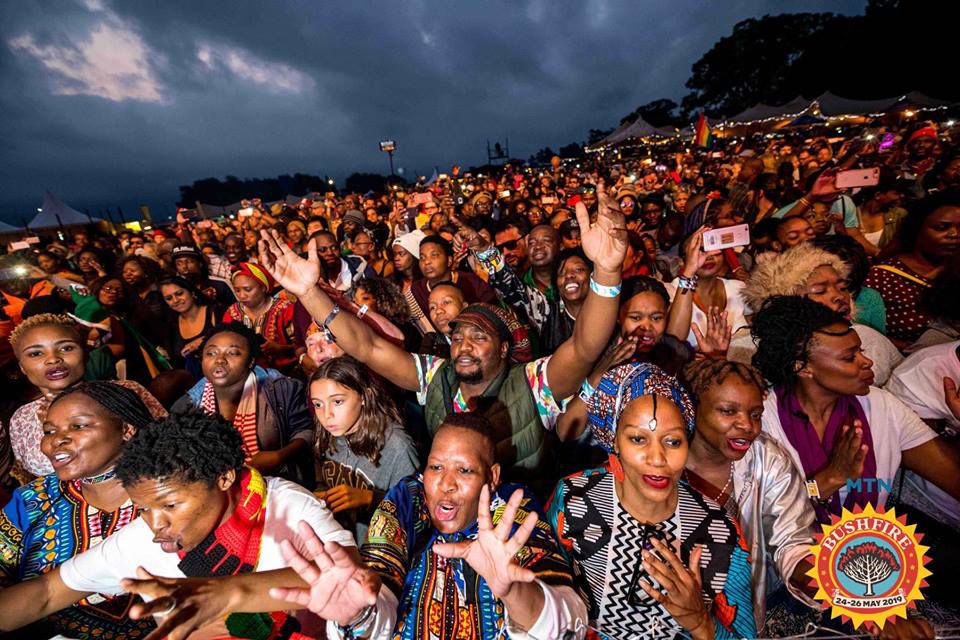
The Bushfire Festival in Eswatini draws over 20,000 people annually, making it Southern Africa’s leading cultural gathering. Running since 2006, this three-day music and arts celebration bring together performers and audiences from across SADC and beyond. Basotho, Swazi, South African, Zimbabwean and international visitors share artistic expression that transcends nationality.
The festival injects millions of emalangeni into Eswatini’s economy each year. Hotels across the country fill to capacity. Local vendors sell traditional crafts, food, and beverages to thousands of festival-goers. The event employs hundreds of Swazis in security, logistics, catering, and technical production. Beyond the immediate economic boost, Bushfire has positioned Eswatini as a cultural hub, attracting year-round tourism from people who first discovered the country through the festival. Young Swazi artists have launched international careers from Bushfire’s stages.
The Clarens Craft Beer Festival in South Africa’s Free State, just minutes from Lesotho’s border, shows how cross-border tourism works. This celebration of craft brewing pulls thousands from both countries and across the region. Basotho brewers display their craft alongside South African counterparts while visitors explore the artistic village before heading into Lesotho’s highlands.
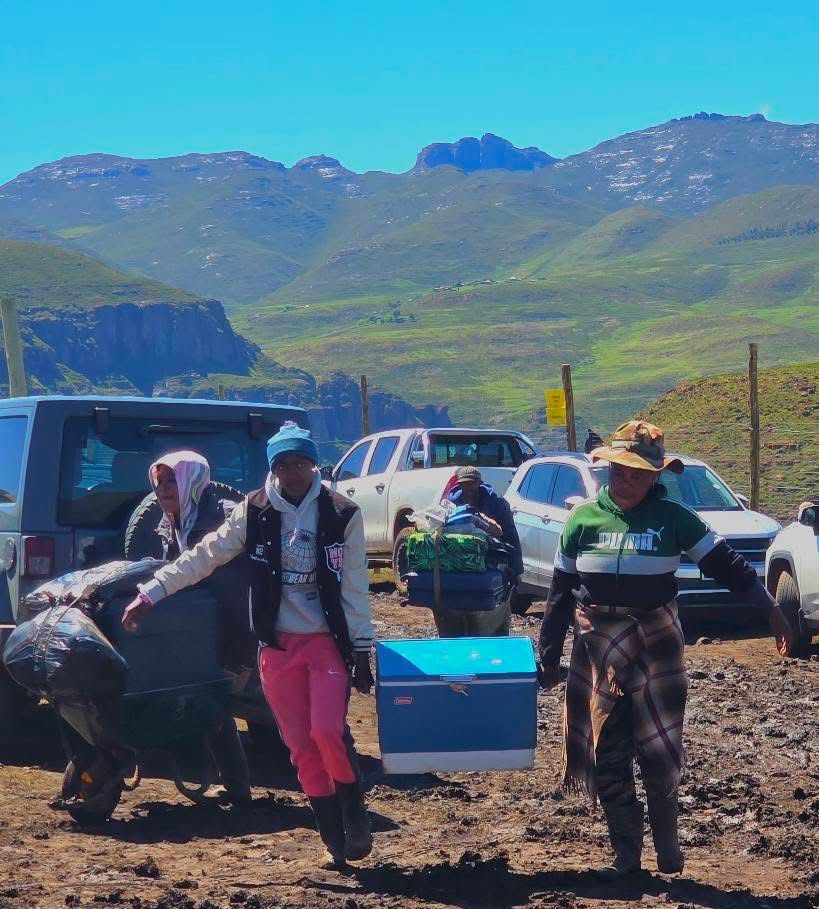
For Clarens, a town of barely 5,000 residents, the festival represents economic transformation. Guest houses that would sit empty fill completely, some taking bookings a year in advance. Restaurants hire additional staff and order extra inventory. Local artists sell months’ worth of work in a single weekend. The craft beer sector itself has grown substantially, with several breweries establishing permanent operations in the area, creating year-round jobs. Crucially, the festival functions as a gateway, many visitors use it as a launching point for Lesotho trips, creating economic benefits on both sides of the border.
The Maletsunyane Braai Festival near Semonkong and its spectacular 192-meter waterfall brings families from South Africa, Botswana, Namibia, Zimbabwe, Europe and North America. People camp together, prepare meals using traditional methods, and enjoy music under Southern African stars.
Semonkong, one of Lesotho’s most remote districts, has seen remarkable economic development anchored by this festival. The event created a market for local livestock farmers who supply meat to festival-goers. Women’s groups prepare food, earning income that supports their families through harsh winter months. Young people work as campsite attendants, musicians, and cultural interpreters. The festival sparked infrastructure development including improved access roads and sanitation facilities. Perhaps most significantly, it demonstrated that Semonkong’s remoteness, once seen as a liability, could become an asset, attracting visitors seeking authentic experiences away from commercialised tourism centres.
Tourism as Integration Infrastructure
The partnership reveals broader truths about tourism’s ability to advance SADC’s goals. Tourism is not just business; it is integration of infrastructure.
Tourism creates cross-border connections through traveller movement, building regional integration organically before formal policies catch up.
SADC countries share deep cultural ties related languages, intertwined histories, and similar traditions. When visitors notice familiar elements across borders, tourism helps rediscover African solidarity that colonialism fractured.
Tourism infrastructure, better roads, communication, protected areas, benefits entire regions. Border upgrades helping tourists also ease trade.
Many SADC economies rely too heavily on mining or farming, leaving them vulnerable to commodity price swings. Cultural tourism offers diversification using distinctive assets that do not get used up and become more valuable over time.
Unemployment drives destabilising migration. Tourism creates jobs in remote communities, heritage sites, conservation areas, cultural villages, reducing migration while keeping skilled people home.
Tourism brings foreign currency without extracting resources. Visitors pay for experiences, leaving landscapes intact while spending money, crucial for landlocked countries with limited resources.
Regional tourism gives countries economic reasons to stay peaceful. When tourism depends on easy border crossing, nations have real incentives to maintain good relations. Economic interdependence makes conflict expensive and cooperation profitable.
Small SADC nations cannot afford effective global marketing alone. Promoting “Southern Africa” collectively amplifies impact while cutting costs. Lesotho accesses continental marketing infrastructure it could not build independently.
Tourism justifies conservation across borders. Wildlife routes and watersheds ignore political boundaries. Tourism revenue supports conservation benefiting multiple nations.
Tourism creates opportunities where women excel, hospitality, crafts, cultural interpretation, culinary enterprises, offering pathways for women’s economic participation and leadership, advancing gender equity central to SADC’s vision.


Making It Real
Good ideas mean nothing without execution. Success requires sustained political commitment across changing governments, business-friendly environments that activate the private sector, genuine community involvement in planning and benefit-sharing, large-scale skills development through education, quality standards that protect tourists and reputation, strategic infrastructure investment, and smart digital marketing targeting high-value travellers.
Mrs. Khabo emphasised that the government cannot build tourism alone. Private entrepreneurs must invest and innovate while the government facilitates by cutting red tape, protecting legal rights, and providing infrastructure.
A Template for the Continent
The Lesotho-ATB partnership offers a model other SADC countries could follow. It shows how national development can advance regional integration without forcing countries to sacrifice their own interests for collective goals.
When Lesotho succeeds in tourism, neighbours benefit through stronger regional branding, cross-border visitor flows, and proven approaches they can adapt. This represents integration’s most sustainable form, where national success and regional progress reinforce each other, where sovereignty and solidarity coexist comfortably, where collaboration replaces competition without eliminating healthy distinctiveness.
Building From the Ground Up
The November 24 ceremony embodies evolving understanding of how Southern African nations can advance shared prosperity while honouring what makes each unique.
Tourism connects commerce with culture, economic development with heritage preservation, national interests with regional solidarity. It creates prosperity without depletion, generates employment in remote areas, validates cultural practices, incentivises conservation, and builds human connections across borders.
When Singaporean diplomats walk through Lesotho’s historical landscapes alongside Botswana citizens during the Moshoeshoe Walk, when German motorcycle champions navigate mountain passes with Basotho support crews during Roof of Africa, when international families gather at Maletsunyane Falls celebrating shared humanity over braai, they are building regional integration from the ground up, one transformative experience at a time.
For SADC, this shows how integration emerges organically from mutually beneficial strategies rather than political mandates. If successful, Lesotho’s experience could light the way for other small SADC nations seeking to leverage cultural and natural assets for economic transformation.
The implications reach beyond tourism to fundamental questions, Can nations prosper while maintaining cultural distinctiveness? Can economies advance without destroying environments? Can regional integration emerge from cooperation rather than coercion?
The answers taking shape in Maseru may echo far beyond the Mountain Kingdom, offering lessons for a continent seeking sustainable, inclusive, culturally grounded development. Tourism, properly conceived and collaboratively pursued, becomes more than an economic sector, it becomes a vehicle for the kind of regional integration SADC has long envisioned, built on shared prosperity, mutual respect, cultural celebration, and recognition that Southern Africa’s destinies are linked.
Ends/KP
