
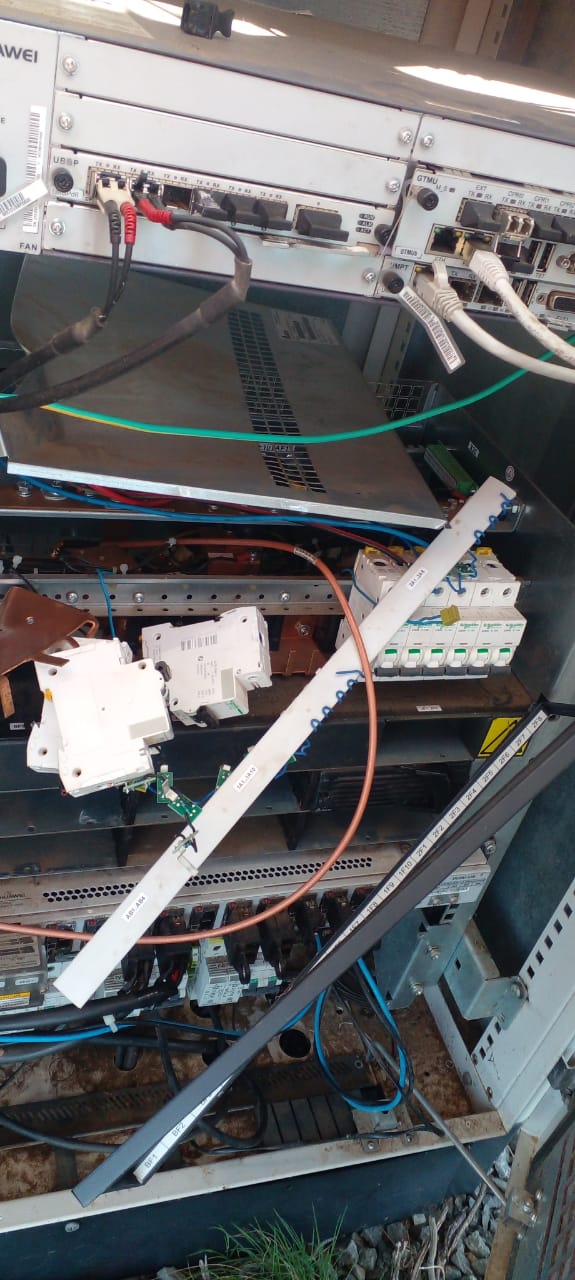
Maseru, October 20 — Vodacom Lesotho has called for a coordinated national response to escalating vandalism of telecommunications infrastructure warning that the destruction of network equipment is disrupting essential services and undermining digital connectivity.
Speaking in a statement, Vodacom Lesotho Head of External Affairs and Regulatory, Mr Tšepo Ntaopane said that recent incidents at network sites across the country involved the cutting of power and communications cables, damage to electrical systems, tampering with equipment cabinets and destruction of other critical assets.
He stated that the attacks affect infrastructure that supports emergency communications, digital learning, business operations, mobile financial services and connectivity for public institutions including health and law-enforcement agencies.
“These incidents are not victimless crimes. When a network site is vandalised, entire communities lose access to essential communications,” he said.
He added that the disruptions could prevent families from making urgent calls, interrupt business activities, limit learners’ access to educational resources and make it difficult for people requiring emergency assistance to connect.
According to Mr Ntaopane, Vodacom Lesotho deploys technical teams and contingency measures to restore affected services as quickly as possible. However, repairing and replacing damaged infrastructure requires substantial financial resources, specialised expertise and time.
He indicated that the costs divert resources that could otherwise be invested in network expansion, service improvements and community development initiatives.
Mr. Ntaopane further noted that infrastructure vandalism has wider economic and social consequences, including service outages, revenue losses and increased operational costs, while slowing efforts to extend connectivity to underserved communities.
He urged communities living near telecommunications sites to help protect the infrastructure by reporting suspicious activities, discouraging interference with network facilities and informing local authorities of any damage or attempted theft.
He also appealed to scrap-metal dealers, recyclers and members of the public to reject the purchase and trade of cables, batteries, solar equipment and other items suspected to have been stolen from telecommunications or electricity infrastructure.
Mr. Ntaopane noted that resources spent replacing vandalised equipment could instead be used to expand network coverage, improve services and connect more Basotho.
He emphasised the importance of collective action in safeguarding telecommunications infrastructure, which plays a vital role in supporting the country’s social and economic development.
Ends/NT/tl
