

Qacha’sNek, July.22 — Beyond the vibrant town of Qacha’s Nek, a buzzing administrative and commercial centre in Lesotho’s south with government offices, supermarkets, taxis, and a steady flow of traders, lies a quiet, almost forgotten village: Khomo-Lia-Oela.
Just a few minutes from the town’s tarred roads and rows of formal shops, Khomo-Lia-Oela presents a very diff erent image.Soil-built houses lean like tired elders, their walls cracked and softened by years of rain and neglect.
Many are rented for just M50 a month, whether for shelter or small informal businesses.Window spaces are covered with pieces of corrugated iron roofing, cloth, or plastic to keep out the cold, while fire smoke blackens the walls.
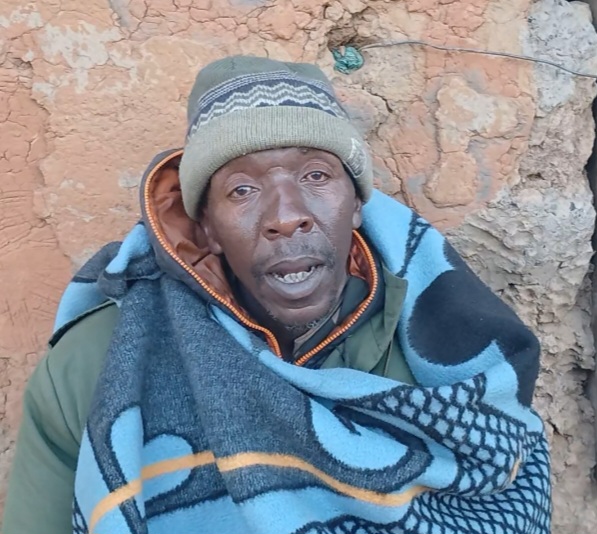

Inside or outside these crumbling homes, groups of middle-aged and elderly people gather early in the day, drinking and talking.Despite the decay, life simmers with quiet determination.
In large plastic barrels and iron pots, traditional Sesotho beer is brewed — thick, tangy, and potent. For the people of Khomo-Lia-Oela, this is not just a drink. It is livelihood, culture, and a means of survival passed down through generations.

In a place where development has long moved on, beer still pays for school fees, food, and dignity.
It helps build homes and keeps families going. Each bucket of brew carries a story of resilience, sacrifice, and hope.These are the stories of Khomo-Lia-Oela’s brewers, people crafting more than just beer, but survival in every drop. . .
Ends/MAPM
