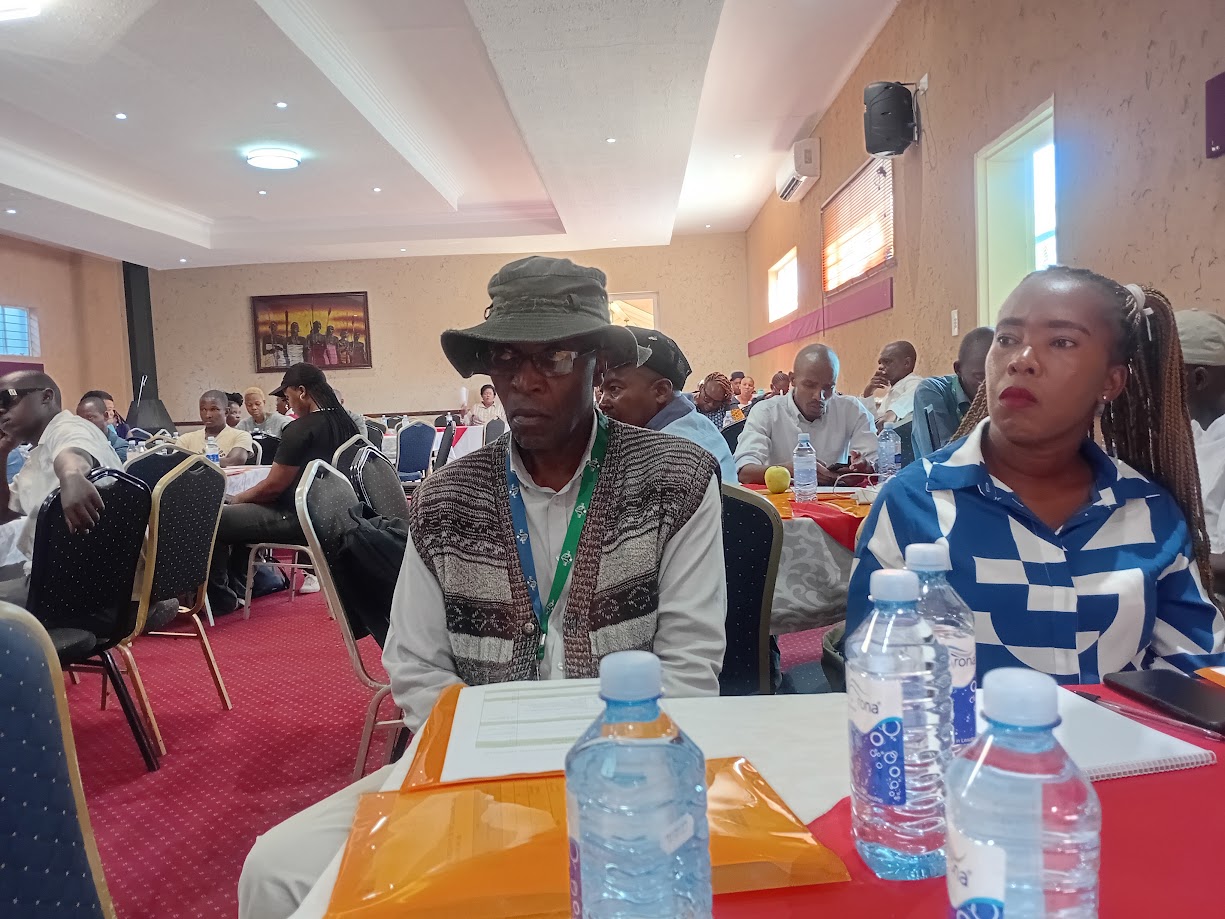
Maseru, Jan. 12 — The Independent Electoral Commission (IEC) has convened a dialogue with political parties and civil society organisations aimed at examining inclusivity within Lesotho’s electoral process.
IEC representative, Mrs. Lydia Macheli said the commission is making every effort to promote inclusivity in elections, despite facing a number of challenges. Among these, she noted the limited familiarity with international sign language in rural areas.
She explained that while the IEC provides sign language interpreters during voter education programmes, many people in villages are not accustomed to international sign language, which affects effective communication.
Mrs. Macheli also questioned the commitment to inclusivity within political parties, pointing out that most do not provide sign language interpreters at their political rallies.
According to Mrs. Macheli, the dialogue seeks to identify existing gaps in the electoral process and explore ways to address them in advance, rather than responding to urgent demands from persons with disabilities shortly before elections, including calls for rapid legislative changes.
She further expressed concern that election observer reports often remain general and fail to assess the participation of persons with disabilities or the accessibility of elections to minority groups.
Mrs. Macheli also highlighted the absence of provisions specifically addressing the rights and participation of persons with disabilities in many political party constitutions.
Meanwhile, Chairperson of the DeafBlind Association of Lesotho, Ms. Likopo Lesoetsa, stressed the importance of genuine inclusivity in the electoral process.
She said persons with disabilities should not be viewed as beneficiaries of goodwill, but as citizens with equal rights.
Ms. Lesoetsa noted that when political party constitutions do not address the needs and rights of persons with disabilities, it becomes difficult to expect meaningful inclusion once those parties assume government.
She emphasised the principle of ‘nothing about us without us,’ urging political leaders to review their policies and assess how they address minority groups.
She observed that political parties often have dedicated committees for youth and women, but rarely for persons with disabilities. Ms. Lesoetsa argued that establishing such committees would enable persons with disabilities to actively participate and clearly articulate their needs within party structures.
She also underscored the need for braille ballot papers to allow blind voters to cast their votes independently, without relying on assistance from others.
The three-day dialogue is scheduled to begin on Monday and will conclude on Wednesday.
Ends/MP/tl
