
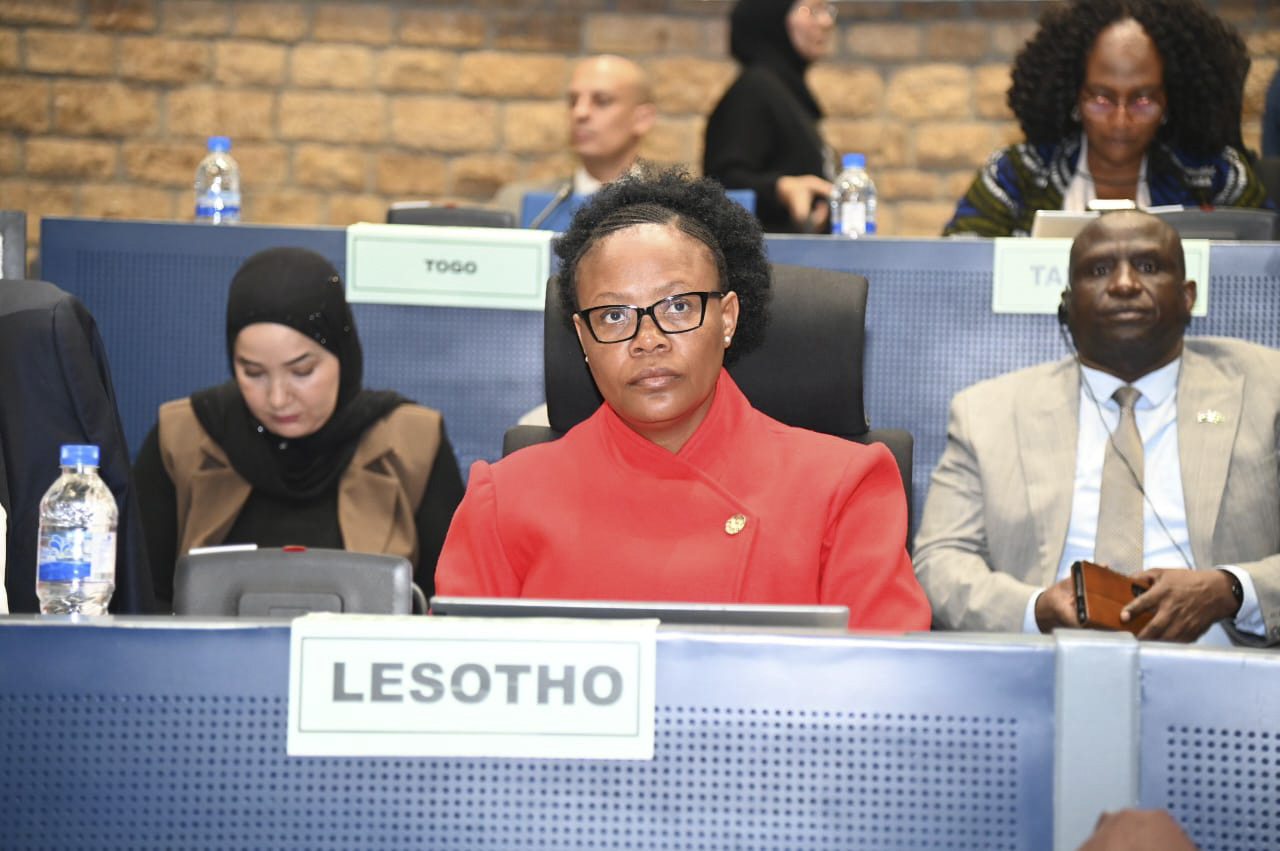
Addis Ababa, Aug. 4 — Lesotho has called for urgent continental action to protect schools, teachers and learners from the devastating effects of armed conflict, warning that prolonged disruption of education threatens Africa’s peace, stability and development.
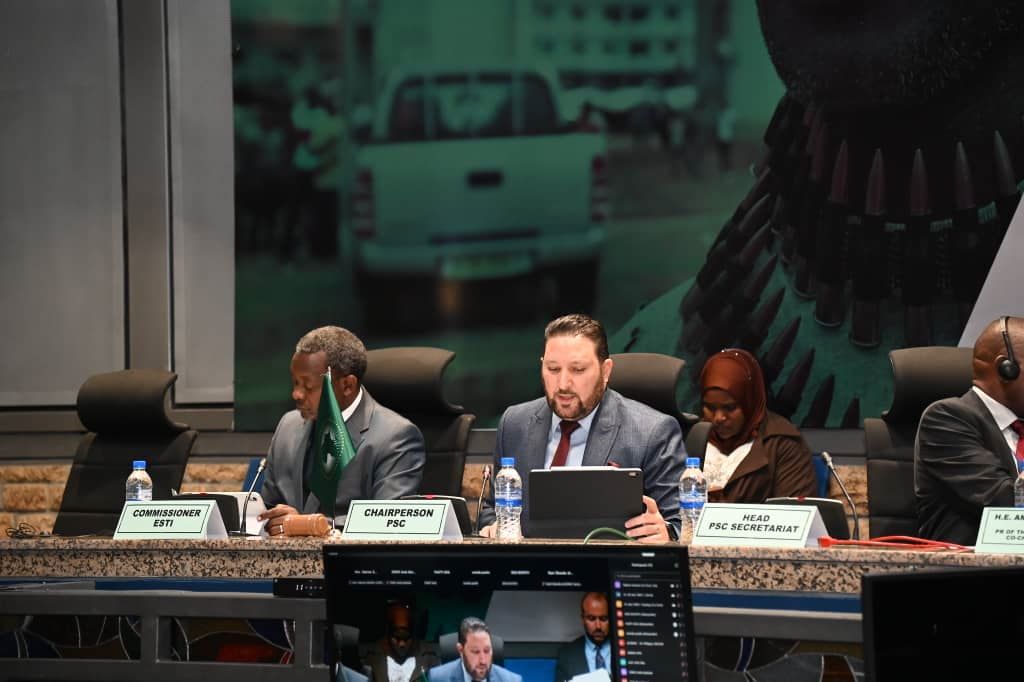
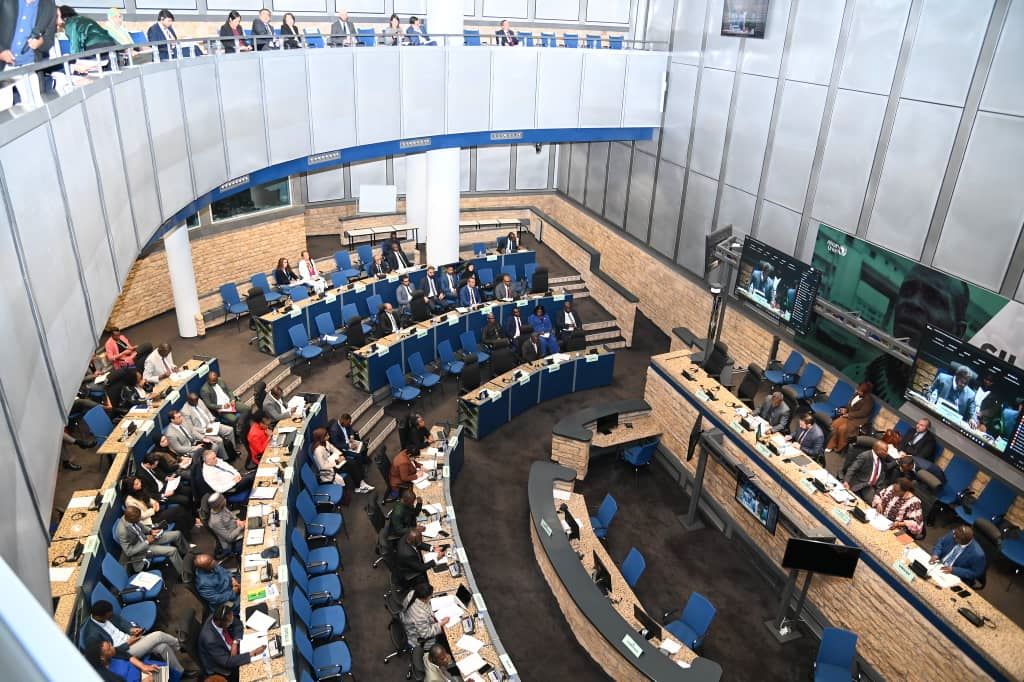
The call was made during the 1357th Open Session of the African Union (AU) Peace and Security Council (PSC) on Education in Conflict Situations, held at the African Union headquarters under Algeria’s presidency of the Council.
The session was chaired by Ambassador Mohamed Khaled, Permanent Representative of Algeria to the African Union, as Algeria commenced its August 2026 presidency of the Council. The annual discussion brought together PSC members, African Union institutions, child-protection bodies and international partners.
Representing Lesotho, Ambassador Nts’iuoa Sekete, Permanent Representative to the African Union and Vice-Chair of the African Platform on Children Affected by Armed Conflict, said education must be regarded as an essential component of civilian protection, humanitarian response and peacebuilding.
“Across our continent, conflicts are destroying schools, displacing teachers and depriving millions of children of their future. This is not merely a temporary interruption of learning; it is a generational wound that can deepen poverty, instability and renewed conflict,” Ambassador Sekete said.
She called for attacks on schools, the military occupation of educational institutions, and violence against learners and teachers to be systematically documented, investigated and addressed through national, regional and continental accountability mechanisms.
Ambassador Sekete also urged African countries to integrate education into early-warning systems, humanitarian operations, peace-support missions and post-conflict reconstruction programmes. “Protecting education means protecting Africa’s future. Even countries that are at peace have a responsibility to stand with children trapped in conflict and displacement. No African child should lose the right to learn because of circumstances beyond their control,” she said.
Lesotho further advocated increased investment in temporary and community-based classrooms, school-feeding programmes, psychosocial services, teacher protection, digital and radio-based learning, and accelerated education for children whose schooling has been interrupted.
The Chairperson of the African Committee of Experts on the Rights and Welfare of the Child (ACERWC), Hon. Sabrina Gahar, called for stronger cooperation between peace and security, education, humanitarian and child-rights institutions.
Hon. Gahar said education could not be deferred until peace had been restored, describing it as a form of protection, a foundation for recovery and an investment in sustainable peace.
The Committee also drew attention to the particular vulnerability of displaced children, girls, children with disabilities and those formerly associated with armed forces and armed groups.
Professor Gaspard Banyankimbona, African Union Commissioner for Education, Science, Technology and Innovation, emphasised the importance of building resilient education systems capable of continuing to operate during emergencies.
“Our education systems must be prepared to withstand crises. Technology can support continuity of learning, but it must be accompanied by trained teachers, reliable infrastructure, relevant content and solutions that can reach children in communities without electricity or internet connectivity,” Commissioner Banyankimbona said.
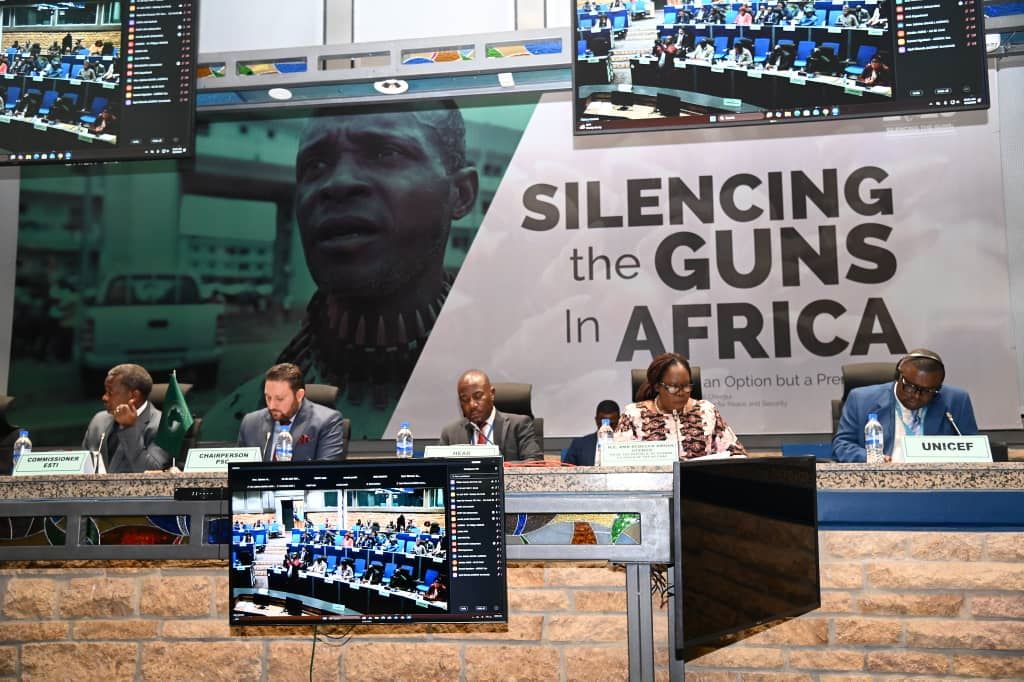
Ambassador Amma Twum-Amoah, African Union Commissioner for Health, Humanitarian Affairs and Social Development, underscored the importance of integrating education into Africa’s wider humanitarian response.
“A child affected by conflict does not experience education, health, nutrition and protection as separate needs. Our interventions must therefore be coordinated, adequately financed and centred on the dignity and full recovery of every affected child,” Commissioner Twum-Amoah said.
Participants condemned attacks against schools and educational personnel and reaffirmed the obligation of parties to armed conflict to comply with international humanitarian law, international human-rights law and African child-protection instruments.
The session also called for greater implementation of the Safe Schools Declaration and stronger accountability for attacks on schools, the recruitment of children, gender-based violence, forced marriage and other grave violations that prevent children from learning.
Lesotho reaffirmed its commitment to using its membership of the AU Peace and Security Council to advance child protection, inclusive education, preventive diplomacy and stronger early-warning mechanisms. The Kingdom stressed that protecting education during conflict is essential to safeguarding Africa’s future and laying the foundation for sustainable peace.
Ends/MAPM
