
Addis Ababa, June. 2 — The African Union Peace and Security Council (PSC) has called for renewed continental solidarity, sustainable financing, and stronger African-led responses to address the escalating humanitarian and displacement crises affecting millions across the continent.
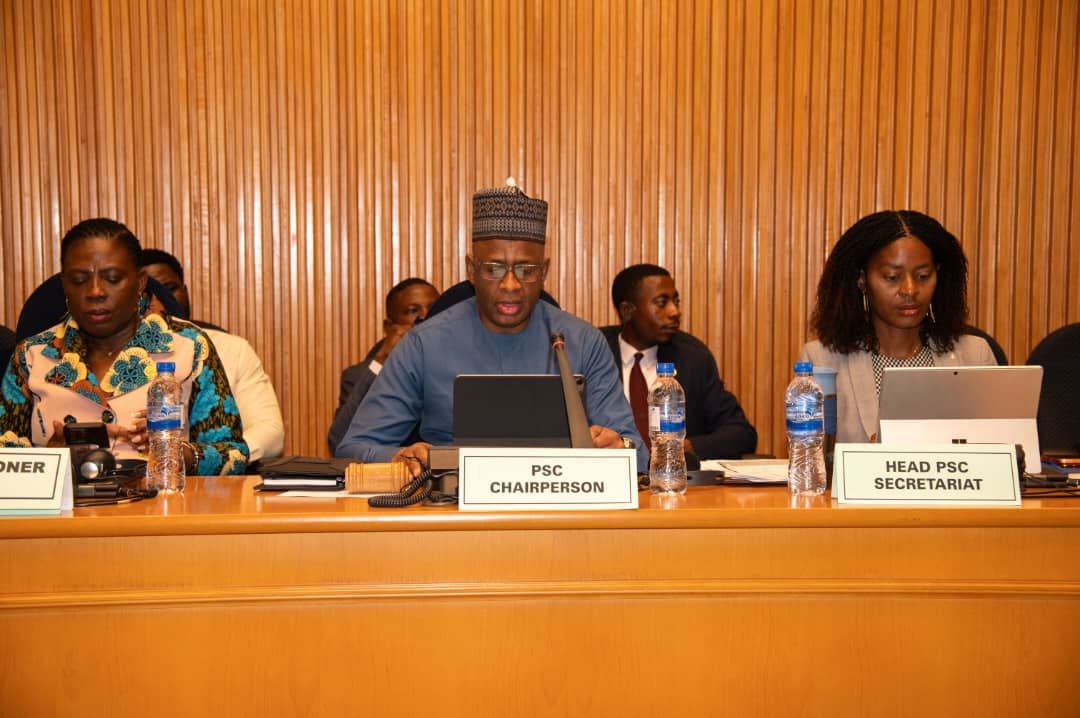
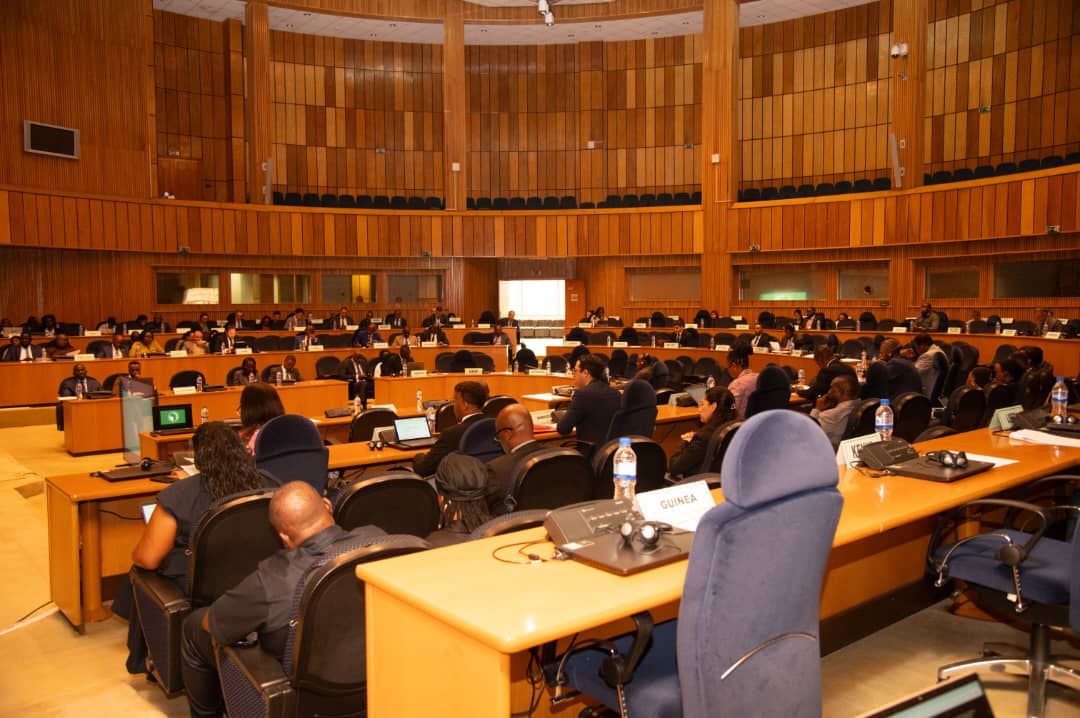
During the World Refugee Day observance month, the PSC convened its 1350th Open Session on Refugees, Internally Displaced Persons (IDPs), Statelessness and Humanitarian Assistance in Africa.
The session brought together AU Member States, humanitarian partners, and international observers to assess the worsening humanitarian landscape across Africa.
Briefings presented during the session revealed that by the end of 2025, more than 45 million people had been forcibly displaced across Africa, including approximately 32 million internally displaced persons, between 10 and 12 million refugees, millions of returnees, and nearly one million stateless persons.
The Council noted that ongoing conflicts in Sudan and the Democratic Republic of the Congo (DRC) continue to represent some of the gravest humanitarian emergencies globally. In Sudan alone, more than 14 million people have reportedly been displaced, while violence in eastern DRC continues to disrupt access to food, healthcare, education, and protection services for millions.
The session further highlighted protracted humanitarian crises in South Sudan, the Sahel, and the Lake Chad Basin, where conflict, terrorism, climate shocks, food insecurity, and economic fragility continue to drive displacement and humanitarian suffering.
Council members expressed concern over the widening humanitarian financing gap, noting that less than 27 percent of Africa’s estimated USD 11 billion humanitarian funding requirements for 2025 had been mobilised, severely constraining life-saving interventions.
Participants reaffirmed the importance of key African humanitarian instruments, including the 1969 OAU Refugee Convention and the Kampala Convention on the Protection and Assistance of Internally Displaced Persons in Africa, as central frameworks guiding Africa’s collective humanitarian response.
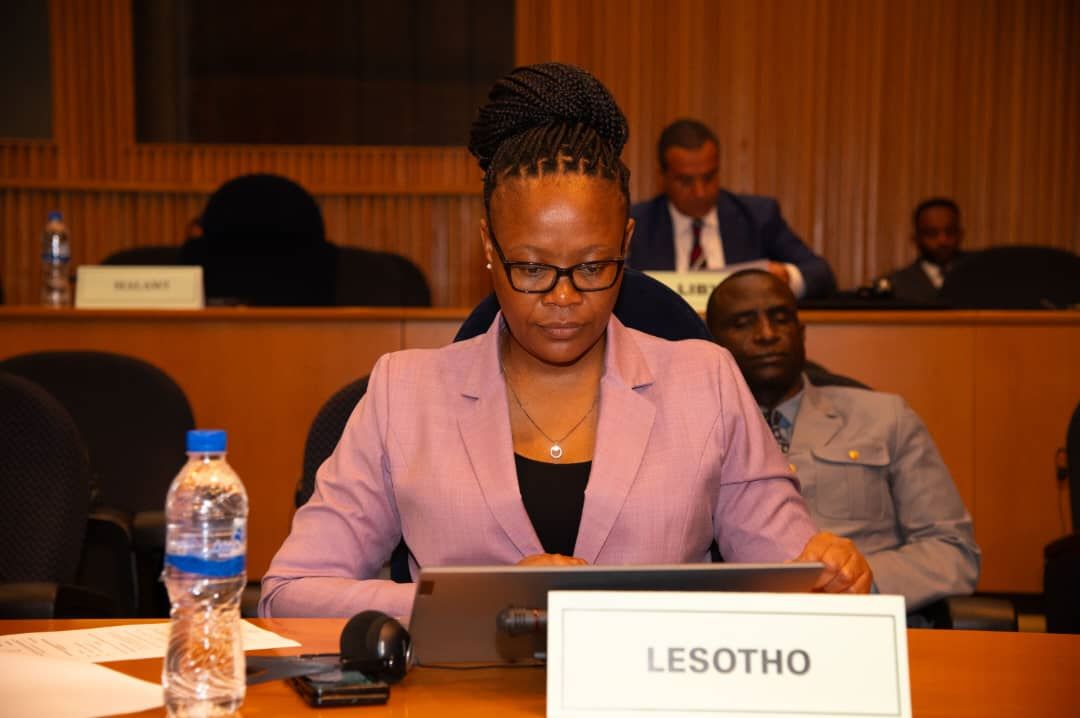
Lesotho’s Permanent Representative to the African Union and Ambassador to Ethiopia, Ambassador Ntšiuoa Sekete, underscored the importance of strengthened continental solidarity and coordinated humanitarian action.
“There is a need for enhanced early warning systems, conflict prevention, sustainable financing, and long-term resilience-building initiatives to address the root causes of displacement while protecting vulnerable populations, particularly women and children,” she said.
International partners, including the European Union and the United Kingdom, reiterated support for African Union-led humanitarian initiatives and stressed the importance of upholding International Humanitarian Law, protecting civilians, and ensuring unhindered humanitarian access.
The European Union announced that it had allocated more than €730 million (about M13.9 billion) in humanitarian assistance to Sub-Saharan Africa in 2026, while the United Kingdom welcomed efforts toward the adoption of an African Union Declaration on International Humanitarian Law.
The session concluded with a collective call for stronger political commitment, improved coordination, sustainable financing mechanisms, and comprehensive African-led approaches that place human dignity, resilience, and peace at the centre of humanitarian action across the continent.
Ends/MAPM/ml
