

Maseru, July.22—Even though different sectors in Lesotho will have a pinch from the United States (U.S) imposed tariffs, the textile sector has and will continue to suffer more from this transition.
In April President Donald Trump imposed a 50 percent tariff on Lesotho due to what he called trade imbalance between the two countries. Reports have indicated that in 2024, Lesotho exported $237 million (M4, 203,230,644.80) in goods to the U.S. mostly garments while the U.S. exported just $3 million (M53, 195,394.00) to Lesotho.Textile sector has for the longest time been the major contributor to Lesotho’s economy particularly in terms of employment and exports as it employed about 40,000 people.
The textile sector has been sluggish since 2019 with the world feared COVID-19 as most factories started retrenching workers due to low orders from the U.S as the main buyer.
However, things turned even more south since President Trump took to the Whitehouse as among others Lesotho got slapped with the highest tariff in all African countries.

With fear of the imposed tariffs, several factories in the country have resorted to engage workers in lay-offs in which workers go to work in fortnight shifts, though this might seem like a temporary solution while waiting for the government to meet with President Trump to plea for reduction of tariffs, it is more stressful because workers most who are breadwinners do not know if they are going or coming.
In an interview, a devastated Ms. Nthabeleng Moeketsane who came to the capital city 15 years ago and have since been working at one of the factories in Ha-Thetsane says from last month (June) things have been very hard as she had only two weeks to go to work, which means half the M2,300 in wages.
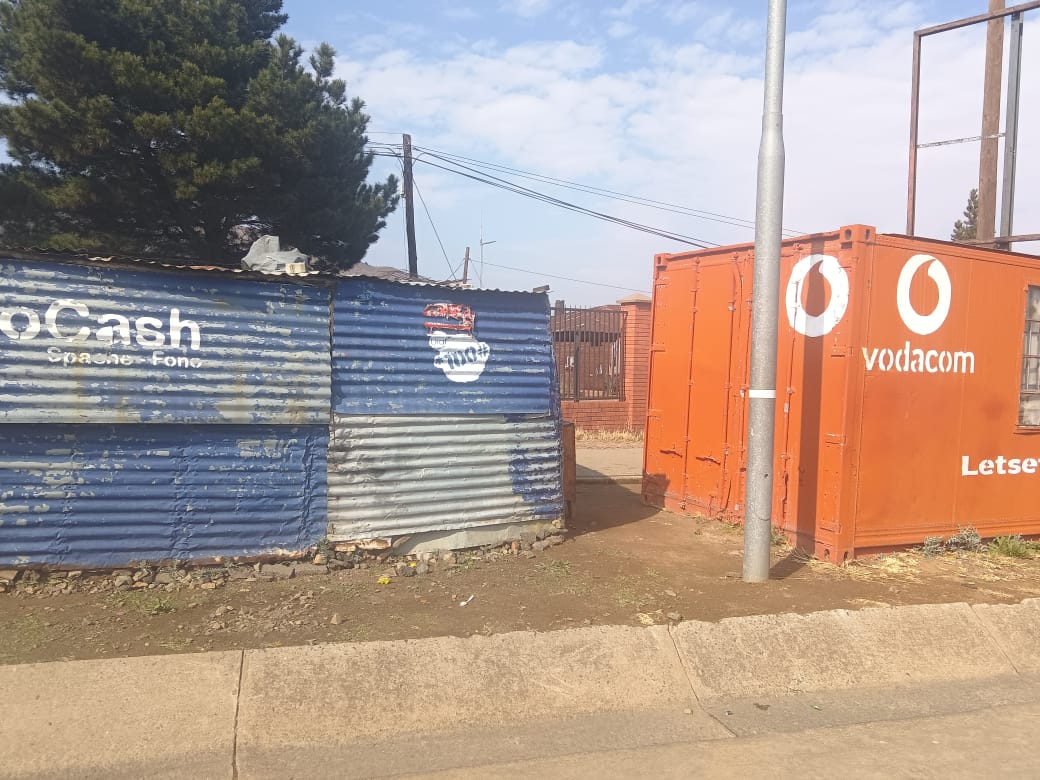
She said this is very little to cover her monthly expenditures which include rent, food, school fees and insurance.She said she is barely coping with the half wages such that she is even thinking of going to South Africa because the two weeks that she does not go to work, she is idly saying if she had money she would be selling commodities like cigarettes.
She expressed more fear with the African Growth and Opportunity Act (AGOA) expiry date approaching saying she is devastated because by the look of things, chances of AGOA being renewed are very slim.
Another Mrs. ‘Marethabile Lepekola who was retrenched around November last year by one of the factories in Maputsoe said she had hoped that by now she would be working but that faded away when the U.S introduced tariffs.
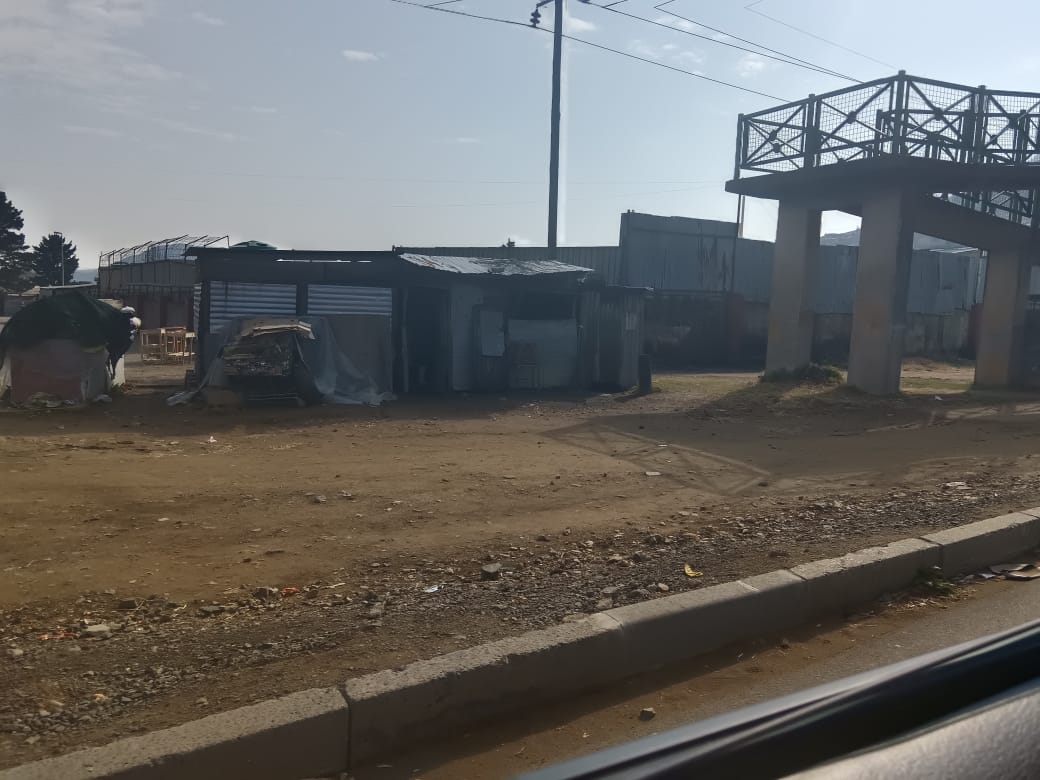
“I lived in hope since last November when I got retrenched that this year, I would get a job as the government had promised that more investors will flood the country and factories open in numbers but that seems like a dream never to reach.
These tariffs have shuttered the little hope I had because now investors are running away,” she said.Moreover, a street vendor ‘Matlhompho Jobo who has been operating at the Thetsane industrial area for over 15 years said the business is very bad now that most of the workers are home.
She said she used to go home with over M500 daily saying now she makes about M200 or less in a day.
She appealed to the government to work on opening more factories saying that their lives would be better once opened because they depend on factory workers.Echoing the same sentiments, 4+1 driver Mr. Bafokeng Khabo sitting inside his cab at the Thetsane industrial said that business has been very bad saying that things have turned worse in the past months.
He said back in the day, he would make around M600 in which M300 he would give to the owner of the taxi while M200 was for petrol and M100 for other things like traffic fines.
He said now he only makes around M300 which he said before petrol saying this is very little to cover all the expenses. “Today (Tuesday), business has not been good since morning and I don’t think I will make any money so I’m thinking of going home to park the taxi to save the little petrol that I have,” he said.
Furthermore, this issue extends to other sectors besides transport and vendors, such sectors include housing rentals, one Mrs. ‘Mats’epo Tsoebeane, landlord at Ha-Tsolo said this has been a very bad time for her saying out of the six double rooms she lease out only two are occupied.
She said the other rooms are empty but the tenants have left their furniture inside while they go to South Africa to search for jobs saying they left some time in January and still have not paid rent to date.
She said for years she has been living off the rent she got from those rooms but now she is struggling to even pay school fees for her children. She highlighted that on top of her struggles, she is still expected to pay tax even though the business is not making any money therefore said she wished the government through the tax collector would review terms and conditions on tax especially when business is sluggish.
On one hand, Afri-Expo owner Mr. Teboho Kobeli said the issue of U.S tariffs affects them in different ways saying his factory would not feel major impact because its speciality is Free On Board (FOB) which he said here the company does everything from cutting to putting a price tag while he said most of the factories in the country specialized on Cut Make Trim (CMT) which he said is going to be hit hard by the U.S tariffs.
“Afri-Expo will not be affected at all because we have markets in Canada, Europe and South Africa,” he said.
Commenting on whether the government can take over closed factories, Mr. Kobeli said it is not simple as that saying to salvage the remaining jobs and be able to create new ones, the government can partner with the factory owner or investor who already has orders emphasizing that for this to be successful, and it would need government’s intention. He added that to resuscitate lost jobs, the government should adopt FOB as such would take the country out of poverty.
On behalf of the Factory Owners Association through their Secretary Ms. ‘Malikhabiso Majara said they cannot speak now about the issue of tariffs saying they are still awaiting the government to give way forward.
Earlier the government had sought an audience with President Trump but to date nothing has happened.
On the other hand, Minister of Trade, Industry, Business Development and Tourism Mr. Mokhethi Shelile told the Agency in February after signing non-disclosure agreement with the U.S, the government of Lesotho sent its offer which was later followed by online meeting of Lesotho embassies resident to U.S.
He said the meeting informed them that the U.S will organize a team of sub-Saharan Africa countries excluding South Africa therefore saying that they are now awaiting the communique on the dispensation of the tariff which he said the certain percentage of tariff will be blanket and not individual countries in Sub Saharan Africa.
Commenting on the African Growth and Opportunity Act (AGOA), Minister Shelile explained that when President Trump declared state of emergency in January, that basically phased off AGOA emphasising that under that state of emergency AGOA is now null and void even though it is supposed to expire in September.
However, he mentioned that they have applied for review of AGOA and they will not stop to find ways to secure this for the sake of remaining jobs.
He added that among the SMMEs benefiting under the Regional Value Chains Lesotho project sponsored by the European Union (EU), small textile producers are included which he said contributes towards job creation.
Meanwhile in response to the soaring youth unemployment and economic instability, the government of Lesotho has declared unemployment as a national state of disaster. The government also introduced the initiative to register youth and Basotho companies free of charge.
For the past two weeks about 3,575 jobs have been created with 2, 079 from the Ministry of Public Works and Transport, 1000 from that of Trade through factories, 96 from the Ministry of Tourism and Environment and 400 from the Prime Minister’s Office through the Apprentice program.
From 2018 to date about 13 factories have closed down in Thetsane, Masowe, and Maputsoe with about 20 000 workers having lost their jobs, while a total of 11 factories is engaging in layoffs in the above-mentioned areas.
Ends/ AT
