
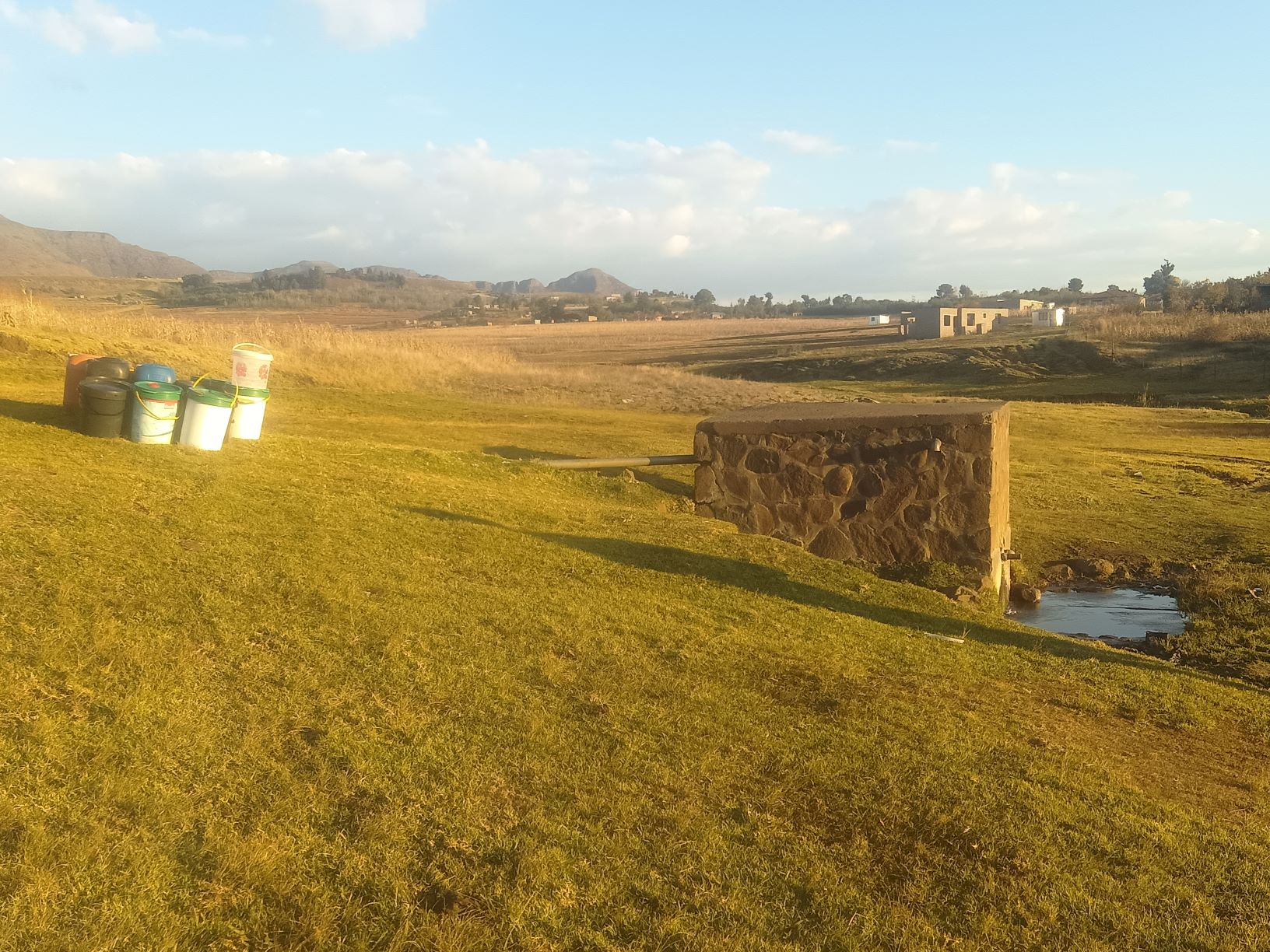
Maseru, May.26—For generations, the village of Tlhaha-lia-Tloka in Nazareth drew their water from a pristine, protected well. But recently, the community has raised complaints about an unsettling, briny tang in their drinking water, suspecting that the underground aquifer beneath the adjacent cemetery is leaching into their only supply.
The community complains that their eagerly anticipated well yields brackish, salty water, a lingering and ghostly reminder of what rests beneath their feet. For months, the women of the village had hauled empty buckets up the steep hill, praying for an end to their daily water crises.
The village is plagued by a bizarre phenomenon, the well water crystal clear to the naked eye carried an unmistakable, briny flavour. They drink the salty water, closing their eyes and quietly wondering if the heavy brine they tasted was the earth’s quiet way of reminding them of the generations that lay beneath them.
Residents are urgently pleading with the government to intervene and provide safe, clean water infrastructure to prevent a looming public health crisis.
Speaking in an interview, Community leader Chief Lone Matlali says water is life but in their village, it feels like a curse. He said they needed safe, piped borehole water and they needed it immediately.
Moreover, one of the community elders Mr. Masheane Nkhets’e indicates that the water does not taste of fresh rain. “It tastes like salt,” he says. “And it is not just the taste, it could also affect our health as it could be contaminated”.
He elaborated that they used to have communal taps back in the day but they all broke down hence they opted for the well.
Another Mrs. ‘Makhahliso Ramonkhe reiterated saying they boil the brine for their daily needs, turning a bitter daily burden into a quiet testament of resilience in the shadow of their ancestors.
On the other hand, District Health inspector Mrs. ‘Maleloko Ncheche stressed that the cemetery can never be above the water source as that could expose the community to sickness. She assured that they will pay a visit to the concerned village.
Meanwhile, the government is progressively working to expand safe drinking water access through the Lesotho Lowlands Water Supply Scheme (LLWSS). These bulk infrastructure programs aim to boost climate resilience and secure universal access.
According to SDG 6, access to safe water and sanitation is crucial for health, economic development and climate resilience yet significant global gaps remain in ensuring universal availability.
Its core targets include actionable targets to ensure safe, affordable and sustainable water management by 2030 citing universal, equitable and safe access to drinking water, sanitation and hygiene while eliminating open defecation. Ends/AT/BM
