
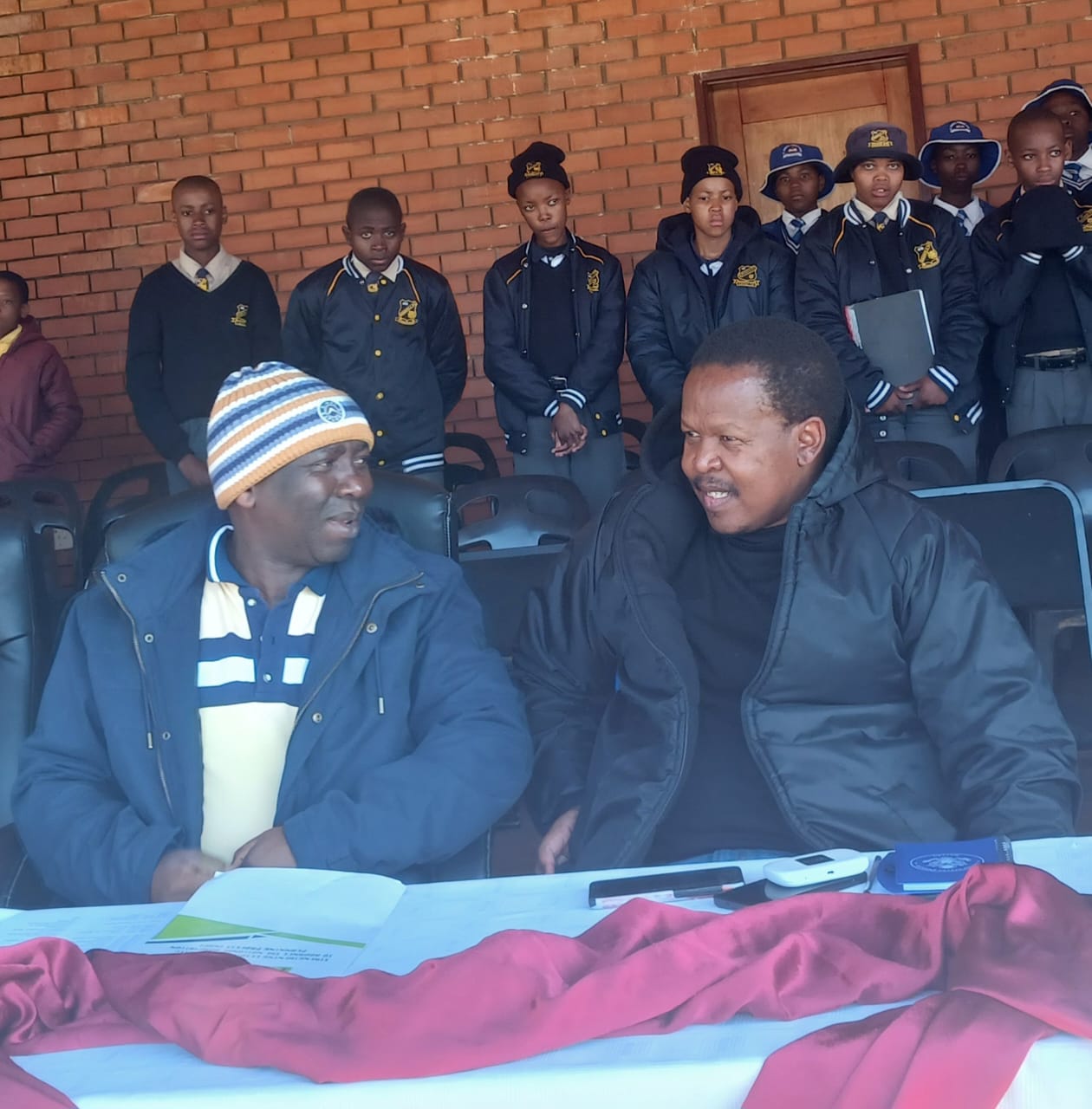
Qacha’s Nek, May.22 — Minister of Environment and Forestry, Thabo Mofosi has urged farmers to become self-reliant and avoid depending on government support after receiving training and assistance.
Speaking during the national commemoration of International Bee Day held in Qacha’s Nek on Friday, Mofosi said farmers should use the skills and support they receive to increase production.
“As a farmer, I do not believe in people depending on assistance forever. Farmers should use the skills they gain to build sustainable production instead of relying on external support all the time,” he said.
He said bees are among the country’s treasures, adding that bee products are easier to transport to markets compared to some agricultural produce.
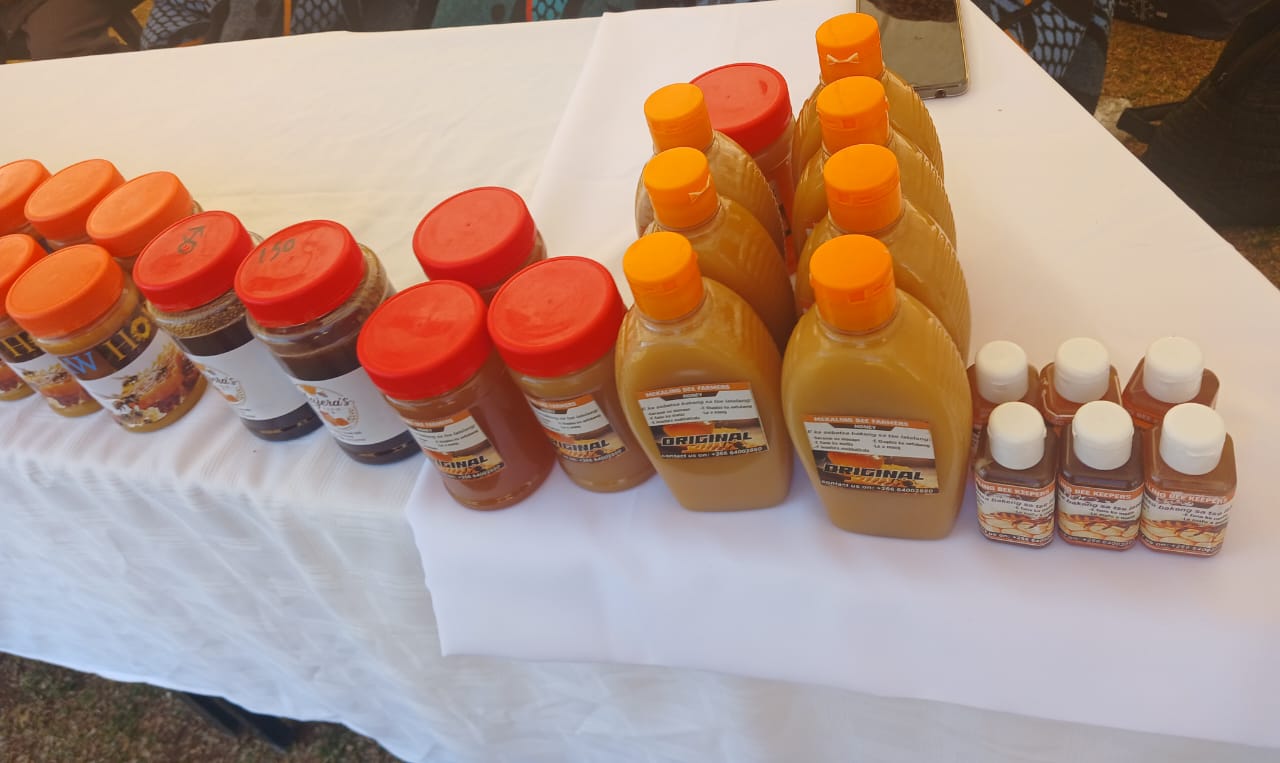
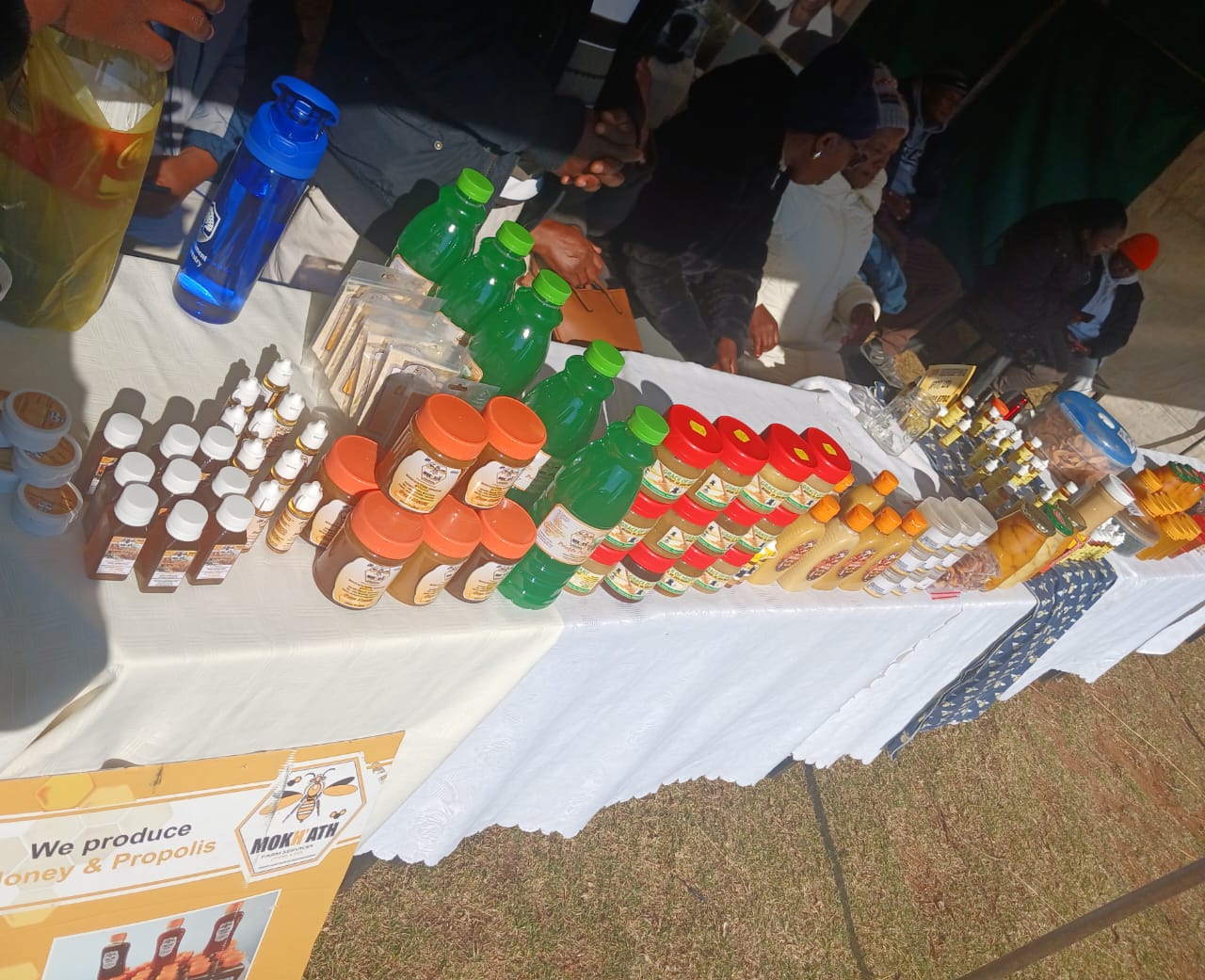
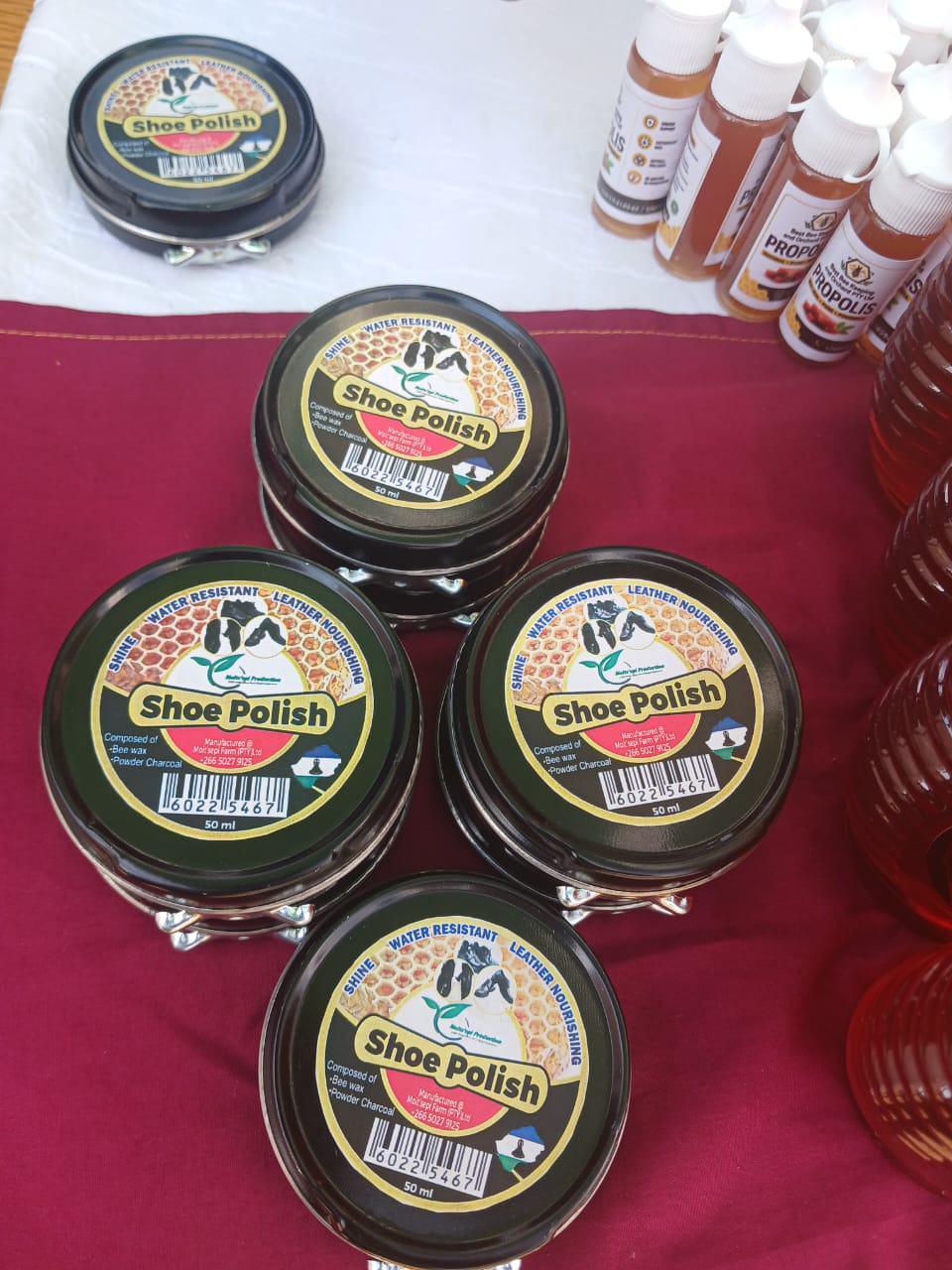
Held under the theme “Bee Together for People and Planet – A Partnership that Sustains Us All,” the event featured entertainment from local schools, exhibitions of bee products and awards to outstanding farmers, who received certificates, cash prizes and protective beekeeping suits.
Mofosi encouraged Basotho to embrace beekeeping collectively, saying bees contribute towards food production, food security and income generation.
He said the ministry will intensify awareness campaigns among herders and communities on the importance of bees so they can make informed decisions regarding environmental conservation and beekeeping.
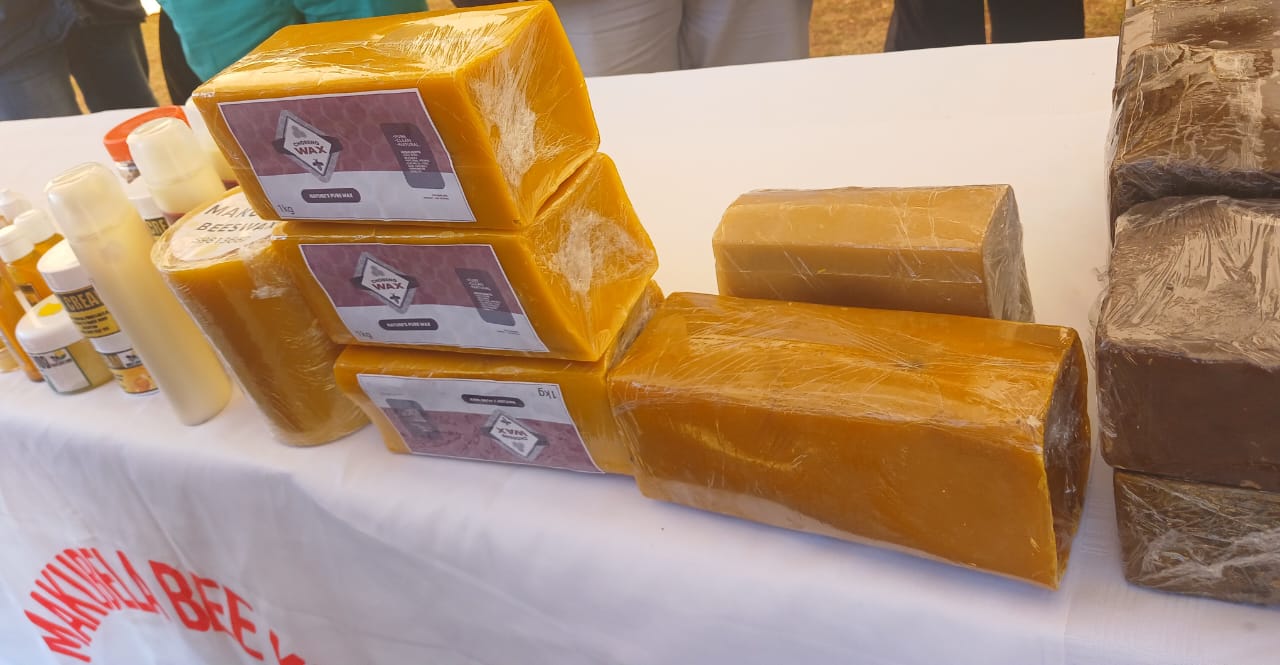
The minister stressed the need for proper testing and certification of bee products to determine their quality and value before entering larger markets, saying this would improve market access and consumer confidence.
In support of youth participation in agriculture, he pledged support to students interning at the Southern Mountains Association for Rural Transformation and Development (SMARTD), including those who recited poems during the event, promising each beneficiary a beehive, with plans for them to receive five hives eventually. “We will leave all of them with five boxes to produce going forward,” he said.
He further committed 50 trees to each student to help sustain bee feeding and environmental conservation. Mofosi said the government, through the Access and Benefit Sharing project will conduct laboratory testing of bee products in preparation for international markets.
“We are going to choose two countries for tests,” he said.
He also said the government will assess market demand to determine the production capacity required to penetrate major shops locally.
“The good news is we are going to improve our laboratory, working with all stakeholders to ensure standards can be checked without having to go outside the country for such services,” he said.
Minister of Gender, Youth and Social Development, Pitso Lesaoana, applauded beekeepers for their efforts and encouraged them to improve packaging and branding of their products to increase sales and competitiveness.
He shared a personal testimony, saying bee products helped clear his skin after years of struggling with pimples. “These products have helped many people, and I am one of them,” he said.
Lesaoana added that Lesotho’s honey is regarded among the best quality globally, but poor packaging remains one of the major barriers limiting its market potential.
Director of Forestry in the Ministry of Environment and Forestry, Mokete Bereng, said Lesotho first commemorated International Bee Day in 2017 in Mafeteng before celebrations were interrupted by the COVID-19 pandemic.
He explained that May 20 was designated by the United Nations as World Bee Day to raise awareness about the importance of bees in people’s lives and the environment. “We want people to understand that despite their small size and the fear some people have of them, bees are extremely important to our environment and livelihoods,” he said.
Beekeeping and Industry Organisation of Lesotho (BIOL) Chairperson, Arabang Mokokoane, praised Qacha’s Nek farmers for hosting what he described as one of the most advanced celebrations since the country began observing the day locally.
“Although Lesotho started commemorating this day later than some countries, the quality of our honey and our production potential show that we can still compete internationally,” he said.
Founder and Director of Technologies for Economic Development (TED), ’Mantopi Lebofa, emphasised the environmental significance of bees, revealing that a single bee pollinates about 1,000 flowers a day. “We cannot achieve sustainable development without protecting bees,” she said, calling for stronger collaboration among stakeholders in environmental conservation.
SMARTD Programme Manager, Fako Fako, said bees are essential to agriculture and food systems globally, noting that 75 percent of plant pollination depends on bees. “Everyone needs a farmer three times a day, for breakfast, lunch and dinner,” he said, while discouraging herders from using fire to harvest honey, a practice that destroys bee colonies.
Beekeeper Motlatsi Shale from Thaba-Ts’oeu, Qacha’s Nek appealed to students, herdboys and community members to protect and preserve bees. “Whenever you see a swarm of bees, call beekeepers instead of killing or burning them because they are very important for crop and fruit production,” he said.
He said beekeeping contributes significantly to agriculture and livelihoods, urging communities to treat bees as an important resource.
Speaking on behalf of the area chief, Sempe Nkuebe described beekeeping as one of the simplest farming activities, saying it does not require constant supervision like some other forms of farming. “All you need is a beehive and to ensure its protection while the bees do the rest as you continue with your daily activities,” he said.
District Council Secretary (DCS), Sebata Mikelloa said the event helped change perceptions among some people who previously viewed bees as dangerous.
He said councils, through councillors, are committed to working with beekeepers and supporting awareness campaigns in communities. Mikelloa appealed to key stakeholders to capacitate councillors so that accurate information about the importance of bees can reach all Basotho.
Meanwhile, Lesotho Post Bank representative Xoliswa Tjala encouraged beekeepers to work collectively and strengthen savings culture to expand production and improve access to financial support. “Unity is power,” she said. “When farmers work together, opportunities become easier to access.”
As Lesotho strengthens efforts to position beekeeping as a viable economic and environmental sector, stakeholders at the celebration agreed that protecting bees is no longer just about honey production, but about safeguarding livelihoods, biodiversity and the country’s agricultural future.
Ends/MAPM/ml
