Maseru, Feb. 18 — For many years, people with disabilities in Lesotho have raised concerns about limited access to key national processes, including parliamentary proceedings and major public announcements.
The absence of sign language interpretation during important events such as the national budget speech often left members of the Deaf community excluded from critical information that directly affects their lives.
However, hope was rekindled on Wednesday when Sign Language Interpreters were integrated into the delivery of the national budget speech in the Parliament of Lesotho.
The development has been widely welcomed by disability rights advocates as a significant step towards inclusivity and recognition of linguistic rights.
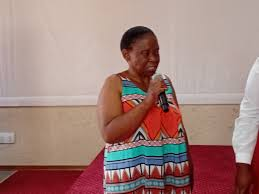
President of the Deafblind Association of Lesotho and Chairperson of Persons with Disability Advisory Council, Mrs. Likopo Lesoetsa, applauded Parliament for ensuring that Deaf and hard-of-hearing citizens had access to the proceedings.
“For years, our community has been excluded from fully participating in national events such as the budget speech,” she said. “The presence of Sign Language Interpreters shows that Parliament is taking inclusivity seriously.”
She noted that Parliament already employs two sign language interpreters, describing the institution as a pioneer in advancing accessibility within government structures.
According to Mrs. Lesoetsa, this move should serve as an example to all ministries to adopt inclusive practices, including employing Deaf persons alongside qualified interpreters to ensure effective communication.
“This is particularly important for ministries that serve people with disabilities,” she added. “Inclusion must go beyond policy statements and become visible in daily government operations.”
She further commented that the integration of sign language interpretation also reflects growing recognition of linguistic rights, following the incorporation of sign language as an official language in Lesotho last year.
She argues that recognising sign language is not only a symbolic gesture but a constitutional and human rights obligation aligned with international frameworks such as the United Nations Convention on the Rights of Persons with Disabilities (UNCRPD), which emphasises access to information, equality before the law and full participation in public life.
Mrs. Lesoetsa emphasised that full implementation of sign language recognition will demonstrate the government’s commitment to inclusivity.
“We will be content when the recognition of sign language is implemented comprehensively across all sectors,” she said. “But this is a good and encouraging start.”
Disability rights groups say the move signals progress toward respecting not only linguistic rights, but also broader rights to information, participation, dignity and equal citizenship for persons with disabilities in Lesotho.
Ends/MP/tl
