
By Noliwe Tlamane
At a busy taxi rank in the heart of Maseru, taxi driver Mr. Tieho Mofokeng studies the fuel gauge of his vehicle before beginning another day on the road. Across the country in the mountains of Mokhotlong, sheep farmers are preparing for the next wool and mohair season, hoping for better prices and improved access to international markets.
Neither Mofokeng nor the farmers have any influence over conflicts in the Middle East, international oil prices or global trade agreements yet the decisions made in foreign capitals and international markets continue to shape their daily lives. That reality was reflected when Lesotho announced two significant economic developments that could have lasting implications for households, businesses and the country’s future growth prospects.
The first was the decision by the Central Bank of Lesotho (CBL) to increase the Central Bank Rate from 6.50 percent to 6.75 percent while the second was the signing of a historic Wool and Mohair Export Protocol between Lesotho and the People’s Republic of China aimed at strengthening trade and expanding market access for one of the country’s most valuable agricultural exports.
While one announcement focused on protecting the economy from rising inflation and global uncertainty, the other sought to unlock opportunities for growth, exports and employment. Together, they paint a picture of a country balancing caution with optimism as it navigates a rapidly changing global economic environment.
The World Is Changing and Lesotho is feeling it, the modern economy is deeply interconnected.
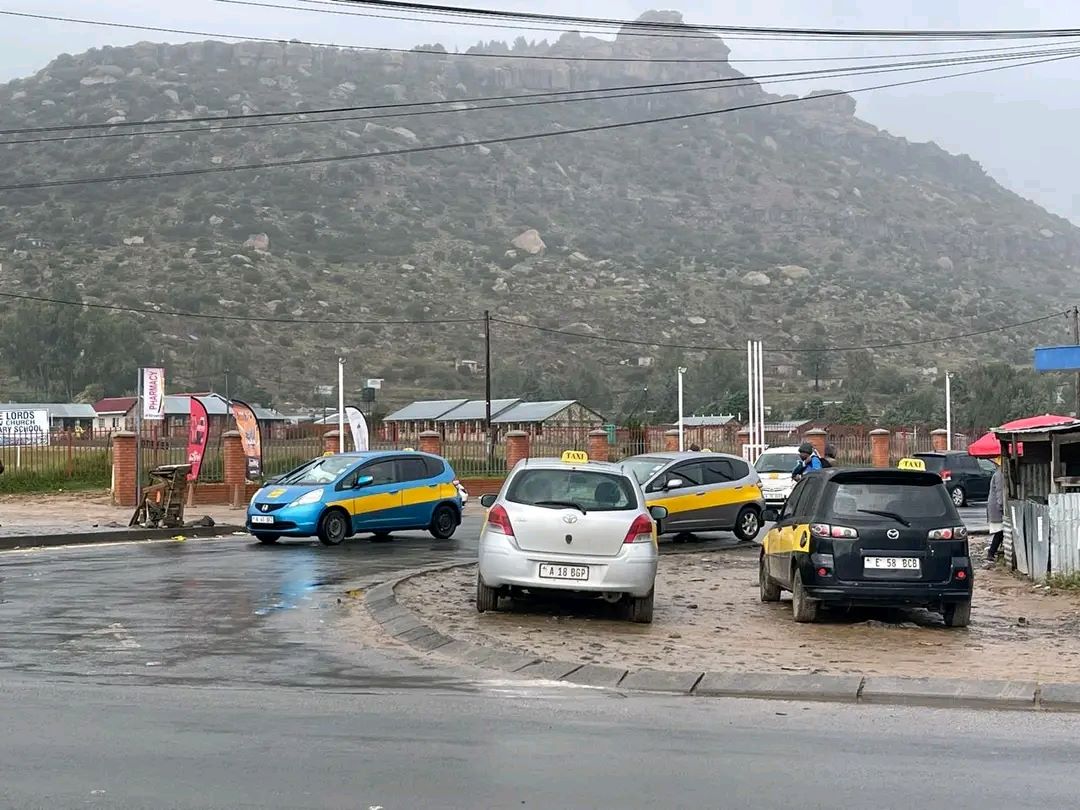
For taxi driver Mr. Tieho Mofokeng, economics is not an academic discussion.It is something experienced every day on the roads of Maseru. Standing beside his vehicle while waiting for passengers, he explained how rising fuel costs have affected transport operators.
“Fuel is one of our biggest expenses. Every increase affects our business immediately,” he said, adding that when fuel prices go up, everything becomes difficult as sometimes passengers think taxi operators are making excuses but the reality is that the costs increase every time they visit a filling station.
Mr. Mofokeng said that many taxi operators have had to work longer hours simply to maintain their incomes. He believes efforts to control inflation are important because rising prices affect everyone.
“People are already struggling with food prices and transport costs. If the Central Bank is trying to prevent things from getting worse, then that is important.”
He added that economic stability benefits transport operators because a healthy economy means more people travelling, working and conducting business.
“When businesses grow and people have jobs, we also benefit because there are more passengers.”
A conflict thousands of kilometres away can affect the price of bread in Maseru, a disruption in international shipping routes can increase the cost of transporting goods to Lesotho while changes in oil prices can determine how much a taxi driver spends at the pump and how much a family spends on food. This interconnectedness has become increasingly evident in recent months.
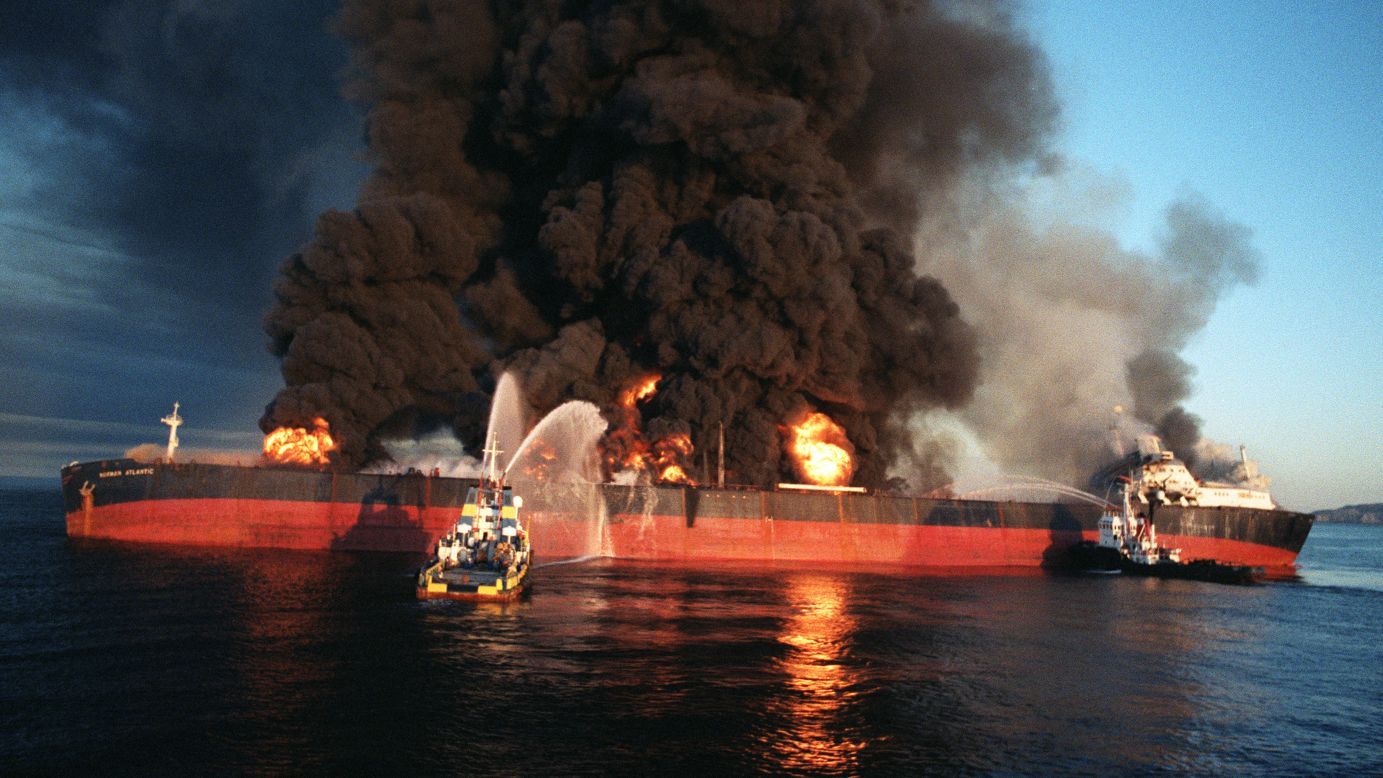
The Central Bank of Lesotho Governor Dr. Maluke Letete warned that global economic uncertainty remains elevated. He pointed to continuing geopolitical tensions, particularly in the Middle East, as one of the major risks facing economies around the world.
He indicated that the conflict has contributed to instability in global energy markets, resulting in higher oil prices and increased transportation costs and for Lesotho which imports most of its fuel, these developments have serious implications because as fuel prices rise, transport costs increase, when transport costs increase, businesses spend more moving goods and when businesses spend more, prices often rise for consumers.
The result is inflation, the gradual increase in the prices of goods and services over time.
Inflation affects everyone but it is often hardest on low-income households because a larger portion of their income is spent on necessities such as food, transport and energy.
According to the CBL, inflation stood at 3.1 percent in April 2026 and is expected to rise to 4.8 percent by June before reaching approximately 5 percent in 2027. Faced with these risks, the Monetary Policy Committee opted to act.
“The increase in the policy rate is modest but necessary to maintain macroeconomic stability and anchor inflation expectations,” Dr. Letete said.

For many Basotho, interest rates are not a topic of daily conversation yet they influence many aspects of economic life as commercial banks use the Central Bank Rate as a benchmark when determining lending rates therefore when the Central Bank increases its rate, borrowing generally becomes more expensive. This can affect housing loans, vehicle financing, business loans and other forms of credit.
Economists explain that central banks raise rates to reduce inflationary pressures.
When borrowing becomes more costly, consumers and businesses tend to spend more cautiously. This helps slow demand and ease upward pressure on prices. However, the decision is often a delicate balancing act.
The Central Bank therefore faces the difficult task of protecting price stability while supporting economic recovery.
Fortunately, Lesotho enters this period with an important advantage as its Net International Reserves currently stand at approximately US$1.2 billion, exceeding the minimum target by more than US$200 million. These reserves serve as a critical safety net against external shocks and help maintain confidence in the country’s exchange rate arrangement.
While concerns about inflation dominated economic discussions, another development offered a reason for optimism as Lesotho and China signed a Wool and Mohair Export Protocol expected to strengthen trade relations and improve market access.
The agreement follows months of technical discussions after Foot-and-Mouth Disease outbreaks disrupted trade and raised concerns among trading partners. The protocol establishes procedures designed to protect animal health while ensuring that exports can continue safely and efficiently.

Chinese Ambassador Mr. Yang Xiaokun described the agreement as a demonstration of the strong friendship and cooperation between the two countries. He noted that the protocol creates a long-term institutional framework for the export of wool and mohair products to China.
The agreement is particularly important because China remains one of the world’s largest textile markets and already accounts for approximately 18 percent of Lesotho’s wool and mohair exports. For thousands of Basotho farmers, access to such a market represents an important economic opportunity. In Lesotho’s highlands, wool and mohair are more than agricultural products. They are a source of dignity, income and survival.
For generations, sheep and goat farming has sustained families across districts such as Mokhotlong, Thaba-Tseka, Qacha’s Nek and Quthing.Income from wool and mohair sales helps pay school fees, purchase livestock feed, build homes and meet household expenses.
The Agriculture, Food Security and Nutrition Minister Mr. Selibe Mochoboroane described the signing of the protocol as a significant milestone in the longstanding friendship between Lesotho and China. He emphasized that the wool and mohair industry remains one of the pillars of Lesotho’s agricultural economy.
The Minister noted that while the Foot-and-Mouth Disease outbreak presented serious challenges, it also provided an opportunity to strengthen disease surveillance systems and improve compliance with international animal health standards. He expressed confidence that the agreement would help restore momentum in the sector and create new opportunities for farmers and exporters.
Young People Looking Beyond the Farm Gate
While many view wool and mohair primarily as farming activities, young Basotho see opportunities throughout the value chain.
Twenty-four-year-old business graduate Ms. Mpho Ralebese believes the protocol could open doors for entrepreneurship and innovation.
“There are opportunities in processing, packaging, transport, logistics, warehousing and marketing,” she said.
“We should not think of wool and mohair only as raw products. There are many business opportunities linked to the industry.” Ralebese said noting that youth unemployment remains one of the country’s biggest challenges and she believes expanding export markets can help create jobs and encourage young people to participate in productive sectors of the economy.
“We always talk about creating employment, but employment comes from growing industries. When exports increase, businesses expand and opportunities follow.” she stated.
For Mr. Teboho Ntsane, a final-year economics student at the National University of Lesotho, the two developments are closely connected.
“The interest rate increase and the export protocol may seem unrelated, but both are about economic resilience,” he explained.
“One helps protect the economy from inflation while the other creates opportunities for growth. A country needs both stability and growth.”
Mr. Ntsane believes that young people should pay closer attention to economic policy because today’s decisions will shape tomorrow’s opportunities.
“Many young people think economics is complicated, but economic decisions influence jobs, business opportunities, education and our future,” he mentioned.
The benefits of expanded trade extend beyond farmers and exporters. The Revenue Services Lesotho says growing industries contribute significantly to domestic revenue mobilisation.
The acting Commissioner General Mrs.Ninie Mopeli said that increased exports generate economic activity throughout multiple sectors.
“When industries grow, they create employment, generate incomes and stimulate business activity. This broadens the tax base and strengthens government’s capacity to finance development programmes,” she said.
She explained that while exports may benefit from preferential arrangements, the economic activity surrounding production, transportation, processing and marketing contributes significantly to national revenue further noting that stronger export performance can improve investor confidence and attract additional investment into the economy.
“The ultimate objective is to create a productive economy capable of generating sustainable growth and improving the lives of citizens.” She highlighted.
The road ahead will not be without challenges as global fuel prices remain unpredictable. Inflationary pressures continue to pose risks. Geopolitical tensions could disrupt markets further yet amid these uncertainties, there are also reasons for hope. Lesotho’s strong foreign reserves provide a measure of stability.
The Wool and Mohair Export Protocol opens new possibilities for farmers and exporters.
Young people are increasingly looking for ways to participate in growing industries and policymakers continue searching for solutions that balance economic stability with development.
For Mofokeng at the taxi rank, the hope is simple as he explains that all that is wanted is an economy where people can afford basic necessities, where businesses can grow and where young people can find jobs, for the farmers preparing their wool and mohair for market, the hope is equally straightforward, better access to buyers and better returns for their hard work, for young graduates searching for opportunities, the hope lies in an economy that rewards innovation, entrepreneurship and productivity. Ultimately, economics is not only about percentages, interest rates or export statistics, it is about people.It is about the taxi driver worrying about fuel prices, the farmer hoping for a better market, the graduate searching for employment and the family trying to make ends meet.
These decisions announced may have originated in boardrooms and conference halls but their true significance will be measured by their impact on ordinary Basotho.
As Lesotho navigates an increasingly uncertain global environment while pursuing new opportunities abroad, the challenge will be transforming economic policy and international partnerships into tangible improvements in people’s lives. If successful, the country may look back on this moment not simply as a moment of important announcements but as a turning point in its journey toward a stronger, more resilient and more prosperous economy.
Ends
